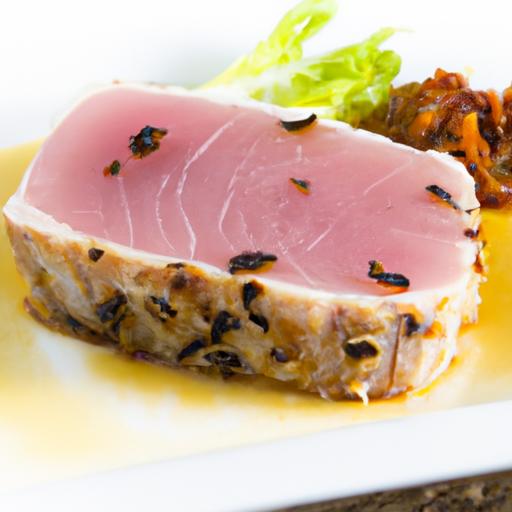

tuna steak-bold, vibrant, and packed with oceanic richness-is a culinary treasure that beckons both novice cooks and seasoned chefs alike. But unlocking its full potential goes beyond simply searing fish on a grill or stove. from selecting the freshest cut to mastering the delicate balance of seasoning and cooking time, there’s a world of flavor waiting beneath that deep pink flesh. In this article, we dive deep into the secrets of tuna steak: uncovering expert tips, insider techniques, and flavor-enhancing hacks that transform a simple piece of fish into a mouthwatering masterpiece. Whether you crave a perfectly seared exterior or a buttery, melt-in-your-mouth center, prepare to elevate your tuna steak game like never before.
Tuna steak Secrets: Unlocking Flavor and Cooking Tips
Tuna steaks hold a special place in the hearts of seafood aficionados worldwide, prized for their meaty texture and clean, oceanic taste. Unlocking the full potential of this exquisite cut means understanding the nuances of freshness, flavor, and technique. Whether you’re preparing a casual weeknight dinner or a show-stopping centerpiece, harnessing the magic behind a perfectly cooked tuna steak will elevate your culinary skills and delight your taste buds like never before.
Prep and Cook Time
- Preparation: 10 minutes
- Marinating: 20-30 minutes (optional)
- Cooking: 6-8 minutes total
Yield
Serves 2 hearty portions
Difficulty Level
Medium – Ideal for confident home cooks looking to refine their technique
Ingredients
- 2 tuna steaks (6-8 oz each; sashimi-grade for maximum freshness)
- 3 tbsp soy sauce (low sodium preferred)
- 1 tbsp toasted sesame oil
- 1 tbsp freshly grated ginger
- 2 garlic cloves, finely minced
- 1 tbsp honey or agave syrup
- 1 tsp crushed red pepper flakes (optional, for a subtle kick)
- Salt and freshly ground black pepper, to taste
- 2 tbsp neutral oil (canola, grapeseed, or vegetable oil for searing)
- lemon wedges, for serving
- Fresh herbs (such as cilantro or chives), roughly chopped for garnish
Instructions
- Select and Prepare the tuna: Pat your fresh tuna steaks dry with paper towels to remove any excess moisture. This ensures a perfect sear and caramelization. Season lightly with salt and pepper on both sides.
- Whisk the Marinade: In a small bowl, combine soy sauce, toasted sesame oil, grated ginger, minced garlic, honey, and crushed red pepper flakes. Gently whisk until fully incorporated.
- Marinate: Place the tuna steaks in a shallow dish or resealable bag. pour the marinade over the fish,coating evenly. Marinate in the refrigerator for 20-30 minutes. Be cautious not to exceed 30 minutes, as the soy sauce can begin to cure the fish, altering texture and flavor.
- Preheat Your Pan: Heat a heavy-bottomed skillet or cast iron pan over high heat. Add the neutral oil and allow it to shimmer but not smoke. this ensures the perfect hot surface needed for searing.
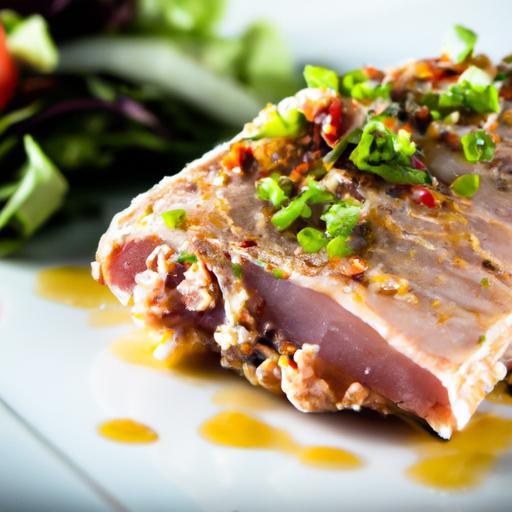
- Sear the Tuna: Remove the tuna steaks from the marinade and let any excess drip off. Carefully place each steak in the hot pan. Sear for 1.5 to 2 minutes per side for rare to medium-rare, depending on thickness. aim for a golden-brown crust while keeping the center tender and juicy.
- Rest the Steaks: Transfer the seared tuna steaks to a plate and tent loosely with foil. Let rest for 3-5 minutes to lock in juices.
- Plate and Garnish: Slice the steaks against the grain into thick slices. Arrange on plates and garnish with fresh herbs and lemon wedges. Drizzle with any remaining marinade reduced on the stove if desired.
Tips for Success
- Freshness is your foundation: Look for tuna steaks that are vibrant pink or deep red with firm flesh and a fresh ocean scent. Avoid any fish that smells overly fishy or appears dull or slimy.
- Marinate mindfully: The key to marinating tuna steaks is subtle infusions – you want to enhance, not overpower. The ginger and sesame oil bring warmth and aroma, while honey balances soy’s saltiness.
- Searing secrets: Don’t overcrowd the pan. Give each steak space to sear evenly and develop a crust. Using a cast iron pan amplifies heat retention and creates a superior sear.
- Customize your doneness: Tuna is best enjoyed rare to medium-rare in the center. Overcooking turns it dry and chalky-aim for a warm pink center.
- Make-ahead tip: You can prepare the marinade up to 24 hours in advance and keep refrigerated. Marinate just before cooking for best results.
creative Serving Suggestions
Bring your tuna steak experience to new heights by pairing it with unexpected elements:
- Asian-inspired Bowls: Serve sliced tuna over a bed of jasmine rice or soba noodles tossed with pickled vegetables and scallions. A drizzle of wasabi mayo or ponzu sauce adds bright zest.
- Salad Elegance: Layer seared tuna atop a crisp bed of arugula, shaved fennel, and avocado, finished with toasted sesame seeds and a citrus vinaigrette.
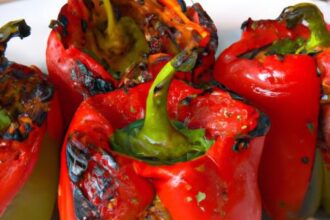
- Rustic Platter: Create a seafood charcuterie board, featuring sliced tuna alongside olives, marinated artichokes, crusty bread, and dollops of avocado crema or roasted pepper coulis.
- Tropical Flair: Complement the rich tuna with a fresh mango salsa or pineapple relish, accented by fresh lime and chili for a burst of color and flavor contrast.
Don’t forget the visual appeal-serve with vibrant garnishes and carefully composed plating that highlights the seared crust and juicy interior of each steak.
| nutrition (per serving) | Amount |
|---|---|
| Calories | 280 kcal |
| protein | 42 g |
| Carbohydrates | 6 g |
| Fat | 8 g |

For more inspiration on seafood preparations, explore our Perfect Seafood Grilling Techniques. To learn about sustainable tuna sourcing and its impact, visit the Marine Stewardship Council.

Q&A
Q&A: Tuna Steak Secrets – Unlocking Flavor and Cooking Tips
Q1: What makes tuna steak different from other fish steaks?
A1: Tuna steak is a powerhouse of meaty texture and robust flavor.Unlike flaky white fish, its dense flesh resembles a juicy beef steak, perfect for grilling or searing. This unique density allows it to hold up well to high heat, creating a beautifully caramelized crust while staying tender inside.
Q2: How do I select the best tuna steak at the market?
A2: Look for vibrant, deep red or pink flesh with a moist sheen-avoid any dull or brownish spots. The steak should smell fresh, like the ocean breeze, never fishy. If possible, opt for sushi-grade tuna for maximum tenderness and safety when serving rare or raw.
Q3: What are the secrets to unlocking deep,rich flavor in tuna steaks?
A3: Marinate with bold,complementary flavors like soy sauce,sesame oil,ginger,and garlic for about 15-30 minutes.Avoid overpowering the fish; the goal is to enhance,not mask. Also,seasoning simply with good salt and freshly cracked black pepper,then finishing with a drizzle of citrus or herb oil post-cook,lets the natural flavor shine.
Q4: Should tuna steak be cooked rare, medium, or well-done?
A4: The magic of tuna steak lies in its rare center – think warm red in the middle. Tuna can quickly dry out or become tough if overcooked. Aim for searing each side for 1-2 minutes until a flavorful crust forms, leaving the inside tender and succulent.
Q5: What cooking methods work best for tuna steak?
A5: high-heat methods like grilling, pan-searing, and broiling are ideal. These techniques create a speedy, flavorful crust without overcooking the interior. Avoid slow cooking or poaching, which can sap the tuna’s vibrant texture and flavor.
Q6: How do I prevent tuna steak from sticking to the grill or pan?
A6: Preheat your grill or pan until very hot and brush both the cooking surface and tuna lightly with oil. This creates a non-stick barrier and encourages a crisp, golden crust to release naturally.
Q7: Can I serve tuna steak raw or partially cooked?
A7: Absolutely! Tuna sushi and sashimi celebrate its raw beauty. For seared tuna, aim to cook just the outside, leaving the center rare. Always ensure your tuna is sushi-grade if serving raw or undercooked to guarantee freshness and safety.
Q8: Any tips for side dishes or finishing touches?
A8: Tuna pairs beautifully with bright, fresh sides like mango salsa, avocado salad, or a zesty chimichurri. Finish your steak with a sprinkle of flaky sea salt, fresh herbs like cilantro or basil, and a squeeze of lime or lemon juice for that final flavor kick.Q9: how should I store leftover tuna steak?
A9: Wrap leftovers tightly and refrigerate promptly, consuming within 1-2 days to maintain freshness. Avoid reheating tuna steak extensively; instead, enjoy it cold in salads or sandwiches to preserve its texture and flavor.
Q10: Any creative twists to try with tuna steak?
A10: Experiment with global flavors: coat tuna in crushed black pepper and coriander for a peppercorn crust, or try a miso glaze for umami depth. For a fresh twist, serve thin slices atop arugula with a drizzle of wasabi vinaigrette. The possibilities are endless when you unlock the secrets to this versatile fish!
Concluding Remarks
As you set down your knife and savor the last bite of that perfectly seared tuna steak, remember: mastering this culinary gem is less about rigid rules and more about embracing the art of balance-between heat and timing, seasoning and simplicity. With these insider secrets in your kitchen arsenal, you’re not just cooking tuna; you’re unlocking layers of flavor that transform a humble steak into a memorable experience. So next time you crave that ocean-fresh delight, let these tips guide your way, and watch as your tuna steaks evolve from everyday meals to unforgettable masterpieces. Happy cooking, and may your flavors always run deep!