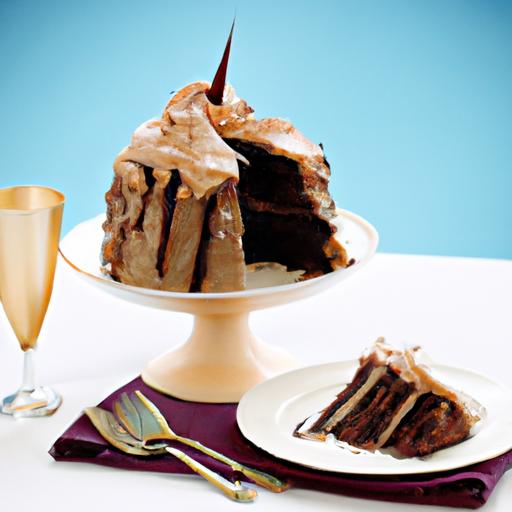

There’s a magical alchemy at work when frost-kissed layers of cake meet luscious swirls of ice cream-transforming simple ingredients into a decadent masterpiece known as the ice cream cake. This cool confection is more than just a delightful dessert; it’s a symphony of science and artistry carefully orchestrated to tantalize our taste buds and ignite our senses. From the delicate dance of sugar crystals to the creamy embrace of frozen dairy, the sweet science behind irresistible ice cream cakes unveils a engaging world where texture, temperature, and chemistry collide. Join us as we scoop beneath the surface and explore what makes this chilly treat a timeless favorite for celebrations and cravings alike.
Flavor harmony in ice cream cakes begins with a delicate dance between contrasting tastes and textures that transform every bite into an unforgettable experience. To truly master this craft, you need to embrace the key principles that elevate simple ingredients into a creamy, layered masterpiece. When each element-from rich vanilla bean ice cream to a crunchy chocolate cookie crust-works in unison, the result is pure indulgence.
Prep and Cook Time
Planning: 30 minutes
Freezing Time: 6 hours (preferably overnight)
Total Time: 6 hours 30 minutes
Yield
Serves 8-10 generous slices
Difficulty Level
Medium – ideal for those comfortable with layering desserts and freezing techniques
Ingredients
- 1 ½ cups chocolate cookie crumbs (e.g., Oreos, finely crushed)
- 6 tbsp unsalted butter, melted
- 1 quart high-quality vanilla bean ice cream, slightly softened
- 1 pint strawberry sorbet or fruit-flavored ice cream, slightly softened
- 1 cup heavy cream
- 3 tbsp powdered sugar
- 1 tsp pure vanilla extract
- ½ cup toasted almond slivers or other crunchy nuts (optional)
- Fresh berries and edible flowers for garnish
Instructions
- Prepare the crust: Combine the chocolate cookie crumbs with melted butter until moistened. Press the mixture firmly into the base of a 9-inch springform pan, creating an even layer. Freeze for 10 minutes to set.
- First layer of ice cream: Spread the softened vanilla bean ice cream evenly over the chilled crust. Use an offset spatula to smooth the surface. Return to the freezer for 1 hour,allowing it to firm up slightly.
- Second layer and texture balance: Gently spoon the strawberry sorbet over the vanilla layer. This fruit-flavored layer not only adds brightness but creates a beautiful textural contrast. Sprinkle the toasted almond slivers evenly over this layer to introduce a subtle crunch.
- Freeze thoroughly: Cover the pan with plastic wrap and freeze for at least 4 hours or preferably overnight to allow the layers to bond perfectly.
- Whipped topping: In a chilled bowl,beat the heavy cream with powdered sugar and vanilla extract until soft peaks form. This luscious layer adds a creamy, light finish that complements the denser ice cream.
- Final assembly: Remove the ice cream cake from the freezer.Carefully spread the whipped cream over the top layer, smoothing the edges for a clean finish.
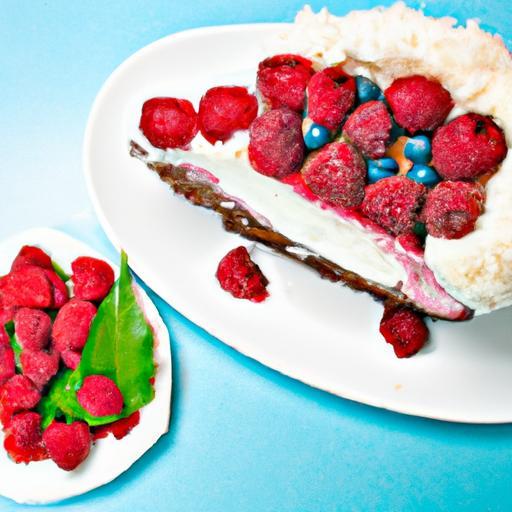
- Chill before serving: Return the cake to the freezer for 30 minutes to set the whipped cream. Remove the sides of the springform pan and decorate the top with fresh berries and edible flowers to create a show-stopping presentation.
- Serving tip: Let the cake sit at room temperature for 5 minutes before slicing to achieve perfectly smooth cuts.
chef’s Notes: Tips for Success
- Flavor Pairings: Experiment with complementary combinations such as chocolate mint, caramel sea salt, or tropical mango layers to tailor your ice cream cake to any occasion.
- Maintaining Texture: Use high-fat ice cream for a creamier mouthfeel, and avoid over-softening which can cause layers to blend undesirably.
- Freezing Technique: Freeze each layer individually for at least 1 hour to prevent mixing and ensure crisp, clean edges between flavors.
- Make-Ahead: Ice cream cakes hold up well for 3-5 days in the freezer when wrapped tightly to avoid freezer burn.
- Substitutions: For a dairy-free version, use coconut milk-based ice cream and whipped topping alternatives; just be sure to check for freezing compatibility.
Serving Suggestions
Present your ice cream cake on a chilled glass platter to keep it firm longer while serving. Garnish with vibrant fresh berries such as raspberries, blueberries, or sliced strawberries. A light drizzle of homemade chocolate ganache or fruit coulis elegantly ties the layers together visually and flavor-wise. For added flair, sprinkle edible gold dust or finely chopped pistachios to captivate the eye and palate alike.
| Nutrient | Per Serving (Approx.) |
|---|---|
| calories | 320 |
| Protein | 5g |
| Carbohydrates | 35g |
| Fat | 18g |

For further inspiration on balancing sweet and savory elements within desserts, check out our Ultimate Guide to Dessert flavor Combinations. Additionally, discover the science behind freezing techniques at Serious Eats.


Q&A
Q&A: The Sweet Science Behind Irresistible Ice Cream Cakes
Q1: What exactly makes an ice cream cake so irresistible?
A1: It’s all about the harmony of temperature,texture,and flavor.Ice cream cakes combine the creamy chill of frozen ice cream with the soft, often spongy layers of cake, creating a delightful contrast that activates multiple senses simultaneously. The cold temperature numbs the palate just enough to enhance sweetness without overwhelming it, while the varying textures keep each bite exciting.
Q2: How do bakers ensure the cake layers don’t become soggy when paired with ice cream?
A2: The secret lies in the interplay between moisture control and freezing technique. Cake layers are frequently enough soaked lightly with syrups or left dense to resist sogginess. Simultaneously occurring, assembling the cake at cold temperatures and freezing it promptly prevents the ice cream from melting into the cake, maintaining structural integrity and texture balance.
Q3: Why is it significant to let an ice cream cake thaw before serving?
A3: Patience is a flavorful virtue! Allowing the cake to soften slightly (about 10-15 minutes at room temperature) lets the ice cream soften enough to release it’s full flavor and creamy texture. This makes cutting cleaner and the eating experience smoother, creating that melt-in-your-mouth magic.
Q4: What role do flavors play in the science of ice cream cakes?
A4: Flavor layering is crucial. Combining complementary or contrasting flavors-like rich chocolate cake with refreshing mint ice cream-creates depth and excitement. Flavor compounds can also interact differently at cold temperatures, sometimes amplifying or muting sweetness and aromatics, so recipe developers carefully balance each element to maximize taste impact.
Q5: Can the freezing process impact the texture of ice cream cakes?
A5: Absolutely! Slow freezing can create large ice crystals, leading to a grainy texture, while rapid freezing keeps ice crystals small and the ice cream smooth. Proper freezing techniques preserve the velvety texture of the ice cream while allowing the cake to maintain a tender crumb, making every bite a perfect symphony of creaminess and softness.
Q6: How does the science of emulsification influence ice cream cake texture?
A6: Emulsifiers help blend fat and water in the ice cream, creating a stable, creamy base. This smoothness is essential because it prevents the ice cream from becoming icy when frozen inside the cake. A well-emulsified ice cream melts smoothly in your mouth and contrasts beautifully with the sponge or cookie layers.
Q7: Are there any tricks to decorating ice cream cakes that utilize food science?
A7: Yes! using stabilized whipped cream or buttercream frostings that hold up in the freezer is key. Some decorators incorporate edible gels or glazes that stay glossy and vibrant at low temperatures. Additionally, controlling humidity during decoration prevents condensation, which can ruin delicate surface designs once the cake is frozen or thawed.
Q8: why do we often see ice cream cakes with cookie or brownie layers instead of traditional cake?
A8: Denser bases like cookies or brownies are less prone to sogginess and provide a delightful crunch that contrasts with the soft ice cream. Their structural sturdiness supports the layered ice cream,making the cake easier to slice and eat,and adding exciting texture variation that tickles the taste buds.
Q9: How has modern technology influenced the creation of ice cream cakes?
A9: Advances in freezing technology and food science have revolutionized ice cream cakes. blast freezers, precise temperature controls, and improved emulsifiers allow for better texture and flavor retention. Additionally, innovations in packaging and stabilization extend shelf life, making gourmet-quality ice cream cakes available year-round.
Q10: What’s the future of ice cream cakes in terms of flavor and science?
A10: The future looks deliciously inventive! Expect to see more plant-based alternatives, innovative flavor mashups guided by molecular gastronomy, and smart freezing methods that enhance texture and freshness. Scientific understanding will continue to push the boundaries, crafting ice cream cakes that not only satisfy cravings but also surprise and delight with every bite.
In Retrospect
As the final scoop melts into memory, it’s clear that the allure of ice cream cakes goes far beyond their delightful taste. They are a masterful blend of chemistry and artistry-a party of texture, temperature, and flavor dancing in perfect harmony.Whether layered with creamy swirls, studded with crunchy delights, or crowned with delicate frostings, each ice cream cake is a testament to the sweet science that makes indulgence irresistible.So next time you savor a slice, remember: you’re not just enjoying a dessert-you’re experiencing a magical fusion of culinary innovation and pure delight.