

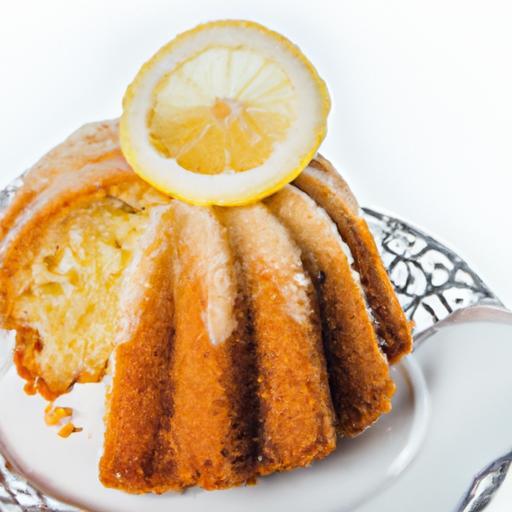
Bright, tangy, and irresistibly moist, the perfect lemon cake is more than just a dessert-itS a harmonious dance between science and art. “Zesty Delight: The Science and Art of Perfect Lemon Cake” peels back the layers of this citrusy classic to reveal how precise chemistry mingles with creative flair to produce that ideal balance of sweetness and zing. From the molecular magic of lemon’s vibrant acidity to the delicate crumb that melts on your tongue, this article explores the secrets behind crafting a lemon cake that delights not only the palate but also the senses. Whether you’re a curious baker or a devoted dessert lover, get ready to unlock the zesty alchemy that turns simple ingredients into a slice of luminous bliss.
Zesty Delight begins with understanding how the perfect marriage of citrus brightness and tender crumb creates an unforgettable lemon cake experience. This vibrant dessert owes it’s charm to the delicate dance between acidic lemon juice and sugar, which not only heightens flavor but also enhances the cake’s moist texture. As the lemon’s natural acidity interacts with baking soda or powder,it triggers a chemical reaction that produces carbon dioxide bubbles,helping the batter rise and resulting in a soft,airy crumb. Balancing sweetness with tang ensures every bite is lively without overpowering, inviting both citrus lovers and dessert novices to indulge.
Prep and Cook Time
- Readiness: 20 minutes
- Baking: 40 minutes
- Total: 1 hour
Yield
Serves 8-10 generous slices
Difficulty Level
Medium – Ideal for bakers with some experience aiming to elevate their citrus desserts.
Ingredients
- 1 ½ cups all-purpose flour, sifted
- 1 teaspoon baking powder
- ½ teaspoon baking soda
- ½ teaspoon fine sea salt
- ½ cup unsalted butter, softened
- 1 cup granulated sugar
- 2 large eggs, at room temperature
- ¾ cup buttermilk, shaken
- 2 tablespoons freshly grated lemon zest
- ¼ cup fresh lemon juice
- 1 teaspoon pure vanilla extract
Instructions
- Preheat your oven to 350°F (175°C). Grease and flour an 8-inch round cake pan to prevent sticking and ensure easy release.
- Whisk together the flour, baking powder, baking soda, and salt in a medium bowl. The correct ratio ensures even rise and crumb texture.
- Cream the softened butter and sugar in a large bowl using an electric mixer at medium speed until pale and fluffy-about 3 to 4 minutes. This aeration step is crucial for volume.
- Add eggs one at a time, fully incorporating each before adding the next. Then mix in the lemon zest and vanilla extract. These bring bright aromas and depth.
- Combine the dry and wet ingredients alternately with the buttermilk, beginning and ending with dry. Mix gently to avoid overworking the batter, which can toughen the crumb.
- Fold in the fresh lemon juice last, dispersing the acid evenly to help tenderize the batter without deflating it.
- Pour the batter into the prepared pan and smooth the top with a spatula. Tap the pan lightly on the counter to release any trapped air bubbles.
- Bake for 38-42 minutes or until a toothpick inserted in the center comes out clean. The edges should pull slightly away from the sides,signaling doneness.
- Cool the cake in the pan for 10 minutes before transferring it to a wire rack to cool entirely-ideal for glazing.
Crafting the Ideal Lemon Glaze for Visual and Flavor Impact
The glaze is the final flourish-a translucent drizzle that elevates both shine and tang. Combine 1 cup powdered sugar with 2 tablespoons fresh lemon juice (adjust to desired consistency),whisking until smooth. for added sophistication, stir in a teaspoon of lemon zest or a drop of vanilla extract. Once the cake is completely cooled, pour the glaze over the top, allowing it to cascade gently down the sides. This finishing touch intensifies citrus aroma and imparts an irresistible glossy sheen,tempting even the most disciplined sweet tooth.
expert Tips for Baking and Storing Your ultimate Lemon Cake
- Use fresh lemons: The zest and juice from fresh lemons create brighter, more vibrant flavors compared to bottled juice.
- Room temperature ingredients: Ensures even mixing and a tender crumb.
- Don’t overmix: Stir until just combined to avoid a dense cake.
- Glaze timing: Always apply glaze to a cool cake to prevent melting and sogginess.
- Storing: Store leftovers wrapped tightly in plastic wrap at room temperature for up to 3 days, or refrigerate for up to 5 days. Bring to room temperature before serving for the best texture.
- Freezing: Wrap the unglazed cooled cake in plastic wrap and aluminum foil; freeze for up to 2 months. Thaw overnight in the refrigerator before glazing and serving.
Serving suggestions
Present your lemon cake on a delicate white porcelain platter adorned with fresh lemon slices and a sprinkle of finely chopped candied ginger or edible flowers for a burst of color.Pair with a dollop of lightly whipped cream or a scoop of vanilla bean ice cream to mellow the citrus brightness and add luscious creaminess. For an extra dash of zest, garnish with finely chopped pistachios or fresh mint leaves.

| Nutrient | Per Serving |
|---|---|
| Calories | 310 kcal |
| Protein | 4g |
| carbohydrates | 42g |
| Fat | 14g |
For more citrus-inspired desserts, explore our collection of bright and sunny treats. to deepen your understanding of baking chemistry, visit Britannica’s Food Science resource for expert insights.
Q&A
Q&A: Zesty Delight – The Science and Art of Perfect Lemon Cake
Q1: What makes a lemon cake truly “zesty” and delightful?
A1: The magic of a zesty lemon cake lies in the perfect harmony between tartness and sweetness. it’s all about capturing the vibrant,aromatic oils from fresh lemon zest and balancing them with just enough sugar to highlight-not mask-the citrus punch. This interplay awakens your taste buds and delivers that signature zing that makes lemon cake unforgettable.
Q2: Why use lemon zest instead of just lemon juice?
A2: Lemon zest contains essential oils that are packed with intense citrus flavor and fragrance, far beyond what lemon juice alone can offer. While juice adds acidity and moisture, zest delivers aromatic complexity, giving the cake its bright, fresh personality. Using both ensures your cake is flavorful, moist, and fragrant.
Q3: How does acidity affect the texture of lemon cake?
A3: The acidic nature of lemon juice interacts with baking soda or baking powder to create carbon dioxide bubbles that help the cake rise, resulting in a light, tender crumb. Additionally, acid tenderizes the gluten in flour, which keeps the cake soft and moist rather than tough or dense.
Q4: What’s the secret to balancing tartness and sweetness in lemon cake?
A4: Achieving balance starts with the quality and quantity of ingredients. Using fresh lemons ensures vibrant flavor, while gradually adjusting sugar allows you to dial in the perfect sweetness that complements the tartness without overpowering it.A touch of buttermilk or yogurt can also round out the acidity with subtle creaminess.
Q5: Can lemon cake be made without eggs?
A5: Absolutely! While eggs traditionally provide structure and moisture, substitutes like applesauce, yogurt, or flaxseed “eggs” can work in lemon cake recipes. The key is to maintain the cake’s tender crumb and moisture, so experimenting with different egg alternatives and slightly tweaking baking times might be necessary.
Q6: How crucial is the choice of flour in making the perfect lemon cake?
A6: Flour choice affects texture significantly. All-purpose flour is versatile and yields a sturdy crumb, while cake flour-lighter and lower in protein-produces a softer, finer crumb ideal for delicate lemon cakes. Some bakers combine both to balance structure and tenderness.


Q7: What is the artistic element in lemon cake baking?
A7: Beyond science, the art of lemon cake lies in layering flavors and presentation. Infusing syrups, incorporating lemon curd swirls, or glazing with a shiny lemon glaze elevates both taste and visual appeal. Decorating with candied lemon slices or fresh herbs like thyme also adds a complex touch that delights not just the palate, but the eyes.
Q8: How can one prevent lemon cake from drying out?
A8: Moisture retention is key! Incorporating ingredients like sour cream, yogurt, or oil helps maintain softness. Also, avoid overbaking by checking the cake a few minutes before the recommended time. Wrapping leftovers tightly or storing in an airtight container preserves freshness and that zesty moisture.
Q9: Is it possible to infuse other flavors into lemon cake without overpowering the lemon?
A9: Yes! Complementary flavors such as lavender, rosemary, ginger, or even almond can be gently infused to enhance lemon’s brightness. The trick is subtlety-using small amounts so the lemon remains the star while the added notes create an inviting complexity.
Q10: Why does lemon cake often evoke feelings of nostalgia and comfort?
A10: Lemon cake’s sunny flavor is reminiscent of warm kitchens, family gatherings, and carefree summer days.Its balance of sweet and tart mimics the emotional bittersweetness of cherished memories. The sensory pleasure of its vibrant aroma and tender crumb creates an experience that’s both comforting and uplifting-a true zesty delight.
Final Thoughts
As the final crumb of a perfectly baked lemon cake melts on your tongue, you’re reminded that this zesty delight is more than just a dessert-it’s a harmonious blend of science and art. every tangy burst of citrus, every tender crumb, and every golden crust is the result of precise chemistry and creative intuition working hand in hand. Whether you’re a seasoned baker or a curious enthusiast, understanding the delicate balance of ingredients and techniques opens the door to endless variations of this classic treat. So, next time you slice into a lemon cake, savor not just the flavor but the story baked into every bite-a story of passion, precision, and the timeless magic of turning simple ingredients into something truly remarkable.