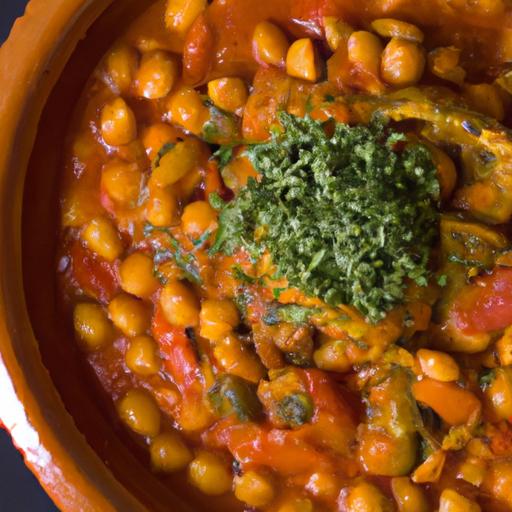

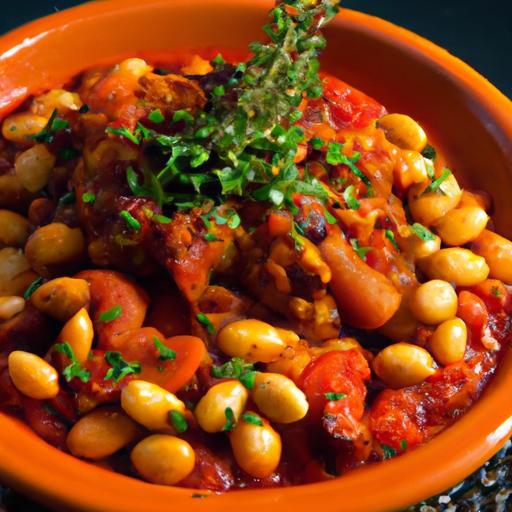
In the bustling markets of Marrakech and the sun-drenched courtyards of Fez, a culinary tradition simmers slowly beneath an unassuming clay lid. The tagine – both a vessel and a method – is more than just cookware; it is indeed a symbol of Morocco’s rich cultural tapestry, where fragrant spices mingle with tender meats and vibrant vegetables in a harmonious dance of flavors. “Tagine Treasures: Exploring Morocco’s iconic Clay Pot Cooking” invites you on a sensory journey into the heart of Moroccan cuisine, uncovering the secrets behind this ancient art form that transforms simple ingredients into unforgettable feasts. From the earthen pot’s humble origins to the intricate recipes that have been passed down through generations,discover how the tagine continues to enchant palates and tell stories of tradition,family,and celebration.
Tagine Treasures: Exploring Morocco’s Iconic Clay Pot Cooking
Tagine treasures unlock a doorway to Morocco’s culinary heart, where fragrant spices, vibrant colors, and tender slow-cooked meats harmonize in a uniquely shaped clay pot. This timeless Moroccan dish, simmered gently beneath a conical lid, infuses every bite with soulful warmth and ancient tradition. Whether you’re drawn by it’s intoxicating aromas or the story steeped in Berber and Arab heritage, delving into tagine treasures promises a journey that elevates both palate and spirit.
Prep and Cook Time
- Preparation: 20 minutes
- cooking: 1 hour 15 minutes
- Total Time: 1 hour 35 minutes
Yield
Serves 4 generous portions
Difficulty Level
Medium - perfect for adventurous home cooks eager to master conventional techniques
Ingredients
- 2 lbs lamb shoulder,trimmed and cut into 2-inch chunks
- 2 tbsp olive oil
- 1 large onion,finely sliced
- 3 cloves garlic,minced
- 1 tsp ground ginger
- 1 tsp ground cumin
- 1 tsp sweet paprika
- ½ tsp ground cinnamon
- ½ tsp turmeric powder
- Salt and freshly ground black pepper,to taste
- 1 cup chicken or vegetable broth
- 1 preserved lemon,pulp removed,rind rinsed and thinly sliced
- ½ cup green olives,pitted
- Fresh cilantro and chopped parsley,for garnish
Instructions
- Heat olive oil in your tagine or heavy-bottomed pot over medium heat. Add the lamb chunks and sear until golden brown on all sides, about 5-7 minutes. Remove and set aside.
- Sauté the onion and garlic in the same pot, stirring frequently enough until soft and translucent, about 5 minutes.This builds the base flavor for your tagine treasures.
- add ground ginger, cumin, paprika, cinnamon, and turmeric to the onions. Stir well and cook the spices for 1-2 minutes until fragrant-this step awakens the spices’ rich essences.
- Return the lamb to the pot and season generously with salt and black pepper. Pour in the broth, scraping the bottom to deglaze any flavorful browned bits.
- Place sliced preserved lemon and olives evenly around the meat. Cover with the tagine lid or pot lid, reduce heat to low, and let simmer gently for 1 hour to 1 hour 15 minutes, until the lamb is meltingly tender.
Tip: Occasionally tilt the lid slightly to check moisture levels and prevent drying. - Once cooked, sprinkle with chopped cilantro and parsley before serving for a fresh and aromatic finish.
Tips for Success
- Use bone-in lamb or chicken for added depth of flavor and succulent texture.
- If you don’t have a tagine pot, a Dutch oven with a tight-fitting lid makes a perfect substitute.
- Preserved lemons are essential here-they add an irresistible tang and authentic punch. Substitute with zest of 1 lemon + 1 tbsp lemon juice if unavailable.
- For vegetarian tagine treasures,replace meat with hearty root vegetables and chickpeas,allowing an extra 20 minutes’ simmering time.
- Tagines taste even better the next day, making them ideal for make-ahead meals.
serving Suggestions
Serve your tagine treasures steaming alongside fluffy couscous or crusty Moroccan bread to soak up every drop of the fragrant sauce. Garnish with fresh herbs and a sprinkle of toasted almonds or preserved lemon zest to add texture and a bright, citrusy snap. Pair with a chilled glass of Moroccan mint tea or a light red wine like a Grenache for an authentic dining experience.

Nutritional Details (Per Serving)
| Calories | Protein | Carbs | Fat |
|---|---|---|---|
| 450 kcal | 38 g | 12 g | 25 g |
For more on the cultural heritage of Moroccan cooking and other traditional recipes, explore our Moroccan couscous Recipes.To deepen your understanding of North African spice blends, check out this Britannica guide to spices.

Q&A
Q&A: Tagine Treasures – Exploring Morocco’s Iconic Clay Pot Cooking
Q: What exactly is a tagine?
A: At its heart, a tagine is both a dish and the iconic vessel in which it’s prepared. The tagine pot is a conical,earthenware cooking container designed to slow-cook stews and braises,locking in moisture and intensifying flavors. Its unique lid shape promotes condensation that continually bastes the food, creating tender, aromatic meals that are steeped in history.
Q: Where does the tagine originate from?
A: The tagine has roots deep in Morocco,woven into Berber culinary traditions for centuries. While slow-cooked stews exist in many cultures, the tagine pot’s distinctive design and cooking method are a Moroccan treasure, reflecting the region’s climate, ingredients, and social rituals.
Q: What makes tagine cooking so special compared to other methods?
A: Tagine cooking is an alchemy of time, temperature, and terroir. Unlike fast stovetop meals, tagines slowly mingle spices, meats, fruits, and vegetables, coaxing complex flavors and tender textures. The clay pot’s gentle heat diffuses evenly, and the conical lid traps steam, turning every bite into a layered sensory experience-rich, fragrant, and soulful.
Q: What are some classic ingredients used in moroccan tagines?
A: Moroccan tagines celebrate a vibrant palette: tender lamb or chicken, earthy root vegetables, sweet dried fruits like apricots or prunes, nuts, preserved lemons, olives, and a fragrant bouquet of spices such as cinnamon, cumin, saffron, ginger, and coriander. These combine to create a harmony of sweet, savory, and spicy notes that dance on the palate.
Q: How does the tagine pot influence the flavor of the dish?
A: The porous clay absorbs and slowly releases heat, allowing flavors to deepen gradually. As steam rises to the top and condenses, it drips back down, basting the ingredients continuously. This cycle prevents dryness and melds spices and ingredients into a cohesive symphony of taste that’s hard to replicate in conventional cookware.
Q: Can tagines be used on any stove or in the oven?
A: Traditionally, tagines are cooked over a low flame or in hot coals.Modern tagine pots, often glazed, can be used on gas stoves with a diffuser or in ovens, adding versatility. However, it’s vital to avoid sudden temperature changes to prevent cracking the clay. Slow and steady is the tagine’s mantra.
Q: Is tagine cooking healthy?
A: Absolutely! Tagines rely on slow cooking with minimal added fats, preserving the nutrients in fresh ingredients. The gentle steam-braising technique reduces the need for excessive oils or salt. Plus, with its emphasis on vegetables, fruits, lean meats, and spices, tagine meals are a flavorful route to wholesome eating.
Q: How has tagine cooking influenced Moroccan culture?
A: The tagine is more than a cooking method-it’s a communal experience. Sharing tagine dishes means gathering around the pot, breaking bread with family and friends, and savoring time-honored recipes passed down through generations. It embodies hospitality, tradition, and the art of savoring life’s rich flavors.
Q: Can beginners try making tagine dishes at home?
A: Absolutely! While true tagine cooking is an art, beginners can start with simple recipes using accessible ingredients and an oven-friendly tagine or heavy pot.Patience is key-slow simmering is the secret to unlocking the dish’s magic. Each attempt brings you closer to capturing the essence of morocco’s culinary soul.
Q: Where can one find authentic tagine pottery and spices?
A: Authentic tagine pots can be discovered at Moroccan markets, specialty kitchen stores, or online retailers that feature traditional North African cookware. Likewise, Moroccan spice blends, such as ras el hanout, and preserved lemons are increasingly available in global food stores, making it easier than ever to bring tagine treasures into your kitchen.
exploring tagine cooking is like stepping into a fragrant, sun-drenched Moroccan courtyard-each dish tells a story, each bite is an invitation to savor history, culture, and the magic of clay pot alchemy. Ready to unlock your own tagine treasure?
In Retrospect
As the afternoon sun dips low over Morocco’s vibrant souks and ancient medinas, the unmistakable aroma of spices simmering in earthenware fills the air-an olfactory invitation to discover the magic of the tagine. This humble clay pot, steeped in centuries of tradition, is more than just a cooking vessel; it is a storyteller of culture, history, and communal warmth. Exploring the treasures hidden within its conical lid reveals a culinary journey that transcends mere sustenance, offering a taste of Morocco’s soul in every tender bite. Whether you’re a seasoned food lover or a curious traveler, embracing tagine cooking opens a gateway to savoring the rich mosaic of Moroccan flavors-an experience as timeless and enchanting as the land itself.