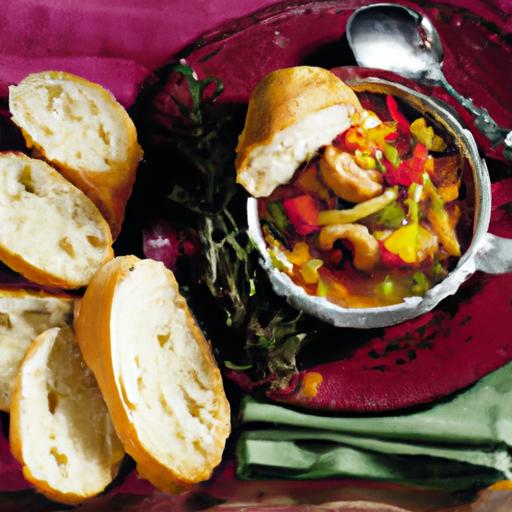
Minestrone Magic begins with humble roots deep in Italy’s culinary tapestry, where this classic soup has long captured the hearts and tables of homes from Lombardy to Sicily. Its charm lies in versatility-seasonal vegetables, fragrant herbs, and a soul-warming broth combine to create a dish that feels rustic yet refined, nourishing yet comforting.Over generations,regional twists have transformed minestrone from a simple peasant meal into an emblem of Italian tradition and creativity,inviting every cook to bring their personal touch to the pot.
The Origins and Regional Twists of Minestrone Magic
Minestrone’s name, deriving from the Italian “minestra” meaning “soup,” hints at a base so adaptable it reflects the bounty of local markets and gardens. The northern regions favor heartier beans and root vegetables, sometimes enriched with hearty rice or small pasta shapes like ditalini. Simultaneously occurring, southern Italy’s coastal influence brings vibrant tomatoes, fresh zucchini, and aromatic basil to the forefront, lending brightness and zest. In Tuscany, the addition of kale or cavolo nero elevates the soup with earthy, green notes, while Liguria’s version might subtly infuse pesto for a fragrant finish.This soup invites you to explore Italy through its landscapes and seasons, each spoonful a reminder of homegrown freshness and culinary heritage.
Prep and Cook Time
- Prep Time: 25 minutes
- Cook Time: 45 minutes
- total Time: 1 hour 10 minutes
Yield
Serves 6 generous bowls
Difficulty Level
Medium – approachable for home cooks with basic knife skills and attention to layering flavors.
Key Ingredients That Bring Minestrone Magic to Life
- 2 tablespoons extra-virgin olive oil – unforged gold for sautéing and flavor complexity
- 1 medium onion, finely chopped
- 2 cloves garlic, minced – a gentle punch of aromatic warmth
- 2 medium carrots, diced – adding sweet earthiness
- 2 celery stalks, diced – fresh crunch and subtle bitterness
- 1 medium zucchini, diced – tender texture and garden freshness
- 1 cup diced tomatoes (fresh or canned, preferably San Marzano) – rich umami and acidity
- 1 cup cooked cannellini beans – creamy protein and hearty substance
- 4 cups vegetable broth (homemade or low-sodium) – the heart of warmth and depth
- 1 cup small pasta shapes (ditalini or elbow macaroni)
- 1 teaspoon dried oregano – traditional herbaceous layer
- 1 bay leaf – subtle, complex undertone
- Salt and freshly ground black pepper to taste
- Fresh basil or parsley leaves for garnish
- Grated Parmesan cheese (optional, for topping)
Crafting the Perfect Broth for Depth and Warmth
Creating an enchanting broth is where Minestrone Magic truly unfolds. Begin by gently sweating the mirepoix-onion, carrot, and celery-in extra-virgin olive oil until translucent, which unlocks their natural sweetness without browning. Add garlic just before the next step to avoid bitterness, stirring until fragrant. Pour in a well-balanced vegetable broth, rich with simmered herbs or even a subtle touch of mushrooms for umami depth. The broth acts as the canvas, inviting the medley of vegetables, beans, and pasta to marry in harmony. Cooking gently allows these flavors to layer and deepen, truly elevating the soulfulness of the soup.
Instructions
- Heat the olive oil in a large heavy-bottomed pot over medium heat.
- Add the chopped onion, carrot, and celery and sauté for 7-8 minutes until softened and translucent, stirring occasionally to prevent sticking.
- stir in the minced garlic and cook for 1 minute until fragrant but not browned.
- Add the diced zucchini and tomatoes, and sauté for another 5 minutes, gently stirring to integrate the ingredients.
- Pour in the vegetable broth, add the dried oregano and bay leaf, then bring the mixture to a gentle boil.
- Reduce heat to a simmer and cook for 20 minutes, allowing the flavors to meld and the vegetables to soften.
- stir in the cooked cannellini beans and pasta, cooking for an additional 10 minutes or until the pasta is al dente.
- Season with salt and freshly ground black pepper to taste, remove the bay leaf before serving.
- Ladle the soup into warm bowls and garnish with fresh basil or parsley and an optional sprinkle of grated Parmesan cheese for finishing richness.
Chef’s Notes and Tips for Success
- Vegetable Variations: feel free to swap zucchini with diced potatoes or butternut squash for a richer, autumnal twist.
- Beans: Cannellini are classic, but chickpeas or borlotti beans make flavorful alternatives.
- Pasta Choice: Small pasta types like ditalini prevent overwhelming the soup while delivering tender bites; gluten-free pasta works perfectly to.
- Make-Ahead: Minestrone Magic tastes even better the next day as flavors deepen. Store soup and pasta separately if possible to avoid mushiness.
- Broth Boost: For deeper layers, add a splash of white wine during the sauté step, allowing it to reduce before adding broth.
Serving Suggestions and Pairing Minestrone Magic with Italian Classics
This robust soup shines accompanied by crusty Italian bread, perfect for sopping up every flavorful drop. A drizzle of good-quality extra-virgin olive oil or a small spoonful of pesto elevates the bowl further, adding fragrant complexity. Pair Minestrone Magic with a crisp green salad dressed in lemon vinaigrette for balance, or serve alongside a plate of creamy risotto or a light Caprese salad for a full Italian feast experience. A chilled glass of Verdicchio or a light Chianti provides the ideal wine companion, cutting through the soup’s richness and enhancing its herbaceous notes.

| Nutrient | Per Serving |
|---|---|
| Calories | 210 kcal |
| Protein | 9 g |
| carbohydrates | 32 g |
| Fat | 5 g |
For a deeper dive into Italian soups, check out our Complete Italian Soups Guide.To explore the rich history of Italian cuisine, visit Italy Magazine’s Minestrone Overview.
Q&A
Q&A: Minestrone Magic – A Hearty Journey Through Italy’s Classic Soup
Q1: What exactly is minestrone, and why is it considered a classic Italian soup?
A: Minestrone is a thick, hearty soup bursting with a colorful medley of vegetables, beans, pasta or rice, and often a savory broth.Its roots run deep in Italian culinary tradition, where it has been a beloved staple for centuries. This “soup of many things” embodies the rustic, resourceful spirit of Italy’s regional kitchens, offering nourishment, warmth, and a taste of the land’s bounty in every spoonful.
Q2: How did minestrone get its name, and what dose it signify?
A: The name “minestrone” comes from the Italian word minestra, meaning “soup,” with the augmentative suffix -one indicating something big or hearty. Simply put,it means “big soup” – an apt description for a dish that is as filling as it is flavorful,often serving as a complete meal all on its own.Q3: What are the core ingredients that make up an authentic minestrone?
A: While minestrone is celebrated for its flexibility, some ingredients are quintessential: seasonal vegetables like carrots, celery, zucchini, and tomatoes; beans (cannellini or borlotti); hearty greens such as spinach or kale; aromatic herbs like basil and rosemary; and small pasta or rice to add satisfying texture. These elements combine with a fragrant vegetable or meat broth to create a symphony of flavors.
Q4: How does minestrone vary across different Italian regions?
A: Minestrone is a canvas for local ingredients and seasons. In Liguria,it takes on a pesto twist; in Tuscany,you might find it enriched with cavolo nero (black kale),chestnuts,and rustic beans. Southern Italy might highlight tomatoes and peppers, while Northern versions often include parsnips or potatoes. These regional variations tell stories of place,climate,and history,making each bowl a unique culinary adventure.
Q5: What makes minestrone so versatile and enduring in Italian culture?
A: Its versatility stems from being a hearty yet adaptable dish – perfect for using whatever’s fresh or leftover. minestrone is economical,nutritious,and comforting,which helped it endure through times of scarcity and prosperity alike. It’s a soup that welcomes improvisation, reflects seasonality, and invites family and friends to gather around the table, savoring simplicity and abundance alike.
Q6: can minestrone be made vegetarian or vegan without sacrificing flavor?
A: Absolutely! Minestrone shines as a vegetarian or vegan dish, relying on rich vegetable broth and the natural sweetness and earthiness of beans and veggies to deliver deep, satisfying flavor. A drizzle of good olive oil, a sprinkle of fresh herbs, and a squeeze of lemon can elevate it to pure magic, proving that hearty doesn’t have to mean heavy.Q7: How can home cooks bring a little “minestrone magic” into their kitchens?
A: Start with fresh, seasonal produce, simmer yoru soup slowly to coax out layers of flavor, and remember that patience is key. Don’t be afraid to experiment with different beans, greens, or grains.Finish with a sprinkle of Parmesan or a touch of chili flakes for complexity, and serve with crusty bread to soak up every last drop. Above all, make it your own – that’s the true Italian secret behind minestrone’s timeless appeal.
Whether serving as a humble lunch or a celebratory meal, minestrone invites you to taste the heart of italy, one nourishing bowl at a time. Buon appetito!
Concluding remarks
As the final spoonful of minestrone warms both palate and spirit, we recognize that this humble soup is more than just a blend of beans, veggies, and herbs-it’s a vibrant tapestry woven from Italy’s culinary heritage.Each region adds its own twist, each season offers a new ingredient, and every pot tells a story of home, tradition, and comfort.Whether savored in a bustling trattoria or a quiet kitchen nook, minestrone invites us to savor the magic of simplicity, nourishing not only our bodies but also our connection to a timeless, hearty journey through Italy’s soul. So next time you ladle out a bowl, remember: you’re tasting a legacy steeped in warmth, community, and endless appetizing possibilities. Buon appetito!
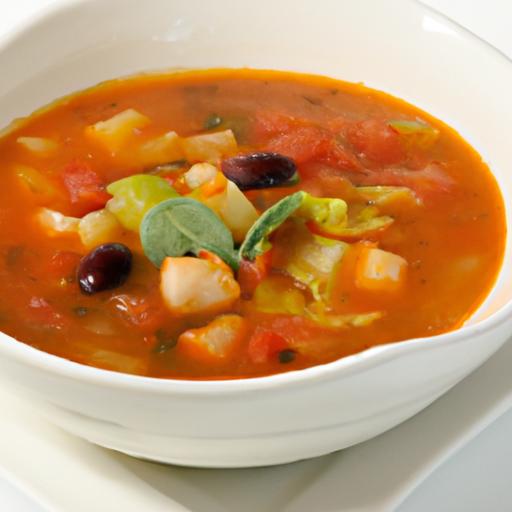
Minestrone Magic enchants with its rich history and heartwarming flavors, inviting cooks to explore Italy’s diverse culinary landscape through a humble bowl of soup. Originating from ancient Roman times as a simple vegetable stew, minestrone has evolved across Italian regions-each adding its own signature touch, from pesto-infused Ligurian versions to hearty Tuscan renditions loaded with beans and kale. This soup is a vibrant canvas of fresh, seasonal ingredients and bold, soulful broths that celebrate the art of rustic cooking while allowing endless customization.
Prep and Cook Time
- Preparation: 20 minutes
- Cooking: 45 minutes
- Total Time: 1 hour 5 minutes
Yield
- Serves 6 hearty portions
Difficulty Level
- Medium – great for cooks pleasant with knives and slow simmering
Ingredients
- 3 tbsp extra-virgin olive oil
- 1 large onion, finely diced
- 2 cloves garlic, minced
- 2 medium carrots, diced
- 2 celery stalks, diced
- 1 medium zucchini, diced
- 1 medium potato, peeled and cubed
- 1 cup green beans, chopped
- 1 (14 oz) can diced tomatoes, with juice
- 1 cup canned cannellini beans, drained and rinsed
- 6 cups vegetable stock (preferably homemade or low sodium)
- 1/2 cup small pasta shapes (ditalini or elbow macaroni)
- 2 tbsp chopped fresh parsley
- 1 tbsp fresh basil, chiffonade
- Salt and freshly ground black pepper, to taste
- Grated Parmesan cheese, for serving
Instructions
- Heat the olive oil in a large, heavy-bottomed pot over medium heat. Add the onion, garlic, carrots, and celery, sautéing until the vegetables soften and the onion becomes translucent, about 7 minutes.
- Stir in the zucchini, potato, and green beans, and cook for another 5 minutes to develop a fragrant, tender base.
- pour in the diced tomatoes with their juice, stirring well to combine all the flavors. Allow this to simmer gently for 5 minutes.
- Pour in the vegetable stock, bring the mixture to a boil, then reduce the heat to low and let it simmer uncovered for 30 minutes. This slow simmer draws out depth and warmth from every ingredient.
- Add the drained cannellini beans and pasta shapes. Simmer uncovered for an additional 10 minutes, or until the pasta is al dente, stirring occasionally to prevent sticking.
- Season generously with salt and pepper. Just before serving, stir in fresh parsley and basil for a burst of herbal brightness.
- Ladle into bowls and sprinkle with freshly grated Parmesan cheese. Serve immediately for ultimate warmth and comfort.
Chef’s Notes
- For a more robust broth,roast your vegetables before adding the stock to deepen flavors.
- Seasonal substitutions: Winter calls for incorporating kale or Swiss chard, while summer invites tender peas and fresh corn kernels.
- To keep it gluten-free, use gluten-free pasta or omit it entirely, serving the soup with crusty gluten-free bread.
- For a protein boost, add diced pancetta early on or stir in cooked chicken pieces at the final stage.
- Minestrone tastes even better the next day-store leftovers in the fridge and reheat gently,adding a splash of broth if thickened.
Serving Suggestions
Present the soup in rustic ceramic bowls, drizzled with a little extra virgin olive oil and topped with a fragrant sprig of fresh basil.Accompany with toasted sourdough or focaccia for dipping. For a festive touch, scatter a few toasted pine nuts or a swirl of pesto on top to elevate each ladle.

| Nutrient | Per Serving |
|---|---|
| Calories | 210 kcal |
| Protein | 8 g |
| Carbohydrates | 32 g |
| Fat | 6 g |
the art of Minestrone Magic: Crafting the Perfect Broth for Depth and Warmth
Achieving a broth teeming with flavor is central to mastering Minestrone Magic. Begin with a rich vegetable stock-homemade if possible-to layer savory,earthy notes that envelop the vegetables and pasta. Sautéing the soffritto (onion, carrot, celery) slowly coax out natural sweetness while the addition of ripe tomatoes adds tang and depth.Letting the soup simmer gently allows the flavors to meld, creating a warm embrace in every spoonful. Remember, patience is your ally; the longer the simmer, the richer your broth will become. For an extra touch of indulgence,finish with a splash of aged balsamic vinegar or a grating of nutmeg,connecting tradition with personal flair.
Seasonal Ingredients to Elevate Every Ladle
One of the beauties of Minestrone Magic is its unbelievable adaptability to what’s fresh and available. spring welcomes tender asparagus tips and broad beans; summer bursts with zucchini blossoms and fresh peas; autumn invites pumpkin and hearty root vegetables; while winter warms with kale, cabbage, and chestnuts. selecting seasonal produce ensures vibrant colors, maximal nutrients, and peak flavors, turning a simple bowl of soup into a festive celebration of nature’s bounty. Embrace locally sourced vegetables to keep the character authentic and your soup bursting with life.
Tips for Personalizing Minestrone Magic to Suit Every Palate
customize your Minestrone magic by balancing textures and flavors to fit your preferences. Add spicy chili flakes for gentle heat,or a squeeze of lemon for brightness. For vegan or vegetarian options, replace Parmesan cheese with nutritional yeast or a spoonful of miso paste in the broth for umami depth.Grain lovers can upscale the heartiness by tossing in cooked farro or barley rather of pasta. Don’t shy from experimenting-each tweak transforms Minestrone Magic into your own signature masterpiece. Above all, trust your palate and have fun with this time-honored Italian treasure.
Discover more about Italian classics in our Italian Soup Recipes collection and learn about authentic ingredients from Italy Magazine’s Minestrone Guide.
Q&A
Q&A: Minestrone Magic - A hearty Journey Through Italy’s Classic soup
Q1: What makes minestrone more than just a vegetable soup?
A1: Minestrone is a vibrant culinary tapestry, weaving together seasonal vegetables, beans, pasta or rice, and fragrant herbs into a soul-warming masterpiece. Unlike a simple vegetable broth, minestrone’s layers of texture and flavor honor Italy’s diverse regional produce and traditions, turning humble ingredients into a hearty, nourishing experience.
Q2: Where did minestrone originate, and how has it evolved?
A2: Minestrone’s roots trace back to ancient Rome, where ‘minestrare’ meant ”to serve,” reflecting its role as a versatile dish made from whatever was on hand.Over centuries,it blossomed from peasant fare into a beloved staple across Italy,adapting to local olives,grains,and greens-each region adding its own signature twist,from ligurian pesto infusions to Tuscan beans and hearty kale.
Q3: What are the essential ingredients that define authentic minestrone?
A3: At its core, minestrone is built on the foundation of fresh vegetables-think onions, carrots, celery, zucchini, and tomatoes-seasoned with garlic and herbs like rosemary or basil. Beans such as cannellini or borlotti provide creamy depth, while small pasta or rice bring comforting heft. A splash of high-quality olive oil and a final sprinkle of Parmesan elevate the bowl to pure Italian magic.
Q4: How does minestrone reflect Italian values and lifestyle?
A4: Minestrone is a celebration of “cucina povera,” Italy’s humble cooking philosophy that cherishes simplicity, seasonality, and sustainability. It embodies the Italian ethos of making the moast of what nature offers, fostering community around the table, and savoring every spoonful as a nourishing ritual that connects people to land, tradition, and each other.
Q5: Can minestrone be customized to fit modern dietary preferences?
A5: Absolutely! Minestrone’s adaptable nature embraces creativity. It can be effortlessly vegan or gluten-free by omitting cheese and using gluten-free grains. Swap in your favorite seasonal veggies or grains, experiment with spice blends, or add a touch of chili for warmth. This soup invites you to tailor it to your palate while honoring its hearty, wholesome spirit.
Q6: What tips make cooking minestrone a magical kitchen experience?
A6: Start with a flavorful soffritto-finely chopped onion, carrot, and celery sautéed gently to build a fragrant base. Use a rich vegetable stock for depth. add beans and pasta near the end to retain their texture. Don’t rush; letting flavors meld slowly transforms humble ingredients into soul-soothing comfort. And remember: a drizzle of good olive oil and a grating of Parmesan are the final spells that complete the enchantment.
Q7: Why should everyone have a favorite minestrone recipe in their repertoire?
A7: Minestrone is more than a meal-it’s a story in a bowl, a melody of Italy’s seasons and spirit. It’s nourishing,economical,and endlessly comforting,perfect for cold evenings or anytime you crave a wholesome embrace. Learning its rhythms deepens your connection to culinary tradition and invites endless revelation every time you stir the pot. Truly,minestrone magic is an invitation to savor life’s simple pleasures.
In Retrospect
as our ladle dips into the vibrant depths of minestrone, we discover more than just a comforting bowl of soup – we uncover a living tapestry of Italy’s regional flavors, seasonal bounty, and culinary heritage. From humble peasant tables to modern kitchens, minestrone’s magic lies in its endless adaptability and nourishing spirit. Whether simmered with garden-fresh vegetables, enriched with beans and pasta, or spiced with fragrant herbs, each pot tells a story steeped in tradition and warmth. So next time you crave a meal that warms the soul and celebrates the heart of Italian cooking, remember: minestrone is more than a dish – it’s a hearty journey, waiting to be savored one spoonful at a time. Buon appetito!
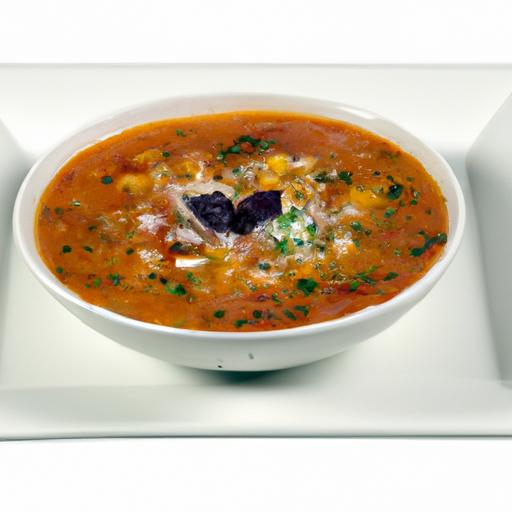
Hearty Minestrone Magic instantly transports you to the heart of Italian tradition, where fresh vegetables, savory broth, and tender beans create a symphony of flavor and nutrition. This iconic soup is not only deeply satisfying but offers a nourishing boost with every spoonful, making it the ultimate comfort food for any season.Drawing inspiration from rustic countryside kitchens, the recipe celebrates vibrant, seasonal ingredients that meld into a rich and balanced medley, perfect for sharing around the table.
Prep and cook Time
- Readiness: 20 minutes
- Cooking: 45 minutes
- Total Time: 1 hour 5 minutes
Yield
- Serves 6 generous bowls
Difficulty Level
- Medium – approachable for cooks familiar with basic chopping and simmering techniques
Ingredients
- 2 tablespoons extra virgin olive oil
- 1 large yellow onion, finely chopped
- 2 cloves garlic, minced
- 2 medium carrots, diced
- 2 celery stalks, diced
- 1 medium zucchini, diced
- 1 cup green beans, trimmed and cut into 1-inch pieces
- 1 (14-ounce) can diced tomatoes, undrained
- 6 cups vegetable broth, preferably homemade or low sodium
- 1 (15-ounce) can cannellini beans, drained and rinsed
- 1/2 cup small pasta shapes (like ditalini or elbow macaroni)
- 1 teaspoon dried oregano
- 1 teaspoon dried basil
- 1/2 teaspoon freshly ground black pepper
- Salt to taste
- 2 cups fresh baby spinach leaves
- Freshly grated Parmesan cheese (optional, for garnish)
- Chopped fresh parsley for finishing
instructions
- Heat olive oil in a large heavy-bottomed pot over medium heat. Add the chopped onion and sauté until translucent and soft, about 5 minutes, stirring occasionally to release natural sweetness.
- Add minced garlic, carrots, and celery. Cook for 7 minutes, stirring frequently, until vegetables begin to soften but retain texture.
- Stir in the diced zucchini and green beans. Sauté another 5 minutes, allowing all veggies to mingle and lightly caramelize for added depth.
- Add the canned tomatoes with their juices along with vegetable broth, dried oregano, and dried basil. Bring mixture to a gentle boil.
- Reduce heat and let the soup simmer uncovered for 20 minutes,stirring occasionally. this step concentrates flavors and melds the vegetables.
- Add cannellini beans and pasta to the pot. Cook for an additional 10-12 minutes or until pasta is al dente-avoid overcooking to maintain texture.
- Season with salt and black pepper.Stir in the fresh baby spinach leaves, cooking just until wilted to preserve vibrant color and nutrients.
- Remove from heat and let sit for 5 minutes to allow flavors to harmonize before serving.
Tips for Success
- Use the freshest seasonal vegetables you can find – the bright hues and crisp textures truly elevate the dish.
- To keep the soup gluten-free,swap pasta for a grain like quinoa or skip entirely and add extra beans.
- If you prefer a thicker broth,lightly mash some beans against the pot side before stirring.
- Prepare the base a day ahead; flavors develop even better after resting overnight in the fridge.
- For a smoky twist, add a small smoked paprika pinch or rustic pancetta (if not vegetarian).
Serving Suggestions and Pairing Ideas
Hearty Minestrone Magic finds its perfect companion in a loaf of freshly baked crusty bread. The ideal bread should have a robust, crunchy crust with a tender, porous crumb to soak up the broth without falling apart. Rustic sourdough,a classic italian ciabatta,or a country-style boule beautifully complement the soup’s texture and warmth.
Toast thick slices lightly and rub with a cut garlic clove for an aromatic boost. Serve alongside a small bowl of extra virgin olive oil and balsamic vinegar for dipping, or spread with a thin layer of creamy ricotta to add another dimension.
Top the minestrone with a sprinkle of freshly grated Parmesan, a drizzle of good-quality olive oil, and a scattering of chopped parsley or basil leaves. For added crunch and texture contrast, sprinkle toasted pine nuts or crushed red pepper flakes.
Pair this meal with a chilled glass of light red wine such as Chianti or a crisp Italian white like Pinot Grigio for an authentic dining experience.
| Nutrient | Per Serving |
|---|---|
| Calories | 280 kcal |
| Protein | 12 g |
| Carbohydrates | 45 g |
| Fat | 6 g |

Looking to dive deeper into the world of Italian soups? Check out our Rustic Italian Soup Recipes collection for more hearty inspirations. For a detailed guide on selecting and storing fresh vegetables, visit Fresh fruit & Veg Knowledge.
Q&A
Q&A: Hearty Minestrone Magic – Perfect pairing with Crusty Bread
Q1: What makes minestrone such a beloved soup?
A1: Minestrone is the ultimate comfort soup-robust, vibrant, and packed with garden-fresh vegetables, beans, and pasta or rice. Its hearty nature, combined with a savory tomato-based broth, creates a rich tapestry of flavors and textures that warms both body and soul.
Q2: Why is crusty bread the ideal companion to minestrone?
A2: A bowl of minestrone begs for a partner that can soak up its luscious broth without surrendering to sogginess. Crusty bread, with its golden, crisp exterior and tender interior, acts like a flavor sponge, enhancing every spoonful by adding a satisfying crunch and subtle yeasty notes.
Q3: Are there specific types of crusty bread that elevate the minestrone experience?
A3: Absolutely! Think rustic Italian ciabatta, a classic baguette, or a hearty sourdough loaf. Each brings its own personality-ciabatta’s airy crumb absorbs broth beautifully, baguette’s light crust offers a delicate snap, and sourdough adds a tangy bite that contrasts perfectly with the soup’s sweetness.
Q4: Can I customize my minestrone to pair better with certain breads?
A4: Of course! If you opt for a more herbaceous minestrone with basil and oregano, a rosemary-infused focaccia could be a magical match. For a smoky, bean-rich version, a dense, nutty whole-grain bread will add depth. The key is to balance textures and flavors so both elements shine.
Q5: What’s the best way to serve crusty bread alongside minestrone?
A5: Serve the bread warm-either fresh from the oven or lightly toasted. Tear it into rustic chunks to make dipping natural and fun, or slice it thickly for spreading a touch of butter or a drizzle of extra virgin olive oil, creating a simple yet irresistible side.
Q6: Any tips for elevating this pairing for a dinner gathering?
A6: Turn it into an experience! present the minestrone in individual bowls, paired with a basket of assorted crusty breads. Include a small plate of flavored butters,herbed olive oils,or balsamic glazes. This interactive setup invites guests to customize their bites and savor the magic of textures and tastes interwoven.
Q7: Why does this classic combo stay so timeless?
A7: It’s all about balance-the nourishing, robust elements of minestrone coupled with the humble, grounding nature of crusty bread speak to a primal satisfaction. This duo transcends trends, reminding us that good food, simple ingredients, and thoughtful pairings create moments of true culinary magic.
To Conclude
As the steam rises from yoru bowl of hearty minestrone, rich with garden-fresh vegetables and tender beans, the perfect crusty bread awaits – ready to soak up every flavorful drop. This timeless pairing isn’t just a meal; it’s a celebration of comfort, tradition, and the simple magic that happens when wholesome ingredients come together. Whether enjoyed on a chilly evening or as a nourishing midday escape, minestrone with crusty bread reminds us that sometimes, the most satisfying dishes are those rooted in warmth, texture, and a touch of rustic charm. So grab a spoon, tear off a piece of that golden crust, and savor the cozy symphony of flavors that make this classic duo truly unforgettable.