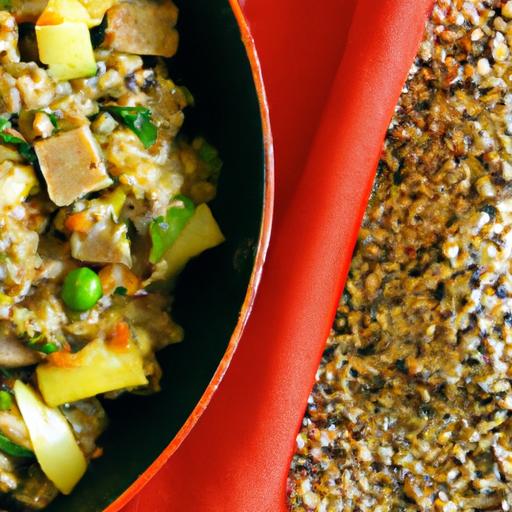
Quinoa & Lentils are a dynamic duo that not only deliver a vibrant medley of textures and flavors but also pack an incredible nutritional punch, making them essential staples in any health-conscious kitchen. Originating from the high-altitude regions of South America and beloved globally for their versatility, this combination offers a perfect blend of plant-based protein, fiber, and heart-pleasant compounds to support weight management and cardiovascular wellness.
Prep and Cook Time
- Preparation: 10 minutes
- Cooking: 25 minutes
- Total Time: 35 minutes
Yield
Serves 4 as a hearty main or 6 as a nutritious side
Difficulty Level
Easy – perfect for everyday cooking enthusiasts
Ingredients
- 1 cup quinoa, rinsed thoroughly
- 1 cup green lentils, rinsed and sorted
- 3 cups low-sodium vegetable broth or water
- 1 medium onion, finely chopped
- 2 cloves garlic, minced
- 1 large carrot, diced small
- 1 red bell pepper, diced
- 2 tbsp olive oil
- 1 tsp ground cumin
- ½ tsp smoked paprika
- Salt and freshly ground black pepper, to taste
- Fresh parsley, chopped for garnish
- Juice of ½ lemon
Instructions
- Sauté Aromatics: In a large saucepan, heat the olive oil over medium heat. Add the onion and garlic,sautéing until fragrant and translucent,about 4 minutes. Stir frequently to prevent burning.
- Add the Veggies: Toss in the diced carrot and red bell pepper. Cook for another 5 minutes until vegetables soften and begin to caramelize, enhancing their natural sweetness.
- Toast Spices: Sprinkle cumin and smoked paprika over the veggies, stirring constantly for 30 seconds to release their aromatic oils.
- Cook Lentils: Add the rinsed lentils and half of the vegetable broth.Bring to a gentle boil, then reduce heat to a simmer. Cover and cook for 15 minutes.
- Add Quinoa: Stir in the rinsed quinoa along with the remaining broth. Return to simmer, cover, and cook for an additional 12 minutes or until lentils are tender and quinoa is fluffy.
- Final Touches: Remove from heat and let sit, covered, for 5 minutes. Fluff with a fork, then stir in lemon juice. Season with salt and pepper to taste.
- Garnish and Serve: Transfer to bowls and sprinkle generously with fresh parsley for a burst of color and freshness.
Tips for Success
- Rinsing quinoa is essential to remove its natural coating, saponin, which can taste bitter.
- For a gluten-free version, ensure the vegetable broth is certified gluten-free.
- replace green lentils with red or black lentils for a different texture and color contrast.
- make a large batch and store leftovers in an airtight container in the fridge for up to 4 days; it reheats beautifully.
- Use a wide pan for sautéing to enhance caramelization and depth of flavor.
- Add a dash of chili flakes or a spoonful of tahini for a spicy or creamy twist, respectively.
Serving Suggestions
This warm quinoa and lentil dish shines as a fulfilling main course or a nutritious side. Serve it alongside a crisp mixed greens salad drizzled with balsamic vinaigrette or dollop with creamy avocado slices. For added contrast, sprinkle toasted pumpkin seeds or crumbled feta on top. A fresh wedge of lemon on the side invites guests to brighten each bite as desired, creating an immersive sensory experience that balances heartiness with fresh zest.
| Nutrient | Per Serving |
|---|---|
| Calories | 280 kcal |
| Protein | 14 g |
| Carbohydrates | 45 g |
| Fat | 6 g |

Looking to deepen your wholesome eating journey? Discover more healthy plant-based recipes in our Plant-Based Power Recipes collection. For additional science-backed benefits of quinoa and lentils, visit the Healthline Quinoa Benefits Guide.
Q&A
Q&A: Quinoa & Lentils - Powerhouse Grains for Healthy Living
Q1: What makes quinoa and lentils stand out as “powerhouse grains”?
A1: Quinoa and lentils are nutritional dynamos! Quinoa is actually a seed but often called a grain, prized for its complete protein profile-meaning it contains all nine essential amino acids.Lentils, on the other hand, offer a hearty dose of plant-based protein, fiber, iron, and complex carbohydrates.Together, they fuel your body with sustained energy, support muscle repair, and help maintain steady blood sugar levels.
Q2: Can quinoa and lentils really replace meat in a diet?
A2: absolutely! While they’re not exact meat substitutes, quinoa and lentils provide many of the nutrients found in animal products-especially protein and iron. For vegetarians, vegans, or anyone looking to cut down on meat, these superfoods are excellent alternatives that nurture your body and the planet.
Q3: How do quinoa and lentils contribute to heart health?
A3: Both are champions of cardiovascular wellness. Lentils are rich in soluble fiber, which helps lower LDL cholesterol (“bad” cholesterol) and keeps arteries clear. Quinoa’s antioxidant compounds and healthy fats also reduce inflammation and support healthy blood pressure. Together, they’re like a heart-friendly hug in every bowl.
Q4: Are quinoa and lentils easy to cook for everyday meals?
A4: Definitely! Quinoa cooks in about 15 minutes-just rinse and boil-making it perfect for speedy salads, bowls, or side dishes.Lentils vary (red & yellow cook faster than green or brown), but most take between 20 to 40 minutes. Their mild, earthy flavors blend beautifully into soups, stews, curries, and even veggie burgers.
Q5: How can I creatively include quinoa and lentils in my meals?
A5: Think beyond boring! Toss quinoa into a colorful salad with roasted veggies and a zesty lemon dressing. Make lentil “meatballs” or a spicy lentil chili. Blend cooked lentils into veggie patties or use quinoa flakes as a breakfast porridge base.The possibilities are endless, tasty, and nutritious.
Q6: Are there any tips for maximizing nutrient absorption from quinoa and lentils?
A6: great question! Soaking lentils before cooking can reduce antinutrients and speed up digestion. Rinsing quinoa thoroughly washes away bitter saponins. Pair them with vitamin C-rich foods (like tomatoes or bell peppers) to boost iron absorption. Combining smart preparation with balanced meals ensures you get the most health benefits.
Q7: Is there any difference between quinoa and lentils in terms of dietary needs?
A7: Both are fantastic, but if you need more protein and a full amino acid profile, quinoa has the edge. If you want more fiber and slower-digesting carbs that keep you fuller longer, lentils shine. Rotating between them in your diet is a savvy way to diversify nutrients and flavors.
Q8: Can quinoa and lentils aid in weight management?
A8: Indeed! Their high fiber and protein content promote satiety, meaning you feel fuller longer and can avoid overeating. Plus, the steady energy they provide helps keep cravings in check. Incorporating these grains into balanced meals can support healthy, sustainable weight management.
Q9: Are quinoa and lentils suitable for gluten-free diets?
A9: Yes! Both are naturally gluten-free,making them excellent staples for people with celiac disease or gluten sensitivities. Just make sure to buy from certified gluten-free sources if you’re highly sensitive, to avoid cross-contamination.
Q10: How do quinoa and lentils fit into sustainable eating?
A10: These grains are eco-friendly heroes! They require less water and land than many animal proteins and have a lower carbon footprint. Plus, quinoa is adaptable to harsh climates, supporting food security in diverse regions. Choosing quinoa and lentils means nourishing yourself and the planet simultaneously.
Embracing quinoa and lentils isn’t just about eating well-it’s about fueling your body with nature’s finest, creative culinary adventure, and a smart step toward holistic health. Ready to power up your plate?
Closing Remarks
As we’ve uncovered,quinoa and lentils aren’t just humble staples-they’re vibrant powerhouses packed with nutrients that nourish your body and fuel your day. Whether tossed into a salad, blended into a hearty stew, or served as a side, these ancient grains bring both flavor and function to your plate.Embracing quinoa and lentils in your meals is more than a trend; it’s a delicious step toward lasting health and vitality. So next time you’re planning a meal, let these little giants of nutrition take center stage-and enjoy the wholesome benefits they bring to your journey of healthy living.