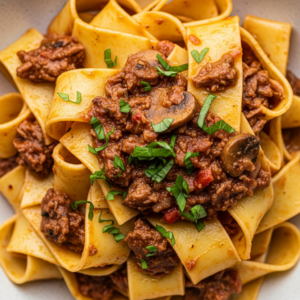

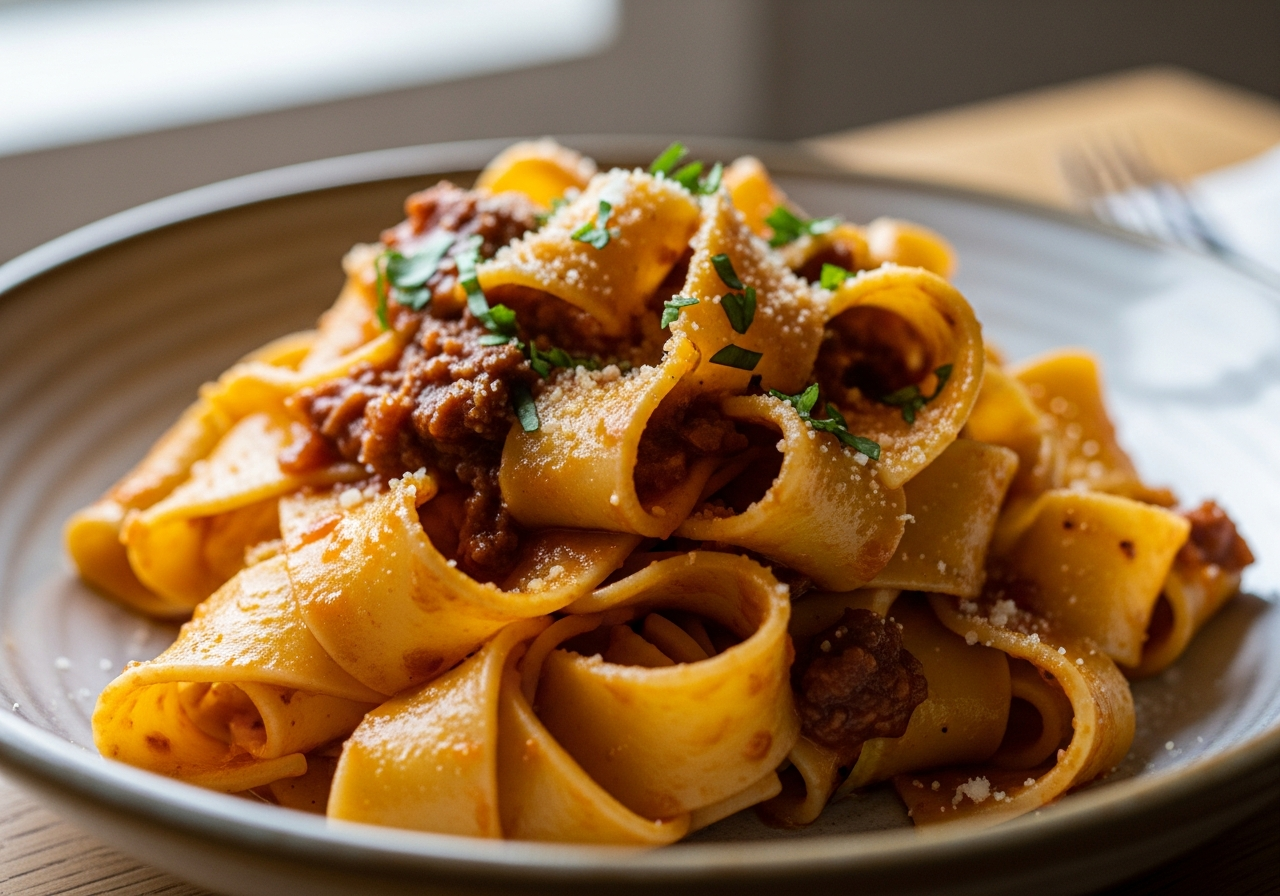
Stretching wide across a plate and steeped in rich tradition, pappardelle pasta invites us on a flavorful journey through the heart of Italy’s culinary landscape. These broad,ribbon-like noodles are more than just a dish-they are a vibrant thread woven into the fabric of italian culture,carrying stories from rustic Tuscan kitchens to modern trattorias. In this exploration of pappardelle, we’ll unravel the history, the regional variations, and the timeless recipes that have made these noodles a beloved staple. join us as we dive into the art and soul behind Italy’s favorite broad pasta, discovering why pappardelle continues to captivate palates around the world.
Pappardelle pasta captures the very essence of rustic Italian comfort with its broad, ribbon-like shape that cradles rich sauces effortlessly. Originating in Tuscany,this beloved noodle has charted a flavorful journey across italy’s diverse culinary landscape,each region adding a unique chapter to its story. From the sun-drenched hills of Tuscany to the lush Umbria valleys,pappardelle pasta elevates simple ingredients into a soulful dish that speaks of tradition,craft,and timeless pleasure.
Prep and Cook Time
- Preparation: 25 minutes
- Resting dough: 30 minutes
- Cooking: 3-4 minutes
- Total Time: Approximately 1 hour
Yield
Serves 4 generous portions
Difficulty Level
medium – perfect for passionate home cooks ready to embrace fresh pasta making
Ingredients
- 2 cups all-purpose flour, sifted
- 2 large eggs, at room temperature
- 1 tablespoon olive oil
- ½ teaspoon fine sea salt
- Water, as needed (1-2 tablespoons)
Instructions
- Create a well on a clean surface with the flour. crack the eggs into the center, add olive oil and salt.
- Using a fork, gently beat the eggs, slowly incorporating the flour from the edges until a shaggy dough forms.
- Knead the dough by hand for 8-10 minutes until smooth and elastic. Add water sparingly if the dough feels dry.
- Wrap the dough in plastic wrap and rest for 30 minutes to relax the gluten.
- Divide the dough into 2 pieces. Roll each piece out thinly (about 1/8 inch thickness) using a rolling pin or pasta machine.
- Cut into wide ribbons approximately ¾ to 1 inch wide – the signature width that allows sauces to cling perfectly.
- Boil salted water.Cook fresh pappardelle for 3-4 minutes or until tender but firm.
- Drain gently and toss immediately with your chosen sauce.
Chef’s Notes
- For an extra silky dough, substitute part of the all-purpose flour with “00” flour.
- If dough is sticky, dust your surface lightly with flour but avoid adding too much, which can dry out the pasta.
- Fresh pappardelle cooks quickly; keep an eye to prevent overcooking.
- Make dough ahead and refrigerate for up to 24 hours, or freeze rolled sheets layered with parchment.
Serving Suggestions
Customary pairings include a slow-cooked wild boar ragù or sautéed porcini mushrooms with garlic and sage. For a lighter option, try a fresh tomato and basil sauce with burrata cream.
Garnish with freshly grated Parmigiano-reggiano, cracked black pepper, and a drizzle of high-quality extra virgin olive oil to enliven the flavors. Seasonal herbs like rosemary or thyme add an aromatic lift. serve alongside rustic bread to soak up every luscious bite.
Signature Sauces that Elevate Pappardelle
The true culinary artistry of pappardelle pasta lies in the sauce pairing. Rich meat ragùs from regions like Tuscany and Emilia-Romagna envelop the broad ribbons in luscious, hearty textures. Seafood variations in Liguria marry fresh shellfish and fragrant lemon to the pasta’s delicate bite. Experiment with bold porcine flavors like pancetta or creamy gorgonzola sauces for modern twists that honor tradition.
Pairing Pappardelle With Wine and Seasonal Ingredients
A glass of robust Chianti Classico or a delicate Verdicchio perfectly complements the rustic feel of pappardelle with earthy ragùs or bright vegetable-based sauces. Adjust pairings seasonally-champagne or crisp Pinot Grigio shine in spring with asparagus or fava bean toppings, while deep-bodied Barolo glows warmly alongside winter wild boar ragù.

| Nutritional Information (per serving) | Amount |
|---|---|
| Calories | 410 kcal |
| Protein | 14 g |
| Carbohydrates | 60 g |
| Fat | 10 g |
For more delectable pasta inspiration, explore our Regional Italian Pasta Recipes. For detailed history and culinary insights on pasta origins, Slow Food International offers an authoritative resource.
Q&A
Q&A: Pappardelle Pasta – A Broad journey Through Italy’s Favorite Noodles
Q1: What exactly is pappardelle pasta?
A1: Pappardelle is a type of broad, flat pasta that’s essentially the Italian answer to noodles with a big personality. Traditionally about 2 to 3 centimeters wide,these ribbons of dough have a rustic charm and a hearty texture that make them perfect for embracing rich,robust sauces. Think of pappardelle as the pasta equivalent of a warm hug-wide,welcoming,and meant to hold onto flavor with gusto.
Q2: Where did pappardelle originate in Italy?
A2: Pappardelle hails from the enchanting region of Tuscany, a land famous for its rolling hills, rustic cuisine, and a passionate reverence for pasta. This pasta was born out of necessity and tradition-a way to create a ample noodle that could stand up to the hearty wild game ragùs and thick meat sauces typical of Tuscan tables.
Q3: How is pappardelle different from other pasta types like fettuccine or tagliatelle?
A3: While fettuccine and tagliatelle also share that flat, ribbon-like shape, pappardelle stretches the width meter-sometimes twice as wide! That extra breadth is not just for show; it provides more surface area to catch every last bit of sauce. if fettuccine is elegant and tagliatelle is classic, pappardelle is bold and rustic-a perfect match for hearty dishes that need some serious pasta presence.
Q4: Which sauces pair best with pappardelle?
A4: Pappardelle is the canvas for robust, intensely flavored sauces. Imagine slow-cooked wild boar ragù, rich mushroom medleys, creamy truffle-infused delights, or decadent braised beef-all these sauces cling lovingly to the wide noodles. The broad surface area helps trap luscious bits of meat and aromatic herbs, creating a symphony of tastes in every bite.
Q5: Can you make pappardelle pasta at home,or is it better to buy it?
A5: Homemade pappardelle is a rewarding culinary project! Rolling out fresh pasta dough and cutting those wide ribbons is satisfying and fills the kitchen with marvelous aromas. That said, high-quality store-bought pappardelle can deliver excellent results too-especially if you’re short on time. Whether hand-crafted or store-bought, the magic comes when you pair it with a sauce that sings.
Q6: Are there any interesting cultural or past tidbits about pappardelle?
A6: Definately! The name “pappardelle” comes from the Italian verb “pappare,” which means “to gobble up” or “to eat quickly.” This little linguistic nugget hints at how beloved and hearty this pasta is, ofen disappearing off plates faster than you can say “mangia!” historically, it was a peasant dish that celebrated simple, rustic ingredients elevated by the breadready noodles themselves.
Q7: How should you cook pappardelle to achieve the perfect texture?
A7: Cooking pappardelle is all about timing and love. Because these noodles are thick and broad, they need a slightly longer boil than thinner pastas to reach al dente perfection-usually around 4 to 6 minutes for fresh, a bit longer for dried. Keep a close eye, and remember to reserve some pasta water; its starchiness is the secret to marrying sauce and noodles into a silky, satisfying dish.
Q8: What makes pappardelle a favorite beyond Italy’s borders?
A8: Pappardelle’s international appeal lies in its versatility and the comforting heartiness it brings to any table. As global cuisine embraces fusion and bold flavors, chefs and home cooks love pappardelle for its ability to hold sauce, soak up savory goodness, and provide a textural contrast that plays beautifully with everything from classic ragù to inventive veggie-based creations. Its pasta with attitude-a broad invitation to savor every mouthful.
This Q&A serves as your guide through the deliciously broad universe of pappardelle pasta-a noodle not just to eat, but to experience. So next time you twirl one of these broad ribbons, remember you’re partaking in centuries of Italian tradition wrapped in a comforting, flavorful embrace.Buon appetito!
To Conclude
From the rolling hills of Tuscany to the vibrant kitchens of Naples, pappardelle pasta weaves a flavorful narrative that captures the heart of Italy’s culinary heritage. Its broad, ribbon-like shape is more than just a vessel for rich sauces-it’s a symbol of tradition, craftsmanship, and the joyful art of sharing a meal.Whether paired with a hearty ragù or a delicate mushroom sauce, pappardelle invites us to savor the simplicity and soul of Italian cooking, reminding us that sometimes, the widest noodles carry the deepest stories. So next time you twirl these ribbons of flavor on your fork, you’re not just enjoying pasta-you’re partaking in a broad journey through Italy’s beloved noodle legacy. Buon appetito!