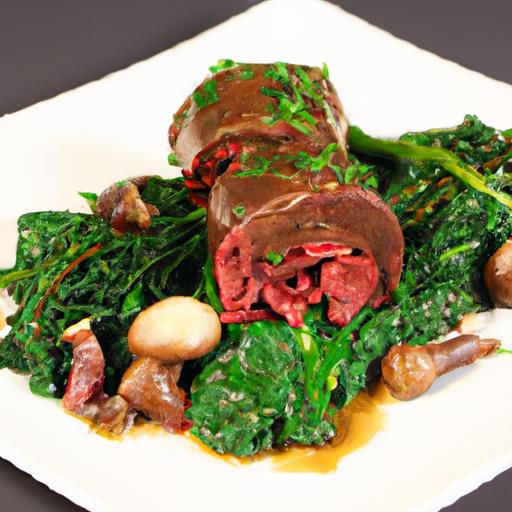

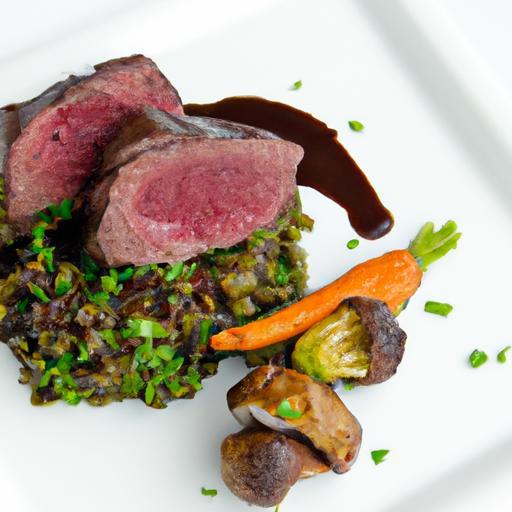
Beneath the familiar glow of everyday cuts lies a hidden gem long cherished by chefs and culinary adventurers alike: beef cheeks. Often overlooked and relegated to the sidelines of the butcher’s counter, these unassuming morsels pack an unusual punch of flavor and tenderness that can transform any meal into a memorable feast. In “Beef Cheeks Uncovered: Tender Cuts with Big Flavor Boost,” we dive deep into the world of this silky, richly marbled muscle, uncovering how slow cooking and a little culinary love unlocks its succulent secrets. Whether you’re a seasoned foodie or an inquisitive home cook, prepare to discover why beef cheeks are fast becoming the ultimate comfort choice for bold, mouthwatering dishes.
Beef cheeks offer an extraordinary texture and flavor profile that elevates everyday meals into rich, soulful experiences. Hailing from traditional kitchens where no cut went to waste, this unassuming cut is now celebrated in gourmet circles for its deep beefy essence and melt-in-your-mouth tenderness when cooked properly. Unlocking the potential of beef cheeks means embracing slow cooking methods that coax out their unique gelatinous texture,rewarding patience with unparalleled succulence.
prep and Cook Time
- Planning: 30 minutes
- Cooking: 3 to 4 hours (slow braise)
- Total Time: Approximately 4 hours
yield
- Serves 4 elegantly
Difficulty Level
- Medium – Ideal for home cooks looking to elevate their braising技巧
Ingredients
- 2 lbs beef cheeks, trimmed and excess fat removed
- 1 cup beef stock, preferably homemade or low sodium
- 1 cup dry red wine, such as a robust Cabernet Sauvignon
- 2 tablespoons olive oil
- 1 large onion, finely chopped
- 2 cloves garlic, minced
- 1 large carrot, peeled and cubed
- 2 celery stalks, diced
- 1 sprig fresh rosemary
- 2 bay leaves
- Salt and freshly ground black pepper, to taste
- 2 tablespoons tomato paste
- 1 tablespoon all-purpose flour (optional, for thickening)
Instructions
- Pat dry the beef cheeks with paper towels to ensure a perfect sear. Season generously with salt and pepper.
- Heat olive oil in a heavy-bottomed Dutch oven over medium-high heat.Sear beef cheeks until each side is a rich, golden brown (about 4 minutes per side). Remove and set aside.
- Reduce heat to medium, add onion, carrot, and celery.Sauté until softened and fragrant, approximately 5 minutes, stirring frequently.
- Add garlic and tomato paste; cook for another minute, stirring to combine and deepen flavors.
- Deglaze the pot with red wine, scraping up brown bits from the bottom-this adds incredible depth.
- Return beef cheeks to the pot along with beef stock, rosemary, and bay leaves. Bring to a gentle simmer.
- Cover and transfer to a preheated oven at 300°F (150°C). Braise slowly for 3-4 hours, or until the cheeks are fork-tender and can be easily pulled apart.
- Remove the cheeks to a plate; tent with foil to keep warm.
- If desired, strain the braising liquid and whisk together with a tablespoon of flour over medium heat until thickened-a luscious sauce to accompany your beef cheeks.
- Serve hot,garnished with fresh herbs and a drizzle of the braising sauce.
Tips for Success
- For extra richness, sear the beef cheeks in butter and oil blend rather of just olive oil.
- Marinate overnight in red wine, garlic, and herbs to deepen flavor complexity.
- Use a slow cooker on low for 6-8 hours if you prefer a hands-off method with the same tender results.
- If the sauce tastes too sharp, balance acidity by stirring in a teaspoon of honey or balsamic vinegar.
- Leftovers keep beautifully refrigerated for up to 3 days and taste even better the next day.
Serving Suggestions
Pair the beef cheeks with creamy mashed potatoes or a rich parsnip purée to complement their luscious texture. A sprinkle of freshly chopped parsley or thyme enhances the meat’s earthiness and adds visual brightness.
Alternatively,serve atop a bed of creamy polenta,garnished with sauteed wild mushrooms for an elegant,rustic plate. Don’t forget crusty artisan bread to soak up every drop of that savory braising sauce.
When it comes to pairing wines, embrace bold reds-Syrah, Malbec, or a structured Cabernet Sauvignon intensify the deep meaty notes while balancing the richness with acidity.
| Nutrient | Amount per Serving |
|---|---|
| Calories | 450 kcal |
| Protein | 38 g |
| Carbohydrates | 12 g |
| Fat | 28 g |

Discover more about the art of slow-cooked meats in our Ultimate Braised Beef Recipes,or learn about the science behind perfect meat tenderness with this insightful Serious Eats guide.
Q&A
Q&A: Beef Cheeks Uncovered – Tender Cuts with Big Flavor Boost



Q: What exactly are beef cheeks?
A: beef cheeks are the facial muscles of a cow, known for their rich, tender texture when cooked low and slow. Often overlooked, these muscular morsels pack a punch of deep, beefy flavor that’s both hearty and luxurious.Q: Why should I consider cooking beef cheeks?
A: If you crave melt-in-your-mouth tenderness and crave flavor that lingers, beef cheeks are a culinary gem.Their dense collagen breaks down during slow cooking, turning tough muscle into succulent bites-perfect for braises, stews, and gourmet comfort food.
Q: How do beef cheeks differ from other cuts of beef?
A: Unlike prime cuts like ribeye or sirloin,beef cheeks come from a well-worked muscle. This means they’re tougher raw but transform beautifully over hours of gentle cooking, developing a gelatinous, silky texture that other cuts simply can’t mimic.
Q: What cooking methods bring out the best in beef cheeks?
A: Braising is king. Slow-cooked in wine, stock, or aromatic broths, beef cheeks absorb flavors and break down collagen. Alternatively, they shine in slow cookers, pressure cookers, or even sous-vide, each method coaxing out their signature tenderness.
Q: Are beef cheeks widely available or a specialty item?
A: They’re gaining favor among chefs and home cooks but can still be found mainly at butcher shops or specialty meat markets. Asking your butcher directly frequently enough yields the freshest cuts and expert tips for preparation.
Q: Can I eat beef cheeks on a budget?
A: Absolutely! Beef cheeks are frequently enough more affordable than premium steaks but deliver comparable richness and depth. Their economics make them a smart choice for those looking to impress without splurging.
Q: What dishes showcase beef cheeks best?
A: Classic dishes include beef cheek bourguignon, tender tacos de cachete, or slow-simmered stews. Their adaptability means they’re equally at home paired with creamy polenta, roasted root vegetables, or nestled in rich gravy.
Q: Is there a specific seasoning or marinade recommended?
A: Think hearty and aromatic-red wine, garlic, thyme, bay leaves, and black pepper work wonders.Because beef cheeks absorb flavors deeply, marinades and spice rubs enhance the final dish without overwhelming the natural beefiness.
Q: Any tips for preparing beef cheeks at home?
A: Trim excess fat and silver skin,then give them a good sear for flavor before slow cooking. Patience is key-low and slow is the secret to unlocking their legendary tenderness. And don’t rush the resting; it lets juices redistribute for a juicy finish.
Q: What makes beef cheeks a rising star in modern cuisine?
A: In a world hungry for sustainability, nose-to-tail cooking, and bold flavors, beef cheeks offer an exciting alternative. They’re a party of underused cuts resurrected with culinary creativity-bringing serious taste and textural delight to your table.
In Summary
As we wrap up our deep dive into the world of beef cheeks, it’s clear these unassuming cuts deserve a prime spot on your plate. From their rich marbling to their unparalleled tenderness after slow cooking, beef cheeks transform humble ingredients into masterful dishes bursting with flavor. Whether you’re a seasoned chef or an adventurous home cook, embracing beef cheeks opens the door to culinary creativity and bold, satisfying meals. So next time you seek a cut that’s both budget-friendly and brimming with potential, remember-beef cheeks are the secret ingredient waiting to elevate your cooking to new, mouthwatering heights.