
In the delicate dance between bees and blossoms lies a phenomenon as old as time itself-a liquid treasure known to countless cultures as the “golden Elixir.” Honey, with its shimmering amber hues and unmistakable sweetness, has fascinated humanity for millennia, not just as a natural sweetener but as a symbol of health, healing, and even spiritual wonder. But beyond its enchanting taste and rich history, ther exists a interesting world of science buzzing beneath the surface. From the intricate biology of bees to the complex chemistry that preserves honey’s purity, the story of honey is as sweet as it is indeed scientific. Join us as we unravel the sweet science behind honey’s magic, revealing how nature’s alchemists transform simple nectar into a substance both miraculous and timeless.
Golden Elixir, the captivating sweetener crafted by nature’s tiniest architects, has fascinated humanity for millennia. This liquid gold is more than just a natural sweetener; it’s a complex symphony of sugars,enzymes,antioxidants,and healing compounds. From the moment bees collect nectar to the final drop you drizzle over your morning toast, the chemistry behind honey is a marvel worth exploring. Whether you seek to enrich your culinary creations or harness its wellness benefits, understanding honey’s unique composition empowers you to unlock its full potential in your kitchen and life.
Prep and Cook Time
- Planning: 5 minutes
- no Cooking Required (ideal for raw or minimal-heat recipes)
Yield
- Approximately 1 cup of infused honey
Difficulty Level
- Easy – perfect for beginners and wellness enthusiasts alike
Ingredients
- 1 cup raw, unfiltered honey (preferably local and organic for maximum nutrient value)
- 1-2 sprigs fresh rosemary (for subtle herbaceous infusion)
- 1 small cinnamon stick (optional for a warm, spicy note)
- 1 teaspoon lemon zest (to brighten flavors and add a natural preservative)
instructions
- Start with raw honey to preserve the natural enzymes and antioxidants that make honey truly special.
- Pour the honey into a clean, dry glass jar to prevent contamination and preserve freshness.
- Add the fresh rosemary sprigs, cinnamon stick (if using), and lemon zest directly into the honey jar.
- Seal the jar tightly and gently swirl the honey to mix the ingredients without introducing air bubbles, which can promote crystallization.
- Store the jar at room temperature, away from direct sunlight, and allow it to infuse for 5-7 days for a rich, layered flavor.
- After infusion, gently remove the rosemary, cinnamon stick, and lemon zest using a clean spoon or fork.
- Your golden elixir is now ready to enhance everything from herbal teas to roasted vegetables or homemade skincare treatments.
Tips for Success
- Use raw honey to retain its full spectrum of health benefits; pasteurized honey loses many enzymes and antioxidants.
- Infusions can be customized – try lavender, thyme, or chili flakes for unique flavor profiles.
- For a smoother texture, warm honey gently in a water bath if crystallized, but never exceed 95°F to avoid destroying nutrients.
- Always use dry utensils when scooping honey to prevent fermentation or spoilage.
- Make ahead: infused honey can be stored for up to 3 months, making it a perfect homemade gift or pantry staple.
Serving Suggestions
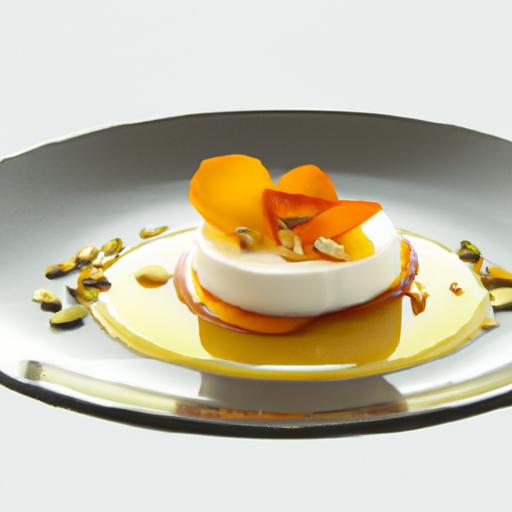
- Drizzle over warm,toasted sourdough with a sprinkle of goat cheese and walnuts for a sweet-savory brunch treat.
- Stir into chamomile or green tea for a soothing, immune-boosting tonic.
- Use as a glaze for roasted carrots or brussels sprouts, enhancing their natural sweetness.
- Combine with Greek yogurt and fresh berries to elevate a simple dessert with antioxidant power.
- Incorporate into homemade marinades or vinaigrettes for a subtle depth of flavor.
| Nutrient | per 1 Tbsp (21g) |
|---|---|
| Calories | 64 |
| Protein | 0.1g |
| Carbohydrates | 17g (mostly natural sugars) |
| fat | 0g |

Discover the science and sensory magic of honey with our thorough guide to natural sweeteners. To dive deeper into honey’s health benefits, visit the National Geographic’s feature on bees’ vital role in ecosystems.
Q&A
Q&A: Golden Elixir – The Sweet Science Behind Honey’s Magic
Q1: what exactly makes honey “liquid gold”?
A1: Honey earns its nickname “liquid gold” not just because of its warm, amber glow but due to its rich composition.It’s a natural concoction of sugars, enzymes, vitamins, minerals, and antioxidants – all meticulously crafted by industrious bees from nectar. This blend gives honey its sweet taste, medicinal potential, and remarkable shelf life, making it a treasure in both kitchens and apothecaries.
Q2: How do bees transform flower nectar into honey?
A2: The magic begins when bees collect nectar, a watery, sugary fluid, from blossoms. Inside the hive, they pass the nectar between their mouths, introducing enzymes that break down complex sugars into simpler ones like glucose and fructose. This enzymatic alchemy reduces water content and raises acidity, creating honey’s perfect balance. bees fan their wings to evaporate excess moisture, turning nectar into the thick, golden syrup we cherish.
Q3: Why does honey never really spoil?
A3: Honey’s eternal shelf life is thanks to nature’s clever chemistry. It’s highly acidic with low water content, creating an inhospitable surroundings for bacteria and molds.Plus, bees add glucose oxidase, an enzyme that generates small amounts of hydrogen peroxide, a natural antiseptic. This triple defense keeps honey fresh indefinitely if stored properly.Q4: Can honey’s flavor change? What influences its taste?
A4: Absolutely! Honey’s flavor is a reflection of the flowers that bees visit. A meadow buzzing with clover yields light, floral notes, while buckwheat nectar produces bold, malty flavors. Seasonal shifts, soil conditions, and local climates further tint honey’s aromatic palette, making every jar a unique snapshot of nature’s bouquet.
Q5: Is honey really healthier than refined sugar?
A5: Honey offers more than just sweetness. Beyond simple sugars, it carries antioxidants, trace minerals, and enzymes that may support digestion and immunity. Its lower glycemic index means it won’t spike blood sugar as dramatically. Though, it’s still sugar at heart, so moderation is key – but its natural complexity certainly outshines plain refined sugar.



Q6: Does raw honey have special benefits compared to processed honey?
A6: Raw honey is unfiltered and unpasteurized, preserving those delicate enzymes, antioxidants, and pollens frequently enough stripped away in commercial processing.Enthusiasts praise raw honey for its robust flavors and potential therapeutic qualities, such as soothing sore throats and aiding wound healing. It’s like tapping directly into the hive’s natural pharmacy.
Q7: How do scientists study the “magic” of honey?
A7: Researchers use an arsenal of tools – from chromatography to DNA analysis – to decode honey’s composition and trace its floral origins. they investigate its antimicrobial properties, antioxidant capacity, and even potential anti-inflammatory effects. Honey stands at the crossroads of food science,medicine,and ecology,revealing its secrets one drop at a time.
Q8: What’s the future of honey in science and nutrition?
A8: As interest grows in natural health boosters, honey is stepping into the spotlight. Innovations like incorporating honey into wound dressings,leveraging its probiotics for gut health,and studying its role in sustainable agriculture are underway. The “golden elixir” continues to inspire a sweet synergy between tradition and cutting-edge science.
in Summary:
Honey isn’t just a sugary treat – it’s a marvel of biology and chemistry, harvested by nature’s tiny alchemists. Its complex formation, enduring freshness, and healthful properties make honey a true “golden elixir,” inviting us all to savor the sweet science behind its timeless magic.
Future Outlook
As we’ve journeyed through the golden depths of honey’s origins, chemistry, and centuries-old reverence, it becomes clear that this sweet elixir is much more than nature’s simple treat. Honey is a masterclass in science and artistry-a blend of floral whispers, microscopic alchemy, and time-honored tradition. Whether drizzled on toast or studied in a lab, its magic lies in the harmony between bees, blossoms, and the elements that transform nectar into liquid gold. So next time you savor a spoonful, remember: you’re tasting a complex symphony crafted by nature’s most diligent artisans, a true golden elixir that continues to captivate and heal across generations.