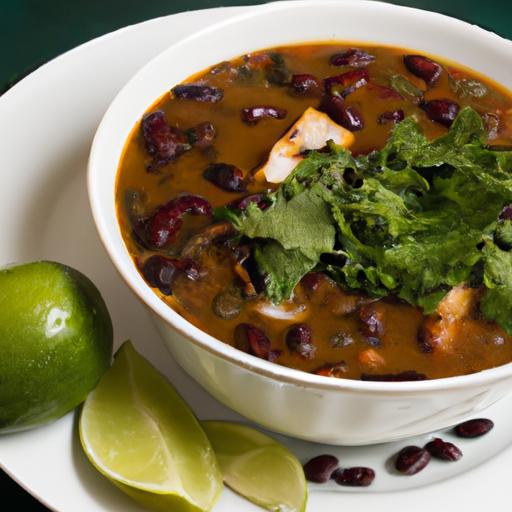

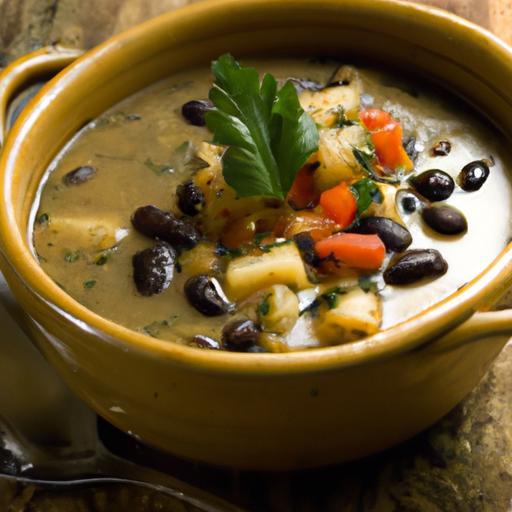
In the heart of Cuban kitchens simmers a dish that tells a story as rich and complex as the island itself: black bean soup. More than just a meal, this hearty bowl of deep, velvety beans blends vibrant spices, smoky undertones, and fresh aromatics to create a soulful experience that warms both body and spirit. Known affectionately as “sopa de frijoles negros,” Cuban black bean soup is a culinary emblem of resilience, culture, and community-each ladle a taste of history, tradition, and the island’s vibrant way of life. Join us as we explore the ingredients, origins, and cultural significance behind this beloved dish that continues to nourish generations and capture the very soul of Cuba.
Cuban black bean soup is a timeless staple that embodies the heart and soul of Caribbean culinary tradition. This rich, hearty dish combines simple yet powerful ingredients, slow-cooked to create layers of flavor that evoke the warmth of family gatherings and vibrant street markets. The Soul of Cuba: Exploring Rich, Hearty Black Bean Soup delivers not just nourishment but a deep connection to Cuba’s cultural heritage, where every spoonful tells a story of resilience, celebration, and communal spirit.
Prep and Cook Time
- Readiness: 20 minutes
- Cooking: 1 hour 30 minutes
- Total Time: 1 hour 50 minutes
Yield
Serves 6 generously
Difficulty Level
Medium – ideal for home cooks ready to embrace customary flavors with minimal fuss
Ingredients
- 2 cups dried black beans, rinsed and soaked overnight
- 6 cups water or low-sodium vegetable broth
- 1 large onion, finely chopped
- 1 green bell pepper, diced
- 4 cloves garlic, minced
- 1 medium carrot, peeled and diced
- 3 tablespoons olive oil
- 1 teaspoon ground cumin
- 1 teaspoon dried oregano
- 1 bay leaf
- 1 tablespoon apple cider vinegar
- Salt and black pepper to taste
- Optional: 2 slices of cured ham or smoked pork shoulder for authenticity
- Fresh cilantro, chopped, for garnish
- 1 lime, cut into wedges, for serving
Instructions
- Prepare the beans: Drain soaked black beans and place them in a large pot with 6 cups of water or broth. Bring to a boil over medium-high heat, then reduce to a simmer. Cook until beans are tender but hold their shape, about 60-70 minutes.Skim foam occasionally for a clearer broth.
- Sauté the sofrito: While beans cook, heat olive oil in a large skillet over medium heat. Add chopped onion, green pepper, carrot, and garlic. Sauté until vegetables are soft and golden, about 7 minutes, stirring frequently to prevent sticking.
- Enhance the flavor: Stir in cumin, oregano, and bay leaf into the sautéed vegetables. Cook for 2 more minutes to toast the spices, releasing their aromas.
- Add sofrito to beans: Transfer the sautéed sofrito mixture to the pot of cooked beans. If using cured ham or smoked pork, add it now to simmer alongside the beans for extra depth.
- Simmer and develop: Continue to simmer the combined soup gently for 15-20 minutes. Stir occasionally to meld flavors. Add salt and pepper to taste. Remove bay leaf and ham pieces before serving.
- velvety finish: For a smooth, creamy texture, use an immersion blender to puree about half of the soup right in the pot.Alternatively, transfer half the soup to a blender, pulse until smooth, then mix back with the remaining whole beans.
- Brighten the soup: Stir in apple cider vinegar at the end to balance the richness with a subtle tang. Taste and adjust seasoning as needed.
Tips for Success
- Soaking beans overnight reduces cooking time and improves digestibility.
- Use dried herbs over fresh for an authentic earthy flavor true to Cuban kitchens.
- Swap vegetable broth with chicken broth for a non-vegetarian rich version.
- Make-ahead: Black bean soup tastes even better the next day after flavors have married beautifully. Store in an airtight container in the refrigerator for up to 3 days or freeze for up to 3 months.
- for thicker soup: Mash additional beans with a fork or a potato masher before serving.
- Visual appeal: Garnish generously with fresh cilantro and a wedge of lime to add vibrant color and brightness.
Serving Suggestions and Pairings to Enhance Your Culinary Experience
This savory black bean soup, steeped in tradition, shines when paired with classic Cuban staples. Serve with fresh,warm cornbread or white rice to soak up every luscious drop. A side of fried plantains introduces a sweet contrast to the earthiness of the soup, while a crisp green salad dressed with citrus vinaigrette offers refreshing uplift. for an elevated touch, drizzle a little Spanish extra virgin olive oil on top and add sliced avocado for creamy richness.
| Nutrient | Per Serving |
|---|---|
| Calories | 280 kcal |
| Protein | 18 g |
| Carbohydrates | 40 g |
| Fat | 6 g |
For a deeper dive into Caribbean flavors, check out our article on Traditional Caribbean Rice and Peas. For historical context about Cuban cuisine, visit the comprehensive overview at Encyclopedia Britannica.

Q&A
Q&A: The Soul of Cuba - Exploring Rich, Hearty Black Bean Soup



Q1: What makes Cuban black bean soup a true soul food?
A1: Cuban black bean soup isn’t just a dish; it’s a warm embrace of culture, history, and heart. Rooted in the island’s diverse heritage, it blends African, spanish, and Caribbean influences, creating a deeply flavorful, hearty stew that nourishes both body and spirit. Its layers of smoky, savory, and subtly sweet notes echo the vibrancy and resilience of Cuban life itself.
Q2: what are the key ingredients that define this soul-stirring soup?
A2: The soul of Cuban black bean soup lies in its humble yet powerful ingredients: black beans, sofrito (a fragrant mix of garlic, onions, bell peppers, and tomatoes), cumin, oregano, and bay leaves, simmered slowly with a touch of smoky ham hock or chorizo for depth. Finished with a splash of vinegar or citrus, it balances richness with brightness. Each spoonful tells a story of simplicity transformed into something magical.
Q3: How does the preparation reflect Cuban culture and culinary tradition?
A3: Patience and community are key. The beans are soaked overnight, then simmered for hours, allowing flavors to meld and intensify-a metaphor for Cuban endurance and connection.Manny families have treasured recipes passed down generations, where cooking the soup is a shared ritual, uniting loved ones through taste and memory.
Q4: Can you describe the flavor profile and texture of this soup?
A4: Imagine a deep, velvety broth dark as midnight, rich with smoky undertones from cured meat, yet brightened by tangy vinegar and fresh herbs. The beans are tender but intact, offering a satisfying bite that balances creamy and robust. It’s a harmonious dance of earthy, savory, and slightly sweet, inviting you to savor every spoonful slowly.
Q5: Are there modern twists or variations on traditional Cuban black bean soup?
A5: Absolutely! Contemporary cooks often experiment by adding kale or Swiss chard for a nutritional boost, or swapping pork for plant-based smoked ”sausage” to cater to veggie lovers.Others jazz it up with a dollop of avocado crema or a drizzle of spicy chili oil. Yet, no matter the innovation, the essence remains-comfort, connection, and soulful flavor.
Q6: why is Cuban black bean soup relevant beyond its recipe?
A6: More than ingredients, this soup embodies resilience, cultural fusion, and the power of simple traditions to bring people together. In every simmering pot, it holds stories of migration, hardship, celebration, and hope. Sharing a bowl invites us into a larger narrative about identity, belonging, and the soulful generosity of Cuban cuisine.
To Wrap It Up
As the rich aroma of simmering black beans fills the kitchen, it’s easy to understand why this hearty soup holds a cherished place in Cuban culture.More than just a comforting dish, Cuban black bean soup is a flavorful journey into the island’s history, traditions, and the warmth of its people. Each spoonful reveals layers of smoky, savory goodness that echo stories passed down through generations-nourishing not only the body but also the soul. Whether enjoyed on a bustling Havana street corner or in the quiet of your own home, this beloved soup invites you to savor a genuine taste of Cuba’s vibrant spirit, reminding us that food is frequently enough the most heartfelt way to connect with a culture’s essence.