
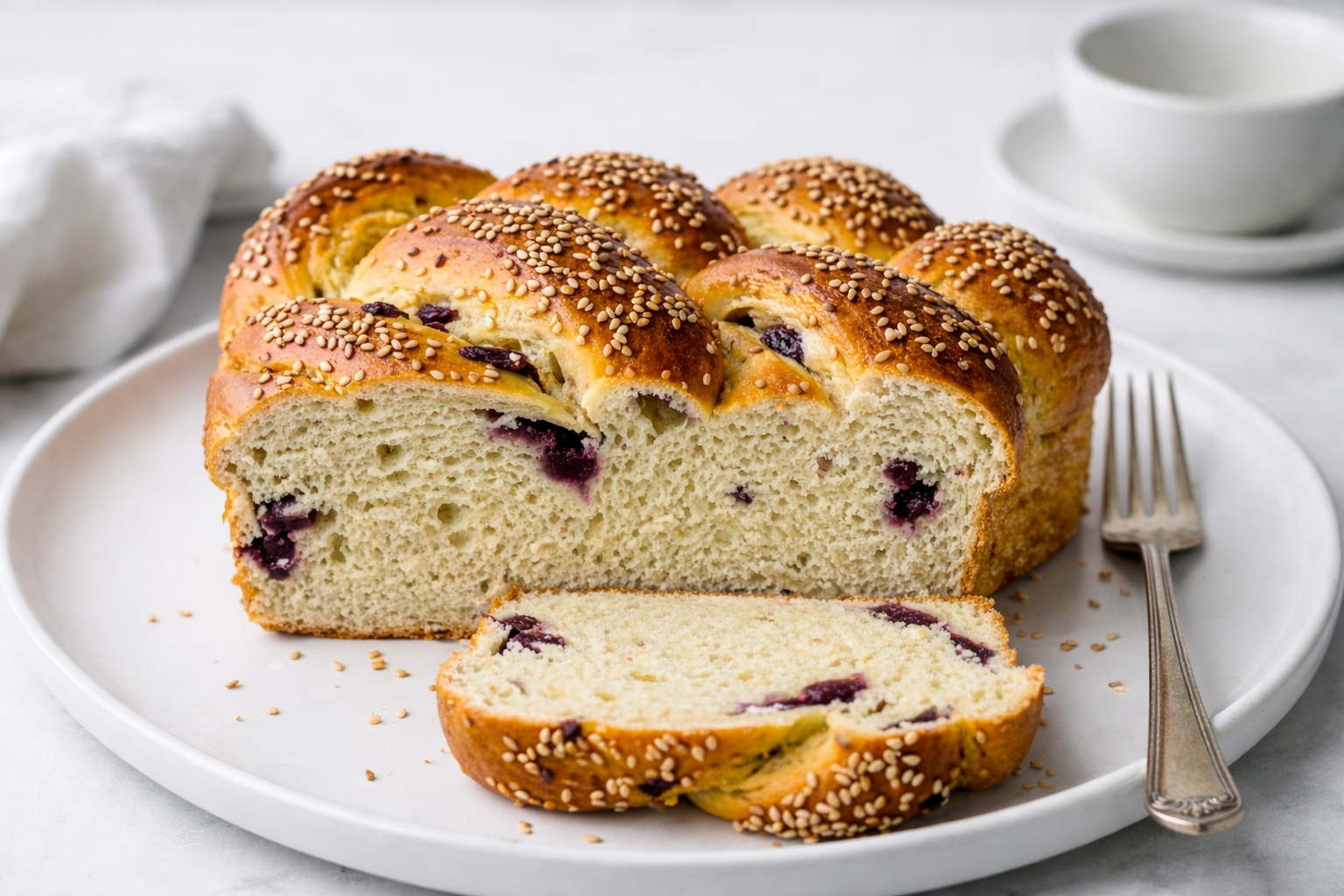
There’s something truly magical about the humble loaf of bread – its warm, golden crust and pillowy interior have been comforting tables for centuries. But what happens when you invite cottage cheese to the party? Enter Cottage Cheese Bread: a soft, tangy twist on the classic loaf that transforms everyday baking into an extraordinary experience. This delightful fusion not only adds a moist, tender crumb but also infuses a subtle tang that dances on the palate, striking the perfect balance between familiar and unexpected. Whether toasted for breakfast or sliced for a hearty sandwich, cottage cheese bread offers a refreshing reinvention of tradition, inviting bakers and bread lovers alike to savor a slice of creamy, flavorful innovation.
Cottage cheese bread is a delightful fusion of creamy tanginess and soft crumb that transforms the humble loaf into a memorable experience. This unique bread combines the rich, velvety texture of cottage cheese with a subtle tang, creating a moist and tender bite that lingers pleasantly on the palate. Originally inspired by Eastern European baking traditions, this recipe elevates everyday bread with an unexpected twist-perfectly balancing comfort and a gourmet flair.
Prep and Cook time
- Preparation: 20 minutes
- rise Time: 1 hour 30 minutes
- Baking: 35 minutes
- Total Time: Approximately 2 hours 25 minutes
Yield
one 9×5 inch loaf, serving 8 slices-ideal for breakfasts, sandwiches, or a tangy snack on its own.
Difficulty Level
Easy to Medium: suitable for bakers with basic yeast bread experience, plus a bit of enthusiasm to explore new flavors and textures.
Ingredients
- 1 ½ cups whole milk, warmed to 110°F
- 1 packet (2 ¼ tsp) active dry yeast
- 1 cup cottage cheese, drained well
- 3 ½ cups all-purpose flour, sifted
- 1 tbsp granulated sugar
- 1 tsp kosher salt
- 2 tbsp unsalted butter, softened
- 1 large egg (optional, for brushing)
Instructions
- Activate the yeast: In a small bowl, combine the warmed milk and sugar. Sprinkle the yeast over the top and stir gently. Let it stand for 5-10 minutes until frothy and bubbly-this signals that the yeast is alive and active.
- Prepare the dough base: In a large mixing bowl, whisk together the cottage cheese and softened butter until smooth. Add the yeast mixture and stir to combine.
- Mix dry ingredients: Slowly add the sifted flour and salt to the wet mixture, stirring with a wooden spoon or spatula. Onc the dough starts coming together, transfer it to a lightly floured surface.
- Knead the dough: Knead for 8-10 minutes, until the dough is smooth, elastic, and slightly tacky but not sticky. If it clings too much, sprinkle with a little more flour, being careful not to add too much to avoid a dense outcome.
- First rise: Place the dough in a greased bowl,cover it with a clean kitchen towel or plastic wrap,and let it rise in a warm spot for about 1 hour or until doubled in size.
- Shape the loaf: Gently punch down the dough to release air bubbles. Form it into a smooth, oblong shape and place it into a greased 9×5 inch loaf pan. Cover and allow it to rise again for about 30 minutes or until puffed.
- Preheat the oven: Set at 375°F (190°C) while the dough is undergoing its second rise.
- Optional egg wash: For a golden, glossy crust, whisk the egg with a tablespoon of water and brush it lightly over the loaf just before baking.
- Bake the bread: Place the loaf in the oven and bake for 30-35 minutes. It should be golden brown and sound hollow when tapped at the bottom.If the crust browns too fast, cover loosely with foil during the last 10 minutes of baking.
- Cool and enjoy: Remove the loaf from the pan and cool on a wire rack.Allowing it to cool completely ensures clean slicing and preserves that perfect soft crumble.
Tips for success
- Drain the cottage cheese thoroughly using cheesecloth or a fine mesh strainer to avoid excess moisture that can make the dough too wet.
- Choose whole milk for richer flavor and more tender crumb; substitute with buttermilk for extra tanginess.
- use sifted flour to prevent clumps and help aerate the dough for a softer texture.
- For seedy texture, add ¼ cup whole flaxseeds or sunflower seeds during kneading for a nutty crunch.
- Store leftovers tightly wrapped in plastic or foil to retain moisture. Refresh slices by warming briefly in a toaster or oven.
Creative Serving ideas to Elevate Your Soft tangy Loaf
The unique texture and flavor of this cottage cheese bread make it versatile in any meal. Try slicing it thick for an elegant brunch, toasted and topped with smashed avocado, a sprinkle of chili flakes, and a drizzle of extra virgin olive oil for a simple yet vibrant start. Its soft tang is a perfect counterpoint to silky cream cheese and smoked salmon or complement a warm bowl of tomato basil soup.
For lunch, layer thin slices with roasted turkey, fig jam, and arugula for a sophisticated sandwich that balances savory and sweet. Garnish with fresh herbs like dill or chives to amplify freshness.
Don’t forget to serve with a side of butter whipped with honey and lemon zest-this enhances the subtle tanginess and adds a luxurious finish to each bite.
A visually stunning presentation involves using a serrated knife to create thick, even slices, arranged on a wooden board alongside colorful cheeses, ripe cherry tomatoes, and olives-inviting guests to create their own flavor combinations.



| Nutrient | Per Slice (1/8 loaf) |
|---|---|
| Calories | 160 kcal |
| Protein | 7 g |
| Carbohydrates | 22 g |
| Fat | 4 g |
Discover more artisanal bread recipes in our Homemade Artisan Breads collection and expand your baking repertoire.
For deeper insights into the science of yeast and dough fermentation, consult King Arthur Baking’s guide to baking science.

Q&A
Q&A: Cottage Cheese Bread – A Soft, Tangy Twist on the Classic Loaf
Q1: What is cottage cheese bread, and how does it differ from conventional bread?
A: Cottage cheese bread is a delightful variation on the classic loaf that incorporates creamy cottage cheese into the dough. This addition transforms the texture, making the bread exceptionally soft and tender, while the natural tanginess of cottage cheese adds a subtle, refreshing flavor punch. Unlike traditional bread, which relies mainly on flour, water, yeast, and salt, cottage cheese bread introduces dairy richness that elevates both taste and moisture.
Q2: Why add cottage cheese to bread dough?
A: Cottage cheese brings multiple benefits to bread. Its creamy moisture keeps the crumb soft and helps the bread stay fresh longer. The mild tanginess adds depth to the flavor profile without overpowering the loaf, giving it a unique twist compared to plain white or wheat bread. Plus, cottage cheese’s protein content contributes to a richer, more satisfying bite.
Q3: Does the cottage cheese affect the bread’s rise or texture?
A: Yes, it does - in a delightful way! The moisture and fat content in cottage cheese tenderize the dough, leading to a softer crumb. However, because it adds extra moisture, it can make the dough a bit stickier, requiring some adjustment in handling. As for the rise, the lactic acid bacteria in cottage cheese can subtly influence yeast activity, sometimes enhancing the bread’s lift and creating a delicate, airy structure.
Q4: Is cottage cheese bread suitable for all types of bread recipes?
A: Cottage cheese works best in soft, enriched breads – think sandwich loaves, dinner rolls, or soft buns. Its delicate tang complements the mild flavors of these breads beautifully. However,it’s less commonly used in crusty artisan loaves or lean doughs like baguettes because the softening effect of the cheese would counter the desired chewy,crisp texture typical of those styles.Q5: Can I use low-fat or flavored cottage cheese?
A: Low-fat cottage cheese is certainly an option and will still provide moisture and some tanginess, though the bread might be slightly less rich. As for flavored or heavily salted cottage cheese, it’s best to avoid these, as added herbs or spices can overpower the bread’s flavor, and excess salt can interfere with yeast activity. Plain, full-fat cottage cheese usually yields the best results.
Q6: How should I store cottage cheese bread to keep it fresh?
A: Because cottage cheese bread contains dairy, it tends to stay moist longer but can also spoil faster if left at room temperature too long. Store the bread in a breathable bread bag or a loosely closed container at room temperature for 2-3 days. For longer storage, wrap it tightly and freeze; then thaw at room temperature when ready to enjoy.
Q7: What are some creative ways to enjoy cottage cheese bread?
A: The soft texture and slight tang make it perfect for breakfast spreads,sandwiches,and even French toast! Try it toasted with honey and fruit preserves,layered with smoked salmon and cream cheese,or simply slathered in butter for an irresistible treat. Its versatile flavor also pairs well with savory toppings like avocado and tomato or sweet combinations like cinnamon and sugar.
Cottage cheese bread isn’t just a loaf – it’s a fresh, flavorful twist that breathes new life into your baking. Soft,tangy,and utterly comforting,it’s sure to become a favorite on your kitchen counter. Ready to bake? Let the creamy magic begin!
Future Outlook
Whether you’re a seasoned baker or a kitchen adventurer, cottage cheese bread offers a delightful detour from the ordinary loaf. its tender crumb and subtle tang bring a fresh personality to your bread basket,inviting endless possibilities-from savory sandwiches to cozy toasts. Next time you crave that comforting slice with a twist, remember this soft, tangy creation that marries tradition with a dash of dairy-inspired charm. Dive in, bake bold, and let cottage cheese bread redefine your love for homemade goodness.