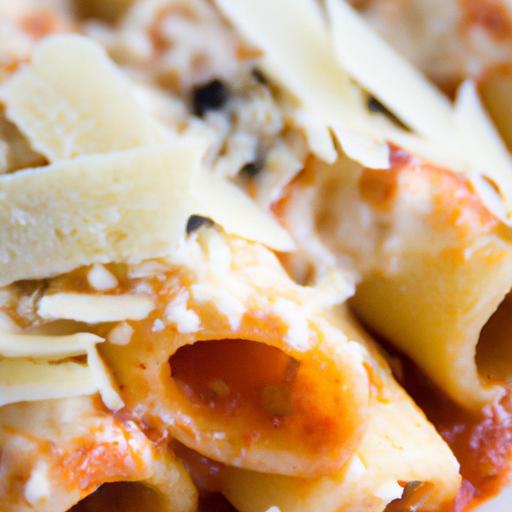

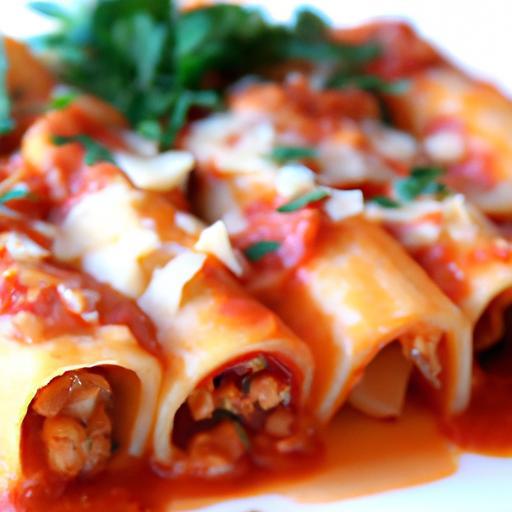
Silken tubes of tender pasta, lovingly filled and baked to golden perfection-cannelloni has long held a cherished place on tables around the world. But beyond its delightful taste and comforting texture lies a rich history intertwined with Italian culinary tradition and innovation.In this article, we’ll journey through the origins of cannelloni, explore classic and inventive recipes, and share expert tips to elevate your homemade creations. Whether you’re a seasoned cook or a curious foodie, prepare to discover the stories and secrets behind this beloved pasta that transforms simple ingredients into a feast of flavor.
Cannelloni pasta is a timeless Italian classic that has evolved beautifully through the ages, captivating food enthusiasts with its delicate tubular shape and versatile fillings. Originating from the Emilia-romagna region, cannelloni was historically crafted by stuffing fresh pasta sheets rolled into elegant cylinders, often filled with a rich blend of ricotta and spinach or savory meat mixtures. Today, it represents the perfect canvas for both traditional and inventive recipes alike-each bite bursting with comforting, layered flavors wrapped in tender pasta.
Prep and Cook Time
Preparation: 30 minutes | Cooking: 40 minutes | Total: 1 hour 10 minutes
Yield
Serves 6 generous portions
Difficulty Level
Medium – Ideal for home cooks looking to impress with classic italian flair
Ingredients
- 12 cannelloni tubes (dried or fresh)
- 2 cups ricotta cheese,well-drained
- 1 cup cooked spinach,finely chopped and squeezed dry
- 1 cup shredded mozzarella cheese,divided
- 1/2 cup grated Parmesan cheese
- 1 large egg,lightly beaten
- 1/2 teaspoon nutmeg,freshly grated
- 1/2 teaspoon salt
- 1/4 teaspoon black pepper,freshly ground
- 2 cups homemade or quality store-bought marinara sauce
- 2 tablespoons olive oil
- 1 clove garlic,minced (optional)
- Fresh basil leaves for garnish
Instructions
- Preheat your oven to 375°F (190°C). lightly grease a 9×13-inch baking dish with olive oil to prevent sticking.
- In a medium bowl, combine ricotta cheese, chopped spinach, half the mozzarella, Parmesan, beaten egg, nutmeg, salt, and pepper. Mix until smooth and well incorporated. This mixture should be creamy but firm enough to hold shape when stuffed.
- If using dried cannelloni tubes, cook them according to package directions until just al dente (firm but pliable). Drain and rinse under cold water to stop cooking. For fresh pasta,no pre-cooking is required.
- Using a small spoon or piping bag, gently fill each cannelloni tube with the ricotta-spinach mixture. Fill to the top but avoid overstuffing to prevent bursting during baking.
- Spread 1 cup of marinara sauce evenly over the bottom of the prepared baking dish. Arrange filled cannelloni neatly in a single layer.
- Pour remaining marinara sauce over the cannelloni tubes,making sure each is covered to keep the pasta moist throughout baking.
- Sprinkle remaining mozzarella cheese evenly on top for a golden, bubbly finish.
- Cover the baking dish with foil and bake for 30 minutes. Remove the foil and bake an additional 10 minutes, or until the cheese is melted and bubbly with a light golden crust.
- Allow cannelloni to rest for 5 minutes before serving.Garnish with fresh basil leaves and a drizzle of extra-virgin olive oil for a fragrant, colorful finish.
Tips for Success
- make Ahead: Prepare the filling and assemble cannelloni a day in advance. cover well and refrigerate. Bake just before serving, adding a few extra minutes to cook through.
- Filling Variations: Swap spinach with sautéed mushrooms, Italian sausage, or a butternut squash purée for exciting flavor twists.
- Prevent Overcooking: If using dried tubes, undercook slightly so thay finish cooking in the sauce, avoiding mushy pasta.
- Cheese Choices: For extra creaminess, blend ricotta with mascarpone or add chopped fresh herbs like parsley and oregano.
- Sauce Selection: A light béchamel or a creamy tomato basil sauce provides a luxurious alternative to marinara.
Serving Suggestions
Present your cannelloni on a wide, shallow dish. Add a garnish of fresh torn basil leaves or a sprinkle of grated Parmesan. Pair with a crisp green salad dressed in lemon vinaigrette and warm, crusty garlic bread for a complete, memorable feast. A glass of medium-bodied Chianti or your favorite italian red wine complements the richness beautifully.
| Nutrient | Per Serving |
|---|---|
| Calories | 410 kcal |
| Protein | 22 g |
| Carbohydrates | 38 g |
| Fat | 15 g |

Discover more authentic Italian pasta recipes and cooking tips in our italian pasta collection. For deeper insights into pasta history, visit La Cucina Italiana’s Pasta History.

Q&A
Q&A: Cannelloni Pasta – History, recipes, and Appetizing Tips
Q1: What exactly is cannelloni pasta?
A1: Cannelloni are large, tubular pasta shells traditionally made from durum wheat and water. Their name comes from the Italian word “cannello”, meaning “little tube.” These hollow tubes are perfect for stuffing with a variety of fillings, from rich meats to creamy cheeses and vibrant vegetables, making them a beloved staple in italian cuisine.
Q2: Where did cannelloni originate?
A2: Cannelloni hail from Italy, notably the Campania region, where hearty, stuffed pastas are celebrated dishes. While exact historical records are sparse, the concept of stuffed pasta dates back to Medieval times. Over centuries, cannelloni evolved into the signature rolled or tubular stuffed pasta we enjoy today, embodying rustic Italian comfort food.
Q3: What are some classic fillings used in cannelloni?
A3: The classic filling is a savory mixture of ricotta cheese, spinach, and parmesan, often seasoned with nutmeg and black pepper. Meat lovers tend to favor a rich ragù made from ground beef or pork, slow-cooked with tomatoes, garlic, and herbs. For a vegetarian twist, grilled vegetables, mushrooms, or pumpkin blended with creamy cheeses also shine beautifully inside these pasta tubes.
Q4: how do you prepare cannelloni if you buy them dried?
A4: If using dried cannelloni tubes, they usually require pre-cooking or soaking in hot water until pliable – this helps prevent dry pasta after baking. Alternatively, some modern recipes call for filling uncooked sheets of fresh pasta, rolling them tightly, and baking them in a generous bath of sauce, which steams the pasta perfectly during cooking.
Q5: What sauces pair best with cannelloni?
A5: Rich tomato-based sauces, like marinara or a slow-simmered ragù, complement meat-filled cannelloni splendidly. Creamy béchamel (white sauce) is the classic choice for cheese or vegetable fillings, introducing a velvety texture and subtle richness. Sometimes, a sprinkle of molten mozzarella or a grating of aged parmesan on top adds the perfect finishing touch.
Q6: Any tips for making cannelloni at home?
A6: Absolutely! First, don’t be afraid to customize your filling-blend textures and flavors creatively. When stuffing, be gentle to avoid tearing the pasta. Use plenty of sauce to keep the pasta moist throughout baking; this also prevents the dreaded crustiness on top. Lastly, cover your dish with foil during most of the baking to trap steam, then uncover towards the end for a golden, bubbly finish.Q7: Can cannelloni be made gluten-free or vegan?
A7: Certainly! gluten-free versions use alternative flours like rice or chickpea flour for the pasta.For vegan cannelloni, swap ricotta with tofu or cashew-based cheeses, and replace béchamel with a plant-based creamy sauce, such as one made from blended cauliflower or cashews. With thoughtful substitutions, everyone can enjoy this Italian delight.
Q8: How does cannelloni differ from similar stuffed pastas like manicotti or lasagna?
A8: While all three involve layers or fillings, their shapes and preparation differ. Cannelloni are usually tubular pasta stuffed and baked, whereas manicotti tend to be slightly larger tubes common in american adaptations but similar in concept. Lasagna, on the other hand, is wide, flat sheets layered with sauce, cheese, and fillings rather than stuffed individually.
Q9: What makes cannelloni such a comforting dish worldwide?
A9: Cannelloni combines tender pasta with indulgent fillings and luscious sauces-a trifecta of textures and flavors that evoke warmth and home-cooked love. Its versatility allows endless creativity, making it perfect for family dinners, celebrations, or cozy nights in. Every bite is a celebration of Italian culinary artistry steeped in history.
Q10: Where can I find authentic cannelloni if I don’t want to make it myself?
A10: authentic cannelloni can be found at traditional italian restaurants, specialty delis, or Italian markets. Many places offer freshly made versions with homemade sauces and fillings. Alternatively, some gourmet stores carry pre-prepared frozen cannelloni, ready to bake at home with ease-ideal for savoring that classic taste on a busy night!
Dive into the world of cannelloni and you’ll discover more than just pasta-you’ll experience tradition, creativity, and comfort all rolled into one delectable tube.
In Summary
As you roll up your sleeves and prepare to fill those delicate cannelloni tubes, remember that you’re not just crafting a meal-you’re partaking in a culinary tradition centuries in the making. From its humble beginnings to its modern-day reinventions, cannelloni embodies the spirit of Italian cuisine: simple ingredients transformed through patience, passion, and a touch of creativity. Whether you choose a classic ricotta-and-spinach filling or dare to experiment with bold flavors and textures, each bite tells a story worth savoring. So, next time you bake that golden, bubbling dish from the oven, take a moment to appreciate the rich history and endless possibilities wrapped inside every tube of cannelloni. Buon appetito!