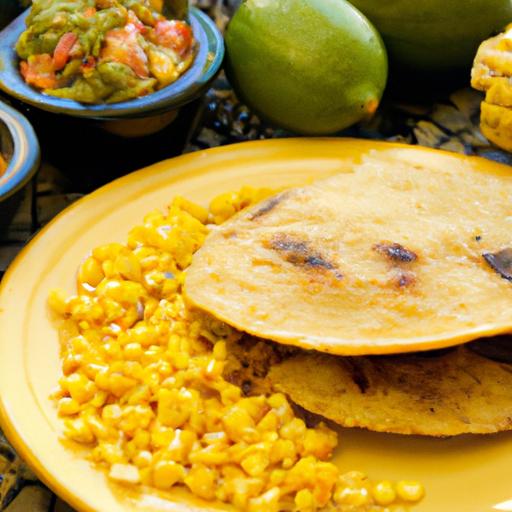

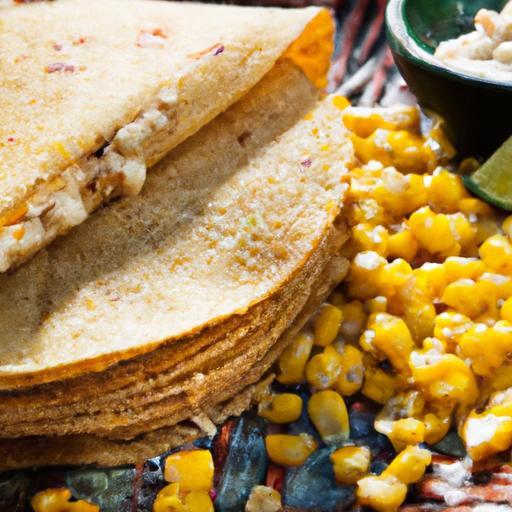
Nestled at the crossroads of history and flavor, the humble corn tortilla stands as a vibrant emblem of Mexican culture and culinary tradition. More than just a simple flatbread, it is a living thread woven through centuries of indigenous heritage, agricultural ingenuity, and communal celebrations. From bustling street markets to family dinner tables, the corn tortilla carries with it stories of resilience and identity-transforming humble maize into the very heart and soul of conventional Mexican cuisine. In exploring this unassuming yet indispensable staple, we uncover not only the ingredients and techniques that shape it but also the rich cultural tapestry it continues to nourish with every warm, golden bite.
Mastering the Art of Making Fresh Corn Tortillas at Home
Corn tortilla is a timeless culinary treasure deeply woven into the fabric of Mexican heritage. Crafting fresh corn tortillas at home unlocks a sensory journey that connects you to an ancient tradition, filling your kitchen with the warm, earthy aroma of nixtamalized corn.Beyond being just a staple, these delicate rounds offer an unmatched softness and flavor that store-bought versions rarely capture. Whether you’re a seasoned cook or a curious beginner, mastering this art will elevate your thankfulness for authentic Mexican cuisine and delight your taste buds with every bite.
prep and Cook Time
- Planning: 10 minutes
- Cooking time: 20 minutes
- total time: 30 minutes
Yield
Makes approximately 12 fresh corn tortillas
Difficulty level
Medium - requires some practice to perfect the thickness and texture
Ingredients
- 2 cups masa harina (corn flour specially treated with lime)
- 1 ¼ cups warm water
- ½ teaspoon fine sea salt
- Optional: a tablespoon of vegetable oil for softer tortillas
Instructions
- Combine masa harina and salt: In a large mixing bowl, whisk the masa harina with salt until evenly distributed.
- Add warm water gradually: Slowly pour in the warm water while mixing with your hands or a spoon until a soft dough forms. It shoudl feel like playdough, moist but not sticky.If to dry, add a teaspoon more water.
- Rest the dough: Cover the bowl with a damp cloth and let the dough rest for 15 minutes. This hydration step is crucial for pliability.
- Divide the dough: Roll the dough into golf ball-sized portions,about 1 ½ inches in diameter. Keep the balls covered with a damp towel to prevent drying.
- Press the tortillas: use a tortilla press lined with parchment paper or plastic wrap to flatten each ball into a thin, even 6-inch circle. Alternatively, use the bottom of a heavy skillet.
- Cook the tortillas: Heat a cast-iron skillet or nonstick pan over medium-high heat. Cook each tortilla for about 30 seconds on the first side until it starts to brown with some spots, then flip and cook an additional 30 seconds. Flip once more if needed to puff up the tortilla slightly.
- Keep warm: Stack cooked tortillas in a clean kitchen towel inside a tortilla warmer or wrapped in foil to maintain softness until serving.
Tips for Success
- Adjust masa harina brand: Different brands absorb water differently, so always add water slowly and watch the dough’s consistency closely.
- Use a tortilla press: This ensures even thickness and round edges, but a rolling pin is an excellent substitute.
- Cooking temperature: If the skillet is too hot,tortillas will burn without cooking through; too low and they dry out. Adjust accordingly.
- Make-ahead: Dough can be refrigerated overnight, tightly wrapped in plastic and covered with a damp cloth. Let dough come back to room temperature before shaping.
- Freeze extra tortillas: Stack with parchment in between, wrap airtight, and freeze. Reheat wrapped in a damp towel or on a skillet.
Serving Suggestions
The fresh corn tortillas shine brightest as vessels for traditional Mexican fillings. Use them to cradle juicy carnitas, tender carne asada, or smoky grilled vegetables. For an herby twist, brush lightly with melted butter and sprinkle chopped fresh cilantro and a squeeze of lime before serving. garnish with crumbled queso fresco or a dollop of creamy guacamole to add layers of texture and flavor. Place a small bowl of fiery salsa verde or smoky chipotle to one side, inviting guests to customize their bites.Their soft, warm embrace complements everything from simple beans to festive mole sauces.
| Nutrient | Per Tortilla (approx.) |
|---|---|
| Calories | 70 kcal |
| Protein | 2 g |
| Carbohydrates | 15 g |
| Fat | 0.5 g |
For more authentic Mexican recipes that pair beautifully with fresh corn tortillas, explore our Traditional Mexican Dishes Guide. To deepen your knowledge of corn’s rich history, visit The National Museum of the American Indian.

Q&A
Q&A: Corn Tortilla – The Heart of Traditional Mexican Cuisine
Q1: What makes the corn tortilla so essential to Mexican culture?
A1: The corn tortilla isn’t just food-it’s a cultural emblem woven into Mexico’s history. For thousands of years, indigenous peoples cultivated maize as a sacred crop, and the tortilla became their edible canvas.Today, it embodies tradition, sustenance, and communal identity, connecting modern Mexicans to their ancestors with every warm, pliable bite.
Q2: How is a traditional corn tortilla made?
A2: The process starts with nixtamalization-soaking dried corn kernels in an alkaline solution, usually limewater. This ancient technique transforms the corn,enhancing its flavor,nutrition,and texture. The softened corn, now called nixtamal, is ground into masa dough, shaped into thin rounds, and cooked on a flat griddle called a comal. The result? A tender, slightly smoky tortilla that’s both simple and profound.
Q3: Why is corn preferred over other grains for tortillas?
A3: Corn holds a sacred status in Mexican heritage, seen as a gift from the gods. Nutritionally, it offers a unique blend of fiber, vitamins, and minerals once processed through nixtamalization. Unlike wheat, corn tortillas have a distinct texture and flavor that perfectly complement the vibrant, bold ingredients of Mexican cuisine-from smoky chipotle to fresh cilantro.
Q4: How do corn tortillas shape Mexican culinary traditions?
A4: Corn tortillas are the foundation of countless classic dishes-tacos, enchiladas, quesadillas, and chilaquiles among them. They act as edible vessels, carrying rich fillings and sauces. Beyond their functional role, they symbolize sharing and hospitality, often made in homes and markets where family and community gather.
Q5: Are corn tortillas still relevant in modern Mexican cuisine?
A5: Absolutely. While global tastes evolve, the corn tortilla remains a beloved staple. Chefs both in Mexico and worldwide honour its heritage by experimenting with traditional and contemporary fillings, fusion concepts, and artisanal masa production. It’s a timeless food that continually reinvents itself without losing its heart.
Q6: Can you eat corn tortillas if you’re gluten-intolerant?
A6: Yes! Corn tortillas are naturally gluten-free, making them a safe and tasty option for those with gluten sensitivities or celiac disease.Their rise in popularity also stems from this dietary advantage, broadening their appeal beyond Mexican cuisine aficionados.Q7: What’s the best way to enjoy a corn tortilla?
A7: Fresh, warm off the comal is ideal-soft, slightly toasted, and fragrant. Whether wrapped around savory fillings like carnitas or beans, or dipped in salsas and guacamole, the corn tortilla is a versatile delight. Pair it with a squeeze of lime or a sprinkle of queso fresco for an authentic mexican taste experiance.
Embracing corn tortillas is more than savoring a tasty treat-it’s a journey into the soul of Mexican heritage, a festivity of resilience, flavor, and the simple magic of maize turned edible tradition.
Wrapping Up
As the aroma of freshly toasted corn tortillas fills the air, it becomes clear why this humble staple holds such a cherished place at the heart of traditional Mexican cuisine. More than just a vehicle for fillings, the corn tortilla is a living link to centuries of culture, craftsmanship, and community. From the nixtamalization process that transforms kernels into dough, to the skilled hands that shape each round disc, every tortilla tells a story-a story of resilience, tradition, and flavor. So the next time you savor a warm corn tortilla, remember you are tasting a piece of history, a symbol of Mexico’s vibrant culinary soul, and the enduring heartbeat that unites generations around the table.