

Beneath the soil’s quiet surface and tucked within the folds of fruit lie nature’s most unassuming marvels: seeds. These tiny powerhouses harbor the incredible potential to ignite life, transform landscapes, and sustain ecosystems across the globe. though often overlooked, seeds are masterful architects of growth, carrying within them the blueprint of entire plants, the promise of future forests, and the sustenance for countless species.In this exploration, we uncover the engaging world of seeds-revealing their hidden strengths, intricate designs, and vital roles in the circle of life. Join us as we delve into these miniature miracles that, though small in size, hold the grandest power of all: the power to create and renew.
Seeds Uncovered harbor an astounding array of biological marvels,acting as nature’s compact vaults brimming with life and nourishment. From their intricate survival strategies to their dense nutritional profiles, these tiny entities embody resilience and vitality, essential for both culinary creativity and enduring gardening.In this recipe post, we dive into the heart of seeds – not just as ingredients, but as living capsules waiting to transform your kitchen and garden alike.
Prep and Cook Time
- Planning: 15 minutes
- Cooking/Activation: 30 minutes (sprouting or roasting)
- Total Time: 45 minutes
yield
- Yields approximately 4 servings as a nutritious seed salad or side dish
Difficulty Level
- Easy – Perfect for beginners eager to explore the power of seeds
Ingredients
- 1/2 cup mixed raw seeds (pumpkin, sunflower, chia, flax)
- 1 cup filtered water (for soaking)
- 1/4 cup fresh sprouts (optional, like alfalfa or broccoli sprouts)
- 1 tbsp extra virgin olive oil
- 1 tbsp lemon juice
- 1 tbsp chopped fresh herbs (cilantro, parsley, or basil)
- Salt and freshly cracked black pepper to taste
- 1 tsp toasted sesame seeds (for garnish)
Instructions
- Soak the mixed seeds: Place the mixed raw seeds in a bowl and cover with filtered water. Soak for 4-6 hours or overnight. This activates enzymes and reduces antinutrients, unlocking their full nutritional potential.
- Rinse and drain: After soaking, drain the water and rinse the seeds thoroughly. Use a fine mesh sieve to ensure no excess water remains.
- Sprout or lightly roast: for optimal survival tactics emulation, sprouting seeds mimics natural growth. place rinsed seeds in a sprouting jar, rinsing twice daily for 2-3 days until tiny shoots emerge.Alternatively, spread seeds on a baking sheet and roast lightly at 300°F (150°C) for 10 minutes for a nutty flavor.
- Prepare dressing: In a small bowl, whisk together olive oil, lemon juice, chopped herbs, salt, and pepper until emulsified. Adjust seasoning to your taste.
- Combine and toss: In a serving bowl, gently mix the sprouted or roasted seeds with the dressing and fresh sprouts, if using. This interplay of fresh and toasted flavors brings depth and texture.
- Garnish and serve: Sprinkle toasted sesame seeds on top just before serving to add a crunchy finish and visual contrast.
Chef’s Notes & Tips for Success
- Seed selection: Choose organic, raw seeds without additives for the purest taste and maximum health benefits aligned with nature’s design.
- Sprouting tip: Ensure proper drainage after rinsing to avoid mold growth. Sprouting is a perfect way to enhance enzyme availability and digestibility.
- Roasting alternative: Light roasting increases the nutty aroma but slightly reduces some heat-sensitive nutrients. Adjust based on personal preference.
- Make-ahead: The sprouted seed salad can be prepared a day in advance but add the dressing and garnish only before serving for freshness.
- Customization: Incorporate toasted nuts, pomegranate seeds, or diced avocado to elevate flavor layers.
Serving Suggestions
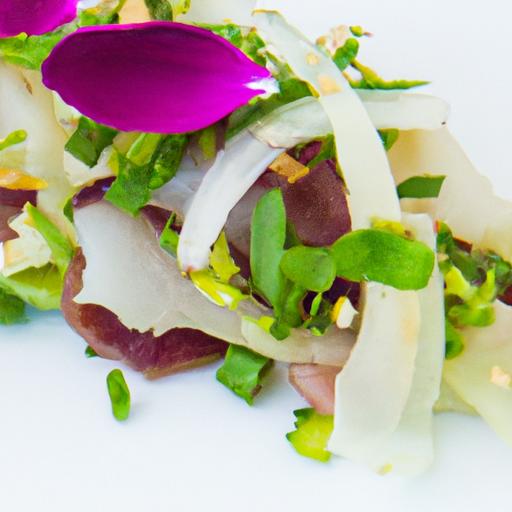
Present this lively seed medley over a bed of fresh greens or quinoa for a wholesome lunch. Drizzle with extra lemon for brightness, and serve with a cradle of warm flatbread or grain crackers. Garnish with edible flowers or microgreens to accentuate the vitality packed within every bite, celebrating these tiny powerhouses of life.
| Nutrient | per Serving |
|---|---|
| Calories | 180 kcal |
| Protein | 7 g |
| Carbohydrates | 10 g |
| Fat | 14 g (mainly healthy fats) |

Discover more insights on growing your own nutritious garden in our Sustainable Gardening Guide. For in-depth research on seed biology and nutrition, visit National Geographic - Seeds Survival Strategies.
Q&A
Q&A: Seeds Uncovered – Nature’s tiny Powerhouses of Life and Growth
Q1: What exactly is a seed, and why is it considered a powerhouse of life?
A seed is nature’s incredible time capsule-a tiny, self-contained package that holds the blueprint for a new plant. Within its protective coat lies an embryo, a food reserve, and all the instructions needed to sprout and grow. Its a powerhouse because it contains the potential for life, growth, and regeneration, ready to burst into action under the right conditions.Q2: How do seeds “know” when it’s the perfect time to grow?
Seeds are like nature’s astute timekeepers.They respond to environmental cues such as moisture,temperature,and light. Some seeds wait through cold winters (dormancy) and only awaken when warmth returns. Others respond to fire or even digestion by animals. This evolutionary wisdom ensures they sprout at the safest, most fertile moment.
Q3: What gives seeds their incredible longevity?
Seeds can be nature’s ultimate survivors. Their longevity comes from a tough outer coating that shields the embryo from damage, pests, and harsh climates. inside, the seed’s metabolism slows to a near standstill, preserving vital nutrients and genetic material until conditions are just right for growth-sometimes even after decades or centuries.



Q4: Why are seeds crucial for biodiversity and ecosystems?
Seeds are the architects of ecosystems. They enable plants to colonize new areas, maintain genetic diversity, and ensure species survival through generations. By spreading through wind, water, or animals, seeds support complex food webs and habitats, sustaining life far beyond their humble size.
Q5: How do humans benefit from seeds beyond agriculture?
Beyond providing staple foods, seeds inspire innovation.They are living libraries for medicine, storing compounds used in pharmaceuticals. Seeds also influence culture, art, and spirituality, symbolizing growth, potential, and renewal. Moreover, seed conservation underpins global food security amid changing climates.
Q6: what fascinating adaptations have seeds evolved for dispersal?
Seeds have evolved impressive strategies to travel far and wide. Some sprout wings or parachutes to catch the wind; others attach sticky hooks to animal fur; some even hitch rides via water currents. These ingenious methods showcase nature’s creativity in ensuring each seed finds its own patch of earth to take root.
Q7: Can we learn anything from seeds about resilience and growth in our own lives?
Absolutely! Seeds teach us that patience, the right environment, and a period of rest can prepare us for tremendous growth. like seeds, we may need to endure hardship quietly, protect our inner potential, and trust that with time and nurturing, we can flourish in ways beyond our current imagining.
This Q&A reveals how seeds, though small, embody a world of wonder-masters of survival, growth, and renewal, essential to life’s grand tapestry.
In Conclusion
As we close the cover on the fascinating world of seeds, we are reminded that these tiny powerhouses are much more then mere specks of dust.Within each seed lies the blueprint of life, a marvel of nature’s engineering quietly waiting for the perfect moment to awaken. From sustaining ecosystems to fueling our food supply, seeds are the unsung heroes of growth and renewal. By understanding their secrets, we deepen our appreciation for the delicate balance of life and the incredible potential packed within these miniature vessels. So next time you hold a seed in your hand, remember-you’re holding the future of life itself.