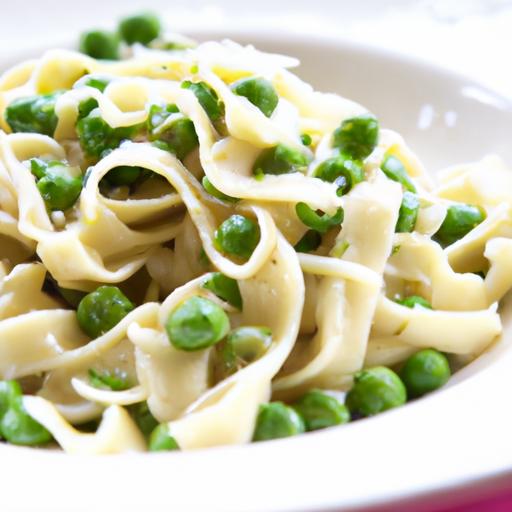

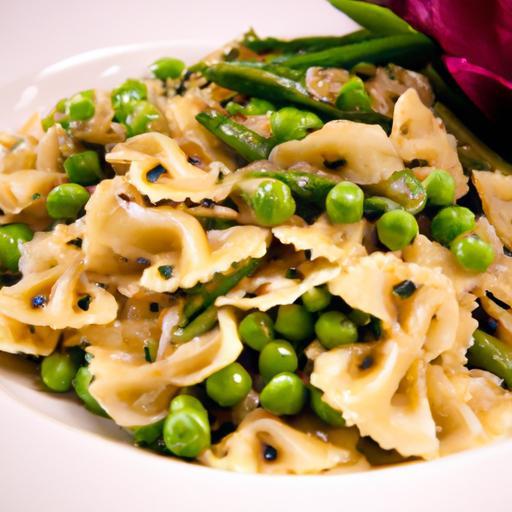
ThereS something undeniably comforting about a warm bowl of pasta-a timeless dish that has graced dining tables across the world for centuries. But what happens when the luminous, verdant sweetness of fresh peas joins the party? Suddenly, this classic comfort food takes on a vibrant new life, marrying simplicity with a burst of fresh flavor and nutrition. In this article, we’ll explore how peas and pasta come together too create a delightful twist-one that’s easy to prepare, pleasing to the palate, and perfect for those seeking a refreshing upgrade to a beloved staple. Get ready to rediscover pasta in a way that’s both familiar and refreshingly new.
Peas and pasta create an inviting harmony of flavor and texture that brightens any meal, making this duo one of the most versatile and satisfying combinations in home cooking. Drawing from both classic Italian inspirations and fresh innovations, using the perfect pea variety can elevate your pasta dish from familiar comfort food to a vibrant culinary delight. Whether you prefer the sweetness of fresh garden peas or the subtle earthiness of shelled fava peas, understanding how these legumes interact with pasta is key to crafting recipes that surprise and delight the palate.
Prep and Cook Time
Readiness: 15 minutes
Cooking: 20 minutes
Total Time: 35 minutes
Yield
Serves 4 generous portions
Difficulty Level
Easy to Medium – perfect for home cooks looking to refresh classic dishes with minimal fuss and maximum impact.
Ingredients
- 12 oz dried linguine or fettuccine pasta
- 2 cups fresh shelled English peas (or substitute with fresh sugar snap peas, trimmed)
- 1 cup frozen petite peas, thawed
- 3 tbsp extra virgin olive oil
- 3 cloves garlic, finely minced
- ½ cup finely grated Parmesan cheese, plus extra for garnish
- Zest of 1 lemon (preferably organic)
- 2 tbsp fresh mint leaves, chiffonade
- 1 tsp lemon juice
- Salt and freshly ground black pepper to taste
- Optional: ¼ cup toasted pine nuts or slivered almonds for crunch
Instructions
- Cook the pasta: Bring a large pot of salted water to boil. Cook the linguine until al dente according to package instructions, usually 8-10 minutes. Reserve 1 cup of pasta water and drain the rest.
- Blanch the fresh peas: While pasta cooks, bring a small pot of water to boil. Add fresh peas and blanch for 2 minutes until tender but bright green. Promptly plunge into ice water to halt cooking. Drain and set aside.
- Sauté the garlic: in a large skillet,heat olive oil over medium heat. Add minced garlic and cook until fragrant, about 1 minute, taking care not to brown it.
- Combine peas and pasta: Add blanched fresh peas and thawed petite peas to the skillet. Toss gently for 2 minutes to warm through.
- Incorporate pasta and seasoning: Add cooked pasta to the skillet, tossing gently. Pour in reserved pasta water a little at a time to create a silky sauce that clings to the pasta.
- Flavor lift: Stir in grated parmesan, lemon zest, lemon juice, and mint. Season generously with salt and pepper. Toss to combine evenly, letting the cheese melt slightly.
- Final touch: Remove from heat. If using,sprinkle toasted pine nuts or almonds over the top for a delightful crunch contrast.
- Serve immediately: Plate the pasta in warmed bowls or on shallow plates, garnishing with extra Parmesan, a drizzle of olive oil, and a sprig of mint.
Tips for Success
- Choosing pea varieties: English peas offer a natural sweetness and tender texture that balances perfectly with fresh herbs and citrus. Sugar snap peas can add a slight crunch and snap, refreshing the mouthfeel.
- Substitutions: Frozen peas are a great year-round alternative to fresh peas; thaw gently to preserve sweetness.
- Make ahead: Prepare the pea mixture and pasta separately. Combine just before serving to prevent sogginess.
- cheese alternatives: Pecorino Romano or Grana Padano may be used instead of Parmesan for a sharper or nuttier flavor.
- Texture balancing: Adding nuts or crispy breadcrumbs on top adds an unexpected dimension to a simple pasta and pea dish.
- Ingredient quality: Use the freshest peas available and high-quality olive oil for brightness and depth.
Serving Suggestions
For an elegant presentation, serve this pasta in shallow white bowls, allowing the vibrant green peas and fresh mint to visually pop. Garnish each plate with a lemon wedge and a light drizzle of extra virgin olive oil. Accompany the dish with a crisp white wine like Pinot Grigio or a sparkling Prosecco to brighten the flavors further. For a heartier meal, add pan-seared chicken breast or lightly grilled shrimp, complementing the pea and pasta combination with a touch of protein.
| Nutrient | Per Serving |
|---|---|
| Calories | 380 kcal |
| Protein | 15 g |
| Carbohydrates | 58 g |
| Fat | 8 g |

For more ways to reinvent conventional meals with fresh produce, check out our seasonal vegetable recipes.To deepen your knowledge about the nutritional benefits of peas and legumes,visit EatRight.org – your trusted resource for evidence-based nutrition advice.
Q&A
Q&A: Peas and Pasta - A Fresh Twist on a Classic Comfort Dish
Q1: What makes the combination of peas and pasta a “fresh twist” on traditional comfort food?
A1: Peas bring a vibrant pop of colour, a subtle sweetness, and a delightful burst of texture that elevates the creamy, hearty nature of classic pasta dishes. This pairing transforms a simple bowl of carbs into a refreshing, lively meal-balancing the familiar comfort with a garden-fresh zest.
Q2: Which types of pasta work best with peas?
A2: Versatile shapes like farfalle, penne, or linguine are ideal as they hold onto the peas and accompanying sauce beautifully. Thier nooks and crannies trap the tender peas, creating a harmonious bite every time.Q3: How do peas enhance the nutritional profile of pasta dishes?
A3: Peas are a powerhouse of plant-based protein, fiber, and essential vitamins like A, C, and K. Adding peas to pasta not only boosts flavor and texture but also ensures you’re getting a well-rounded,nutrient-packed meal that feels indulgent without the guilt.
Q4: Can fresh peas be substituted with frozen peas?
A4: Absolutely! Frozen peas are picked and flash-frozen at peak ripeness, locking in sweetness and nutrients. They’re a convenient pantry staple that can easily be stirred into pasta dishes without sacrificing flavor or texture.
Q5: What kinds of sauces complement peas and pasta best?
A5: Light,creamy sauces like lemon-infused alfredo or garlic and herb olive oil coatings highlight the peas’ natural sweetness without overpowering them. A touch of fresh mint or basil can also enhance the freshness, making each bite sing with springtime brightness.
Q6: Are there any surprising ingredient pairings that work well in peas and pasta dishes?
A6: Yes! Ingredients like crispy pancetta, toasted pine nuts, or even a sprinkle of tangy feta add layers of texture and flavor contrast, turning a simple peas and pasta dish into a gourmet experience.
Q7: what’s a rapid tip for cooking peas perfectly in a pasta dish?
A7: Add peas in the last 2-3 minutes of cooking the pasta or just toss them in the pan when the sauce is nearly done. this keeps them tender yet crisp, preserving their bright green hue and fresh flavor.
Q8: How can peas and pasta be adapted for a vegan or gluten-free diet?
A8: For a vegan twist, swap butter and cheese for olive oil and nutritional yeast or cashew cream. For gluten-free options,use pasta made from rice,corn,or legumes. Peas naturally complement these alternatives beautifully, ensuring flavor never takes a back seat.
Closing Remarks
as the comforting warmth of pasta meets the crisp, vibrant bite of peas, this timeless duo transforms into something wonderfully fresh and inviting. By embracing simple, wholesome ingredients and a sprinkle of culinary creativity, peas and pasta invite us to rediscover the joy of familiar flavors with a bright new viewpoint. Whether served as a hearty weeknight meal or a lightened-up classic for special occasions, this harmonious pairing proves that sometimes, the freshest twists come from the simplest seeds. So next time you reach for your favorite pasta,consider adding a pop of green-because comfort food doesn’t have to be predictable to feel like home.