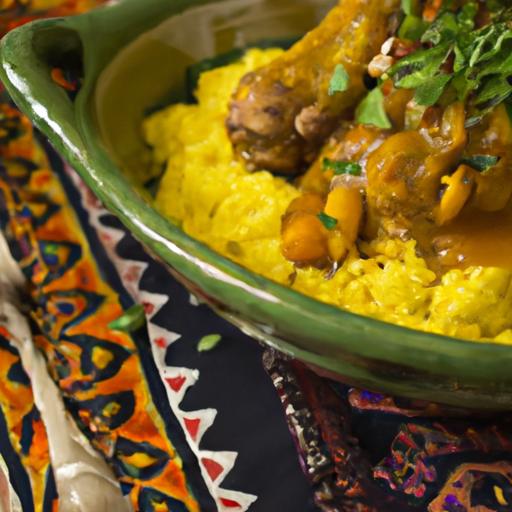

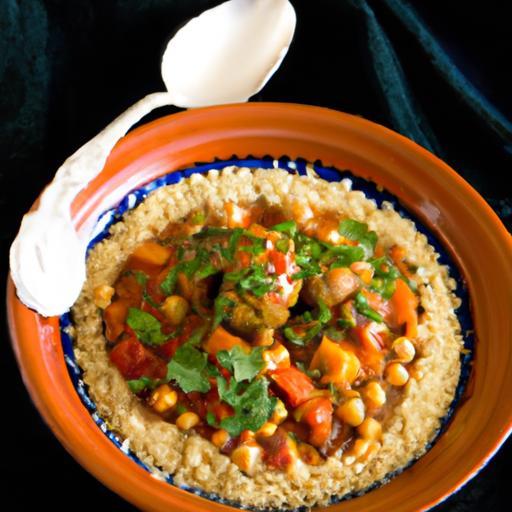
In the heart of Morocco’s vibrant kitchens, where tradition sizzles and spices dance, lies a culinary treasure as captivating as the land itself-the tagine. More then just a cooking vessel, this iconic pot embodies centuries of history, culture, and artistry, transforming humble ingredients into fragrant, slow-cooked masterpieces. Journey with us into the world of tagine treasures, where earthenware meets enchantment, and discover how this timeless Moroccan pot continues to shape the nation’s rich gastronomic tapestry.
Tagine Treasures: Exploring Morocco’s Iconic Culinary Pot
Tagine treasures invite you on a sensory journey deep into Morocco’s rich culinary heritage, where fragrant spices and slow-cooked wisdom blend perfectly in an iconic pot. This conventional earthenware cooking vessel, known for its distinctive conical lid, transforms humble ingredients into a symphony of flavors and textures that have delighted generations. My first encounter with tagine was under the warm Moroccan sun, where the aroma of preserved lemons and tender lamb simmering for hours left an unforgettable impression. Understanding its art and history enriches every cooking adventure, turning each meal into an authentic festivity of Moroccan culture.
Prep and Cook Time
- Preparation: 20 minutes
- Cooking: 1 hour 30 minutes (slow simmer)
- Total Time: 1 hour 50 minutes
Yield
Serves 4 generous portions
Difficulty Level
Medium – ideal for those eager to explore slow-cooked Moroccan cuisine with approachable techniques
Essential Ingredients and Flavor Profiles for Authentic Tagine Dishes
- 2 tbsp olive oil – the rich base for sautéing
- 1 large onion, finely sliced
- 3 garlic cloves, minced
- 1 ½ lbs lamb shoulder, cut into 2-inch cubes
- 1 tsp ground cinnamon – warm, woody spice signature to Moroccan cooking
- 1 tsp ground ginger – adds subtle heat and brightness
- 1 tsp turmeric – earthy and sun-kissed color enhancer
- ½ tsp ground cumin – smoky depth
- 1 tsp paprika - sweet and smoky undertones
- Salt and freshly ground black pepper to taste
- 1 preserved lemon, rinsed and thinly sliced – citrus complexity
- ½ cup green olives, pitted
- 1 cup chicken or lamb broth - creates the perfect moist surroundings for slow cooking
- Fresh cilantro and parsley, chopped for garnish
Choosing the Perfect tagine Pot for Your Culinary Adventures
When selecting a tagine pot, it’s crucial to consider both form and function. Traditional clay tagines offer authentic earthy flavors as the porous material absorbs and redistributes heat slowly and evenly. For beginners, a glazed ceramic tagine with a diffuser base is a practical choice, compatible with modern stovetops while maintaining the classic slow-cook effect. A well-fitting conical lid ensures steam condenses and continually bastes the ingredients, locking in moisture and infusing rich, concentrated aromas.
Instructions for Mastering Traditional Tagine Cooking
- Heat the olive oil in the base of your tagine over medium heat. Add the sliced onions and sauté until translucent, about 5 minutes, stirring gently to avoid sticking.
- Add the minced garlic and cook for 1 minute more, just until fragrant.
- Incorporate the lamb cubes,browning them on all sides for about 7-8 minutes. Browning is vital-it locks in flavor and adds a lovely golden crust.
- Sprinkle in the cinnamon, ginger, turmeric, cumin, and paprika. Stir consistently to coat the meat and onions evenly with the spices, allowing the oils to release thier essence.
- Season with salt and pepper,then add the preserved lemon slices and green olives for a tangy,savory balance.
- Pour in the broth to partially submerge the ingredients without flooding the pot, preserving the tagine’s unique steam-cooking method.
- Cover the tagine with its lid, reduce the heat to low, and allow the dish to simmer gently for 1 hour 20 minutes. Check occasionally, ensuring the stew stays moist but not watery; add a splash more broth if needed.
- When the lamb is tender and the flavors meld beautifully, remove from heat and let the tagine rest briefly before serving.
Tips for Success
- Substitutions: Feel free to swap lamb with chicken thighs or beef chuck for varied flavor and texture.
- preserved lemons: If unavailable, fresh lemon zest with a splash of lemon juice can be a handy option, but the signature aroma will differ.
- Make-ahead: The dish tastes even better the next day! Prepare in advance and gently reheat over low heat.
- For stovetop tagines: Use a heat diffuser to prevent cracks and evenly distribute heat.
Serving Suggestions
Present your tagine treasure over fluffy Moroccan couscous or warm, crusty bread to soak up the fragrant sauce. Garnish with freshly chopped cilantro and parsley for a vivid pop of green and fresh fragrance. A drizzle of good-quality extra virgin olive oil just before serving elevates the aroma and richness. for a festive table, accompany with traditional Moroccan mint tea and marinated vegetables to complete the experience.

| Nutrient | Per Serving |
|---|---|
| Calories | 450 kcal |
| Protein | 38 g |
| Carbohydrates | 8 g |
| Fat | 28 g |
Explore more Moroccan-inspired recipes in our Moroccan Cuisine Exploration series. For in-depth history on traditional cookware, check this Britannica article on the Tagine.

Q&A
Q&A: Tagine Treasures – Exploring Morocco’s Iconic Culinary Pot
Q1: What exactly is a tagine?
A1: A tagine is both a type of Moroccan cookware and the flavorful, slow-cooked stew prepared within it. The pot features a distinctive conical lid, designed to trap steam and return condensed moisture back to the dish, resulting in tender, aromatic meals that burst with flavor.Q2: Where does the tagine originate from?
A2: The tagine’s roots trace back centuries to Berber communities in North Africa. This ingenious cooking method has been passed down through generations, evolving into one of Morocco’s most beloved culinary symbols.
Q3: What makes cooking in a tagine unique?
A3: The magic lies in its shape. The conical lid funnels steam,which keeps ingredients moist while intensifying spices and aromas. Cooking in a tagine is a slow, gentle process that transforms simple ingredients into complex, hearty dishes.
Q4: What kinds of dishes are traditionally made in a tagine?
A4: Tagines can contain a delightful medley of ingredients: tender meats like lamb or chicken, vibrant vegetables, dried fruits such as apricots or prunes, and nuts like almonds or pine nuts.Commonly, dishes include classics like chicken with preserved lemons and olives or lamb with prunes and honey.
Q5: Can you cook in a tagine on any stove?
A5: Traditionally, tagines are used over open flames or coals, but modern cookware versions are made for gas and electric stoves-and some are even oven-safe. Just be sure to use a heat diffuser to prevent cracking and cook slowly for best results.
Q6: Is the tagine more than just a cooking pot in Moroccan culture?
A6: Absolutely! The tagine is a centerpiece of Moroccan hospitality and social life. Sharing a tagine meal is a communal experience, embodying warmth, family bonds, and the rich cultural traditions of Morocco.
Q7: How can someone new to tagine cooking start experimenting at home?
A7: Begin with a simple chicken tagine recipe featuring easy-to-find spices like cumin,cinnamon,and saffron. Use chicken thighs for tenderness, add preserved lemon and olives for authenticity, and cook slowly to capture that signature depth of flavor. And don’t forget to savor the process as much as the final dish!
Q8: Why should food lovers explore tagine cuisine?
A8: Tagine cooking invites you into a world where taste, aroma, and tradition blend seamlessly. It’s not just food; it’s edible storytelling-a celebration of Moroccan heritage that transforms humble ingredients into culinary treasures.
Unlock your own tagine treasure chest and embark on a sensory journey through Moroccan flavors-one slow-cooked, fragrant bite at a time!
To Wrap It Up
As the fragrant steam rises from a simmering tagine, it carries with it centuries of Moroccan tradition, culture, and flavor-an edible tapestry woven from the threads of history and hearth. Whether nestled among bustling souks or shared around a family table, this iconic pot transforms simple ingredients into a symphony of taste, inviting both locals and travelers to savor the soul of Morocco. exploring the tagine is more than a culinary journey; it’s an invitation to slow down,connect,and celebrate a timeless treasure that continues to warm hearts and palates across generations. So next time you see a cone-shaped lid resting quietly on a flame, remember: within lies a story waiting to be discovered, one delicious bite at a time.