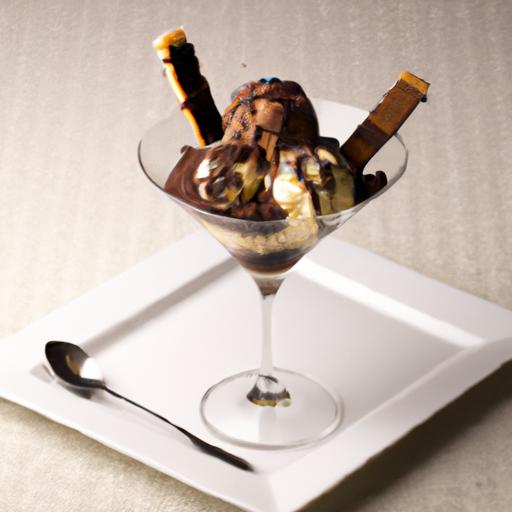

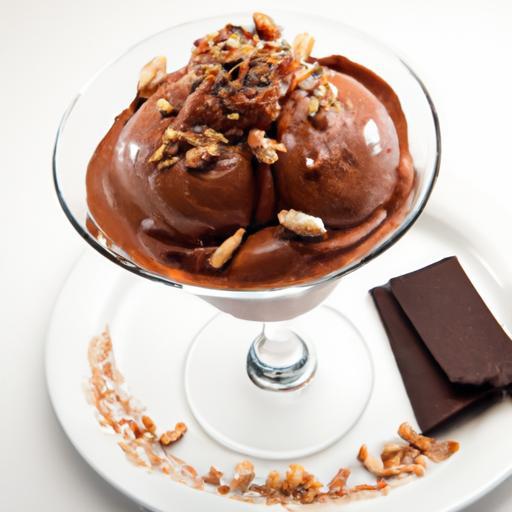
In the realm of frozen indulgence, few treats captivate the senses quite like chocolate ice cream. Its velvety texture adn rich, comforting flavour evoke memories of childhood joy and simple pleasures, yet behind this beloved dessert lies a fascinating world of science. From the delicate dance of cocoa molecules to the precise balance of fat and sugar, the creation of chocolate ice cream is as much a feat of chemistry as it is culinary art. Join us as we delve into the decadent delights of chocolate ice cream, uncovering the scientific secrets that make each scoop a sublime experience for taste buds and texture seekers alike.
decadent delights like chocolate ice cream are a sensory symphony, rooted deeply in the science behind chocolate ice cream. Each luscious scoop carries a balance of cocoa’s complex compounds, revealing layers of flavor that awaken the palate. From the first creamy bite to the lingering bittersweet finish, mastering this craft means understanding the delicate dance between texture, sweetness, and the chemistry of chocolate itself.
Prep and Cook Time
- Preparation: 20 minutes
- Cooking: 15 minutes
- Chilling and Churning: 4 hours
Yield
About 1 quart (4 servings) of indulgent chocolate ice cream
Difficulty level
Medium – Perfect for adventurous home cooks willing to explore science-infused flavor creation.
Ingredients
- 2 cups whole milk
- 1 cup heavy cream
- ¾ cup granulated sugar
- ½ cup unsweetened Dutch-processed cocoa powder
- 4 oz high-quality bittersweet chocolate (70% cacao),finely chopped
- 5 large egg yolks
- 1 tsp pure vanilla extract
- Pinch of fine sea salt
Instructions
- Whisk together the cocoa powder and granulated sugar in a medium saucepan to prevent any clumps.
- Gradually pour in the whole milk while whisking vigorously until smooth and evenly combined.
- Heat the mixture over medium heat, stirring often, until it begins to steam but not boil (around 175°F or 80°C).
- remove from heat and whisk in the finely chopped bittersweet chocolate until fully melted, forming a silky blend rich with cocoa compounds.
- In a separate bowl, beat the egg yolks until pale and slightly thickened.
- Slowly temper the yolks by adding a ladle of the hot chocolate mixture, whisking constantly to prevent curdling.
- Return the tempered yolks gradually to the saucepan, stirring constantly, and cook over low heat until the custard thickens enough to coat the back of a spoon (about 170°F or 77°C). Avoid boiling.
- strain the custard through a fine mesh sieve into a clean bowl to remove any cooked egg bits.
- Stir in the heavy cream,vanilla extract,and sea salt for balanced depth and texture.
- Cover and chill the base thoroughly in the refrigerator for at least 3 hours, enhancing the creamy texture essential for the perfect scoop.
- Churn the mixture in your ice cream maker according to the manufacturer’s instructions until it reaches a soft-serve consistency.
- Transfer the ice cream to an airtight container and freeze for an additional hour to firm up before serving.
Tips for Success
- Use Dutch-processed cocoa to neutralize acidity, which enhances smooth mouthfeel and rich chocolate notes.
- Tempering eggs is crucial-add the warm custard slowly to the yolks to avoid scrambling and ensure a silky texture.
- For an extra creamy bite, substituting half-and-half for some heavy cream softens the fat content without sacrificing lusciousness.
- To intensify bitterness, experiment with varying the bittersweet chocolate percentage between 60%-75%, balancing with sugar accordingly.
- Make ahead: The ice cream base can be refrigerated up to 24 hours before churning, allowing flavors to deepen beautifully.
serving Suggestions
Serve your chocolate ice cream in chilled bowls to maintain its perfect temperature longer. Garnish with a sprinkle of cocoa nibs or a few flakes of sea salt to highlight the bittersweet notes. Fresh berries or a drizzle of warm homemade hot fudge complement the creamy texture marvelously. for a luxurious touch, add a homemade wafer cookie or a dusting of cinnamon to awaken the senses further.

The Science behind Chocolate Ice Cream: Nutritional Snapshot
| Nutrient | Amount per Serving |
|---|---|
| Calories | 320 kcal |
| Protein | 5 g |
| Carbohydrates | 28 g |
| Fat | 20 g |
For a deeper dive into ingredient chemistry and ice cream science, check out our related article on how cream influences texture. Understanding these nuances elevates your mastery of decadent delights and brings the heart of chocolate ice cream closer to every kitchen.
Q&A
Q&A: Decadent Delights – The Science Behind Chocolate Ice Cream

Q1: What makes chocolate ice cream so irresistibly delicious?
A1: At its core, chocolate ice cream is a symphony of fat, sugar, and cocoa solids. The creamy fat from milk and cream melts luxuriously on your tongue, while sugar activates your brain’s pleasure centers. Cocoa provides that bittersweet complexity, containing compounds like theobromine and phenylethylamine that subtly uplift mood and add depth. Together, these ingredients create a multi-sensory experience that’s both comforting and decadent.
Q2: How does science influence the perfect texture of chocolate ice cream?
A2: Texture is all about controlling ice crystal formation. The secret lies in rapid freezing combined with constant churning. This process creates tiny ice crystals that feel smooth rather than gritty. Additionally,emulsifiers and stabilizers help keep fat and water molecules evenly dispersed,ensuring that each bite is creamy and velvety,not icy or crumbly.
Q3: Why does the chocolate flavor taste different in ice cream compared to a chocolate bar?
A3: Temperature dramatically alters flavor perception. Cold temperatures numb your taste buds slightly and mute some aromas, but they also enhance the perception of bitterness and reduce sweetness. Since chocolate ice cream is colder than a chocolate bar, it often tastes richer and more intense in cocoa notes. The dairy fat also carries flavor compounds differently,creating a mellow,rounded chocolate flavor that melts slowly on your palate.
Q4: Can the type of chocolate used affect the final ice cream taste?
A4: Absolutely! Using dark, milk, or even white chocolate fundamentally changes the balance of sweetness, bitterness, and creaminess. Dark chocolate, with its higher cocoa content, delivers intense, slightly bitter flavors and a deeper color. Milk chocolate adds sweetness and a creamy vanilla note, while white chocolate lends buttery richness but no cocoa notes. Artisan ice cream makers frequently enough experiment with single-origin chocolates to highlight unique flavor profiles, from fruity and floral to earthy and smoky.
Q5: What role do emulsifiers play in chocolate ice cream?
A5: Emulsifiers act like skilled mediators between fat and water molecules, which naturally want to separate. In chocolate ice cream,they ensure smooth blending so that fat droplets remain finely dispersed. this results in a creamy texture and uniform flavor distribution, preventing the dreaded icy or greasy mouthfeel.
Q6: How does sugar not just sweeten but also affect the texture of chocolate ice cream?
A6: Sugar lowers the freezing point of the ice cream mixture, meaning the ice cream freezes at a colder temperature and stays softer at typical freezer temperatures. This keeps the ice cream scoopable and creamy rather than rock hard. Plus, sugar enhances the perception of chocolaty richness, balancing out bitterness and adding to the overall mouthfeel.
Q7: Is there any surprising science involved in the way chocolate ice cream melts?
A7: Indeed! Melting is a carefully choreographed molecular dance. The combination of fat globules, sugar crystals, and air bubbles dictates how the ice cream softens in your mouth. Fat slows melting by creating a stable matrix, while sugar’s hygroscopic nature helps retain moisture. The air whipped into the ice cream (overrun) also affects melt rate – more air means lighter texture but faster melting. Mastering this balance delivers that perfect “melt-in-your-mouth” sensation.
Q8: Why do some chocolate ice creams taste more “decadent” than others?
A8: Decadence hinges on richness, complexity, and mouthfeel-all of which depend on ingredient quality and formulation. A higher butterfat content, premium cocoa with robust flavor compounds, and the right balance of sugar and emulsifiers create that indulgent sensation. Additionally, subtle touches like a hint of vanilla, espresso, or sea salt can amplify the chocolate’s flavor, elevating the experience from ordinary to sublime.
In essence, every spoonful of chocolate ice cream is a delicious masterpiece shaped by chemistry, physics, and even psychology-a true decadent delight crafted by the science behind the scenes.
Wrapping Up
As you savor the next velvety scoop of chocolate ice cream, remember that beneath its luscious surface lies a symphony of science-an intricate dance of fats, sugars, and cocoa compounds perfectly balanced to tantalize your senses. From the precise freezing techniques that create its smooth texture to the complex chemistry that unleashes its rich flavor, chocolate ice cream is more than just a dessert; it’s an edible masterpiece crafted by nature and refined by science. So, weather you’re indulging on a sunny afternoon or seeking comfort on a chilly night, each bite is a sweet reminder of how deliciously science can delight.