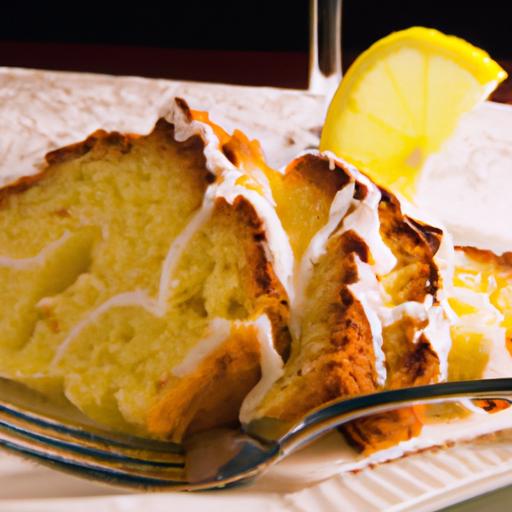

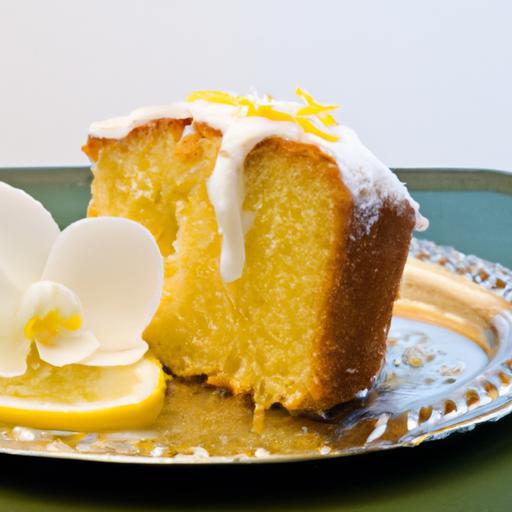
Ther’s something irresistibly enchanting about a slice of lemon cake-its tender crumb, the bright burst of citrus, and that perfect balance between sweet and tangy that dances on your taste buds. But behind this zesty delight lies a fascinating interplay of ingredients and chemistry, where science meets culinary artistry to create a cake that’s as much magic as it is indeed dessert.In “Zesty Delight: The Sweet Science Behind Lemon Cake Magic,” we peel back the layers to explore how the humble lemon transforms ordinary cake batter into a symphony of flavor and texture, revealing the secrets that turn simple components into a luscious masterpiece.Whether you’re a home baker or a curious foodie, join us as we uncover the sweet science behind every scrumptious slice.
Zesty delight begins with the enchanting embrace of fresh lemons, whose vibrant citrus notes awaken every corner of this beloved cake. Originating from Mediterranean traditions where lemons are cherished for their aromatic zing, this cake balances the delicate tartness with buttery sweetness to create a flavor symphony that dances on the palate. Whether celebrating a sunny afternoon or brightening a dreary day, mastering this lemon cake recipe invites you into a world where tang and sweet unite seamlessly.
Prep and Cook Time
- Readiness: 20 minutes
- Baking: 40 minutes
- Total Time: 1 hour
Yield
8 generous servings
Difficulty level
Easy to Medium – perfect for bakers eager to master a timeless classic with room to personalize
Ingredients
- 1 ¾ cups all-purpose flour, sifted
- 1 tsp baking powder
- ½ tsp baking soda
- ¼ tsp salt
- ¾ cup unsalted butter, softened
- 1 cup granulated sugar
- 3 large eggs, at room temperature
- 1 tbsp finely grated lemon zest (about 2 lemons)
- ½ cup freshly squeezed lemon juice
- ½ cup buttermilk, at room temperature
- 1 tsp pure vanilla extract
- Optional: powdered sugar for dusting or lemon glaze*
Instructions
- Preheat the oven to 350°F (175°C). Grease and flour a 9-inch round cake pan or line with parchment paper for flawless release.
- In a medium bowl, whisk together the flour, baking powder, baking soda, and salt. Set aside for a dry ingredient blend that ensures even rise.
- In a large mixing bowl, cream the butter and granulated sugar with an electric mixer on medium speed until the mixture turns pale and fluffy, about 3-4 minutes. This aeration is key to tender crumb.
- Add the eggs one at a time, fully incorporating each before adding the next to maintain batter stability. Stir in the lemon zest and vanilla extract for fragrant depth.
- Alternate adding the dry ingredients and buttermilk in three parts, beginning and ending with the dry mix. Fold gently but thoroughly after each addition-overmixing can lead to a dense crumb.
- pour in the fresh lemon juice and give a final gentle fold to distribute the citrus burst evenly throughout the batter.
- Transfer the batter to the prepared pan, smoothing the top with a spatula for even baking.
- Bake for 38 to 42 minutes,or until a toothpick inserted in the center comes out clean and the edges start to turn golden.
- Cool the cake in the pan for 10 minutes, then invert onto a wire rack to cool completely, preserving moisture and fluffiness.
tips for Success
- Use room temperature ingredients to ensure they combine seamlessly, giving your batter ideal consistency for rise and texture.
- When zesting lemons, avoid the white pith to prevent bitterness, capturing only the vibrant yellow peel.
- For extra moistness, brush the cooled cake with a simple lemon syrup (equal parts water and sugar simmered with lemon juice) before glazing.
- Substitute buttermilk with plain yogurt diluted with milk if unavailable; this maintains acidity vital for tender crumb formation.
- Store the cake wrapped tightly at room temperature for up to two days or refrigerate with a cover to extend freshness.
serving Suggestions
Present this zesty delight dusted with a light snow of powdered sugar or lavishly adorned with a glossy lemon glaze for that jewel-like finish. To elevate,sprinkle toasted slivered almonds or fresh raspberries,whose tart sweetness complements the lemon’s brightness. A dollop of whipped cream or a side of lightly sweetened mascarpone adds luxurious creaminess that balances the citrus sparkle. Whether for breakfast tea or an elegant dessert, the cake’s inviting hue and refreshing zing never fail to captivate.

Nutritional Information Per Serving
| Calories | protein | Carbohydrates | Fat |
|---|---|---|---|
| 320 kcal | 5 g | 40 g | 15 g |
for more recipes exploring bright, fresh flavors, check our Citrus Dessert Collection. Learn about the science behind citrus acidity and baking on the Serious Eats Citrus Baking Guide.
Q&A
Q&A: Zesty Delight – The Sweet Science Behind Lemon Cake Magic
Q1: What makes a lemon cake truly magical?
A1: It’s all about balance-the tangy zest of lemon dancing with just the right amount of sweetness, creating that vibrant zing that wakes up your taste buds.The magic lies in how acidity brightens the flavors and interacts with the cake’s texture, delivering a moist crumb that feels like sunshine in every bite.

Q2: How does lemon zest impact the flavor differently from lemon juice?
A2: Lemon zest contains essential oils that are intensely aromatic and flavorful, lending a bright, fresh burst without the liquid that lemon juice adds. While lemon juice contributes acidity and moisture, zest infuses that unmistakable citrus perfume, creating layers of flavor that make the cake truly sing.
Q3: Why is acidity crucial in lemon cake recipes?
A3: Acidity from lemon juice activates baking soda, helping the cake rise and stay tender. It also balances sweetness, cutting through dense richness and preventing a cloying finish. This subtle scientific interplay ensures the cake is light, fluffy, and refreshingly vibrant.
Q4: Can you explain the role of sugar in lemon cake’s texture and taste?
A4: Sugar isn’t just for sweetness-it tenderizes the crumb by inhibiting gluten formation, keeps the cake moist by attracting and holding water, and enhances lemon’s flavor by amplifying its brightness.The dance between sugar and citrus is key to creating a luscious, irresistible treat.
Q5: Is there a secret ingredient that elevates lemon cake to the next level?
A5: Often, it’s a touch of buttermilk or yogurt. their mild acidity not only reinforces the lemon’s tang but also tenderizes the crumb, adding depth and complexity to the flavor. Plus, the dairy’s fats enrich the cake, making each bite decadently smooth.
Q6: How can home bakers ensure their lemon cake doesn’t turn out dry or bitter?
A6: The secrets are gentle mixing to avoid toughening gluten, precise measuring of lemon zest to avoid overpowering bitterness, and not overbaking-removing the cake when a toothpick comes out with just a few moist crumbs. A little patience and attention transform the science into sweet art.
Q7: Beyond flavor, what sensory experiences does lemon cake offer?
A7: It’s a symphony for the senses: the vibrant yellow hue energizes visually; the citrus aroma awakens memories of sunny days; the soft, moist crumb invites touch; and the perfect balance of tart and sweet delights the palate. each element combines to create an unforgettable sensory delight.
Q8: Can variations like lemon glaze or frosting alter the cake’s science?
A8: Absolutely! A lemon glaze adds a glossy, tangy finish that intensifies citrus notes and adds moisture on top, while frostings-especially cream cheese-based-bring creamy tartness and richness. Thes layers modify texture and flavor, adding complexity while supporting the cake’s sunny character.
With understanding the science behind lemon cake’s magic, we see it’s not just a dessert-it’s a carefully crafted experience where chemistry and creativity meet to brighten every bite.
Concluding Remarks
In the realm of desserts, lemon cake stands out not just as a treat for the taste buds but as a fascinating dance of science and flavor. From the precise balance of acidity and sweetness to the chemistry that gives it that tender crumb and vibrant zing, every slice of lemon cake is a testament to the magic woven by ingredients and technique. So, the next time you savor a zesty bite, remember-it’s more than just a cake; it’s a delicious experiment perfected through sweet science. Here’s to celebrating the bright, tangy marvel that continues to captivate bakers and dessert lovers alike.