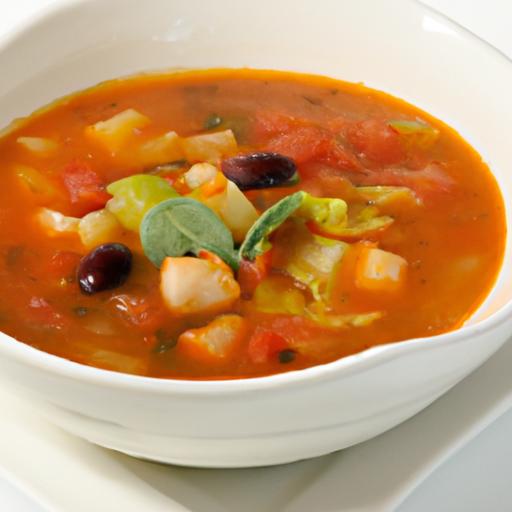

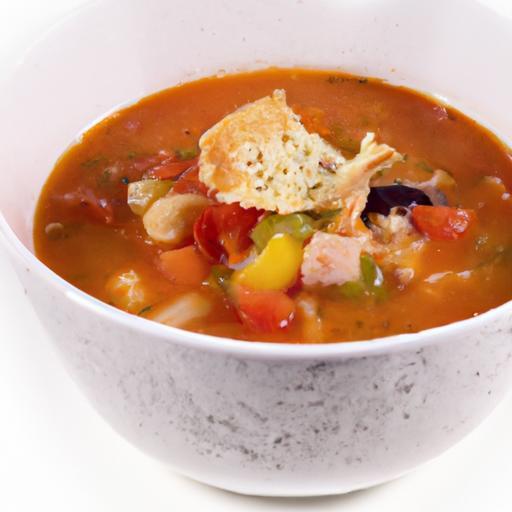
ThereS a magic simmering in the heart of Italy-a bubbling pot that brings together the vibrant colors of garden-fresh vegetables, the earthy embrace of beans, and the comforting warmth of a rich broth. Minestrone, Italy’s beloved classic soup, is more then just a dish; it’s a culinary journey steeped in history, tradition, and regional flair. From the sun-drenched terraces of Tuscany to the bustling markets of Milan, minestrone weaves together humble ingredients into a hearty masterpiece that nourishes both body and soul. In this exploration of “Minestrone Magic,” we’ll uncover the origins, variations, and timeless appeal of Italy’s iconic soup-a flavorful story simmering with culture and comfort in every spoonful.
Minestrone Magic begins with humble roots deep in Italy’s culinary tapestry, where this classic soup has long captured the hearts and tables of homes from Lombardy to Sicily. Its charm lies in versatility-seasonal vegetables, fragrant herbs, and a soul-warming broth combine to create a dish that feels rustic yet refined, nourishing yet comforting.Over generations,regional twists have transformed minestrone from a simple peasant meal into an emblem of Italian tradition and creativity,inviting every cook to bring their personal touch to the pot.
The Origins and Regional Twists of Minestrone Magic
Minestrone’s name, deriving from the Italian “minestra” meaning “soup,” hints at a base so adaptable it reflects the bounty of local markets and gardens. The northern regions favor heartier beans and root vegetables, sometimes enriched with hearty rice or small pasta shapes like ditalini. Simultaneously occurring, southern Italy’s coastal influence brings vibrant tomatoes, fresh zucchini, and aromatic basil to the forefront, lending brightness and zest. In Tuscany, the addition of kale or cavolo nero elevates the soup with earthy, green notes, while Liguria’s version might subtly infuse pesto for a fragrant finish.This soup invites you to explore Italy through its landscapes and seasons, each spoonful a reminder of homegrown freshness and culinary heritage.
Prep and Cook Time
- Prep Time: 25 minutes
- Cook Time: 45 minutes
- total Time: 1 hour 10 minutes
Yield
Serves 6 generous bowls
Difficulty Level
Medium – approachable for home cooks with basic knife skills and attention to layering flavors.
Key Ingredients That Bring Minestrone Magic to Life
- 2 tablespoons extra-virgin olive oil – unforged gold for sautéing and flavor complexity
- 1 medium onion, finely chopped
- 2 cloves garlic, minced – a gentle punch of aromatic warmth
- 2 medium carrots, diced – adding sweet earthiness
- 2 celery stalks, diced – fresh crunch and subtle bitterness
- 1 medium zucchini, diced – tender texture and garden freshness
- 1 cup diced tomatoes (fresh or canned, preferably San Marzano) – rich umami and acidity
- 1 cup cooked cannellini beans – creamy protein and hearty substance
- 4 cups vegetable broth (homemade or low-sodium) – the heart of warmth and depth
- 1 cup small pasta shapes (ditalini or elbow macaroni)
- 1 teaspoon dried oregano – traditional herbaceous layer
- 1 bay leaf – subtle, complex undertone
- Salt and freshly ground black pepper to taste
- Fresh basil or parsley leaves for garnish
- Grated Parmesan cheese (optional, for topping)
Crafting the Perfect Broth for Depth and Warmth
Creating an enchanting broth is where Minestrone Magic truly unfolds. Begin by gently sweating the mirepoix-onion, carrot, and celery-in extra-virgin olive oil until translucent, which unlocks their natural sweetness without browning. Add garlic just before the next step to avoid bitterness, stirring until fragrant. Pour in a well-balanced vegetable broth, rich with simmered herbs or even a subtle touch of mushrooms for umami depth. The broth acts as the canvas, inviting the medley of vegetables, beans, and pasta to marry in harmony. Cooking gently allows these flavors to layer and deepen, truly elevating the soulfulness of the soup.
Instructions
- Heat the olive oil in a large heavy-bottomed pot over medium heat.
- Add the chopped onion, carrot, and celery and sauté for 7-8 minutes until softened and translucent, stirring occasionally to prevent sticking.
- stir in the minced garlic and cook for 1 minute until fragrant but not browned.
- Add the diced zucchini and tomatoes, and sauté for another 5 minutes, gently stirring to integrate the ingredients.
- Pour in the vegetable broth, add the dried oregano and bay leaf, then bring the mixture to a gentle boil.
- Reduce heat to a simmer and cook for 20 minutes, allowing the flavors to meld and the vegetables to soften.
- stir in the cooked cannellini beans and pasta, cooking for an additional 10 minutes or until the pasta is al dente.
- Season with salt and freshly ground black pepper to taste, remove the bay leaf before serving.
- Ladle the soup into warm bowls and garnish with fresh basil or parsley and an optional sprinkle of grated Parmesan cheese for finishing richness.
Chef’s Notes and Tips for Success
- Vegetable Variations: feel free to swap zucchini with diced potatoes or butternut squash for a richer, autumnal twist.
- Beans: Cannellini are classic, but chickpeas or borlotti beans make flavorful alternatives.
- Pasta Choice: Small pasta types like ditalini prevent overwhelming the soup while delivering tender bites; gluten-free pasta works perfectly to.
- Make-Ahead: Minestrone Magic tastes even better the next day as flavors deepen. Store soup and pasta separately if possible to avoid mushiness.
- Broth Boost: For deeper layers, add a splash of white wine during the sauté step, allowing it to reduce before adding broth.
Serving Suggestions and Pairing Minestrone Magic with Italian Classics
This robust soup shines accompanied by crusty Italian bread, perfect for sopping up every flavorful drop. A drizzle of good-quality extra-virgin olive oil or a small spoonful of pesto elevates the bowl further, adding fragrant complexity. Pair Minestrone Magic with a crisp green salad dressed in lemon vinaigrette for balance, or serve alongside a plate of creamy risotto or a light Caprese salad for a full Italian feast experience. A chilled glass of Verdicchio or a light Chianti provides the ideal wine companion, cutting through the soup’s richness and enhancing its herbaceous notes.



| Nutrient | Per Serving |
|---|---|
| Calories | 210 kcal |
| Protein | 9 g |
| carbohydrates | 32 g |
| Fat | 5 g |
For a deeper dive into Italian soups, check out our Complete Italian Soups Guide.To explore the rich history of Italian cuisine, visit Italy Magazine’s Minestrone Overview.
Q&A
Q&A: Minestrone Magic – A Hearty Journey Through Italy’s Classic Soup
Q1: What exactly is minestrone, and why is it considered a classic Italian soup?
A: Minestrone is a thick, hearty soup bursting with a colorful medley of vegetables, beans, pasta or rice, and often a savory broth.Its roots run deep in Italian culinary tradition, where it has been a beloved staple for centuries. This “soup of many things” embodies the rustic, resourceful spirit of Italy’s regional kitchens, offering nourishment, warmth, and a taste of the land’s bounty in every spoonful.
Q2: How did minestrone get its name, and what dose it signify?
A: The name “minestrone” comes from the Italian word minestra, meaning “soup,” with the augmentative suffix -one indicating something big or hearty. Simply put,it means “big soup” – an apt description for a dish that is as filling as it is flavorful,often serving as a complete meal all on its own.Q3: What are the core ingredients that make up an authentic minestrone?
A: While minestrone is celebrated for its flexibility, some ingredients are quintessential: seasonal vegetables like carrots, celery, zucchini, and tomatoes; beans (cannellini or borlotti); hearty greens such as spinach or kale; aromatic herbs like basil and rosemary; and small pasta or rice to add satisfying texture. These elements combine with a fragrant vegetable or meat broth to create a symphony of flavors.
Q4: How does minestrone vary across different Italian regions?
A: Minestrone is a canvas for local ingredients and seasons. In Liguria,it takes on a pesto twist; in Tuscany,you might find it enriched with cavolo nero (black kale),chestnuts,and rustic beans. Southern Italy might highlight tomatoes and peppers, while Northern versions often include parsnips or potatoes. These regional variations tell stories of place,climate,and history,making each bowl a unique culinary adventure.
Q5: What makes minestrone so versatile and enduring in Italian culture?
A: Its versatility stems from being a hearty yet adaptable dish – perfect for using whatever’s fresh or leftover. minestrone is economical,nutritious,and comforting,which helped it endure through times of scarcity and prosperity alike. It’s a soup that welcomes improvisation, reflects seasonality, and invites family and friends to gather around the table, savoring simplicity and abundance alike.
Q6: can minestrone be made vegetarian or vegan without sacrificing flavor?
A: Absolutely! Minestrone shines as a vegetarian or vegan dish, relying on rich vegetable broth and the natural sweetness and earthiness of beans and veggies to deliver deep, satisfying flavor. A drizzle of good olive oil, a sprinkle of fresh herbs, and a squeeze of lemon can elevate it to pure magic, proving that hearty doesn’t have to mean heavy.Q7: How can home cooks bring a little “minestrone magic” into their kitchens?
A: Start with fresh, seasonal produce, simmer yoru soup slowly to coax out layers of flavor, and remember that patience is key. Don’t be afraid to experiment with different beans, greens, or grains.Finish with a sprinkle of Parmesan or a touch of chili flakes for complexity, and serve with crusty bread to soak up every last drop. Above all, make it your own – that’s the true Italian secret behind minestrone’s timeless appeal.
Whether serving as a humble lunch or a celebratory meal, minestrone invites you to taste the heart of italy, one nourishing bowl at a time. Buon appetito!
Concluding remarks
As the final spoonful of minestrone warms both palate and spirit, we recognize that this humble soup is more than just a blend of beans, veggies, and herbs-it’s a vibrant tapestry woven from Italy’s culinary heritage.Each region adds its own twist, each season offers a new ingredient, and every pot tells a story of home, tradition, and comfort.Whether savored in a bustling trattoria or a quiet kitchen nook, minestrone invites us to savor the magic of simplicity, nourishing not only our bodies but also our connection to a timeless, hearty journey through Italy’s soul. So next time you ladle out a bowl, remember: you’re tasting a legacy steeped in warmth, community, and endless appetizing possibilities. Buon appetito!