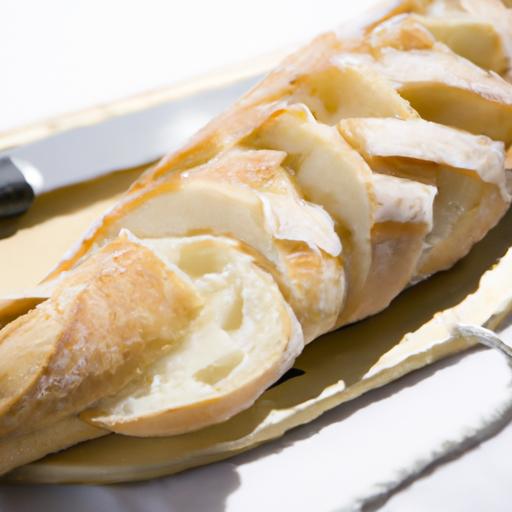

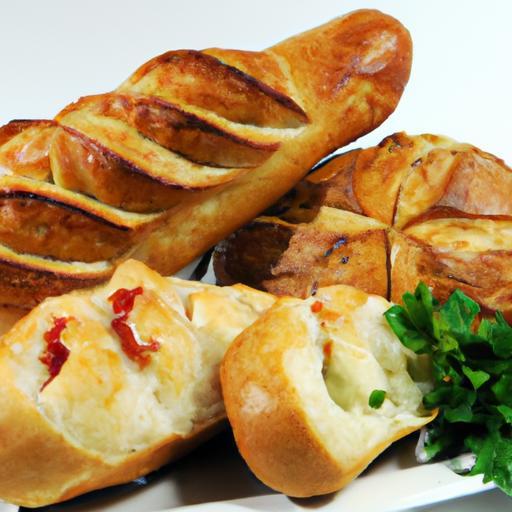
There’s something undeniably magnetic about the aroma of freshly baked Italian bread-a fragrant invitation that transports you to bustling village bakeries nestled among sun-drenched hillsides. Beyond its simple ingredients of flour, water, yeast, and salt, authentic Italian bread embodies centuries of culinary artistry and time-honored traditions. Each loaf tells a story, reflecting the regional nuances, cultural heritage, and skilled craftsmanship passed down through generations. In this article, we delve into the rich art and tradition behind authentic Italian bread, uncovering the secrets that elevate it from mere sustenance to a cherished cultural symbol on tables across Italy and the world.
The Art and Tradition Behind Authentic Italian Bread unveils centuries of rich culture embedded in every crust and crumb. Italian bread is more than just a staple; it’s a living testament to the diverse terroirs and regional identities across Italy. From the dense, chewy ciabatta of the Veneto to the fragrant, airy focaccia of Liguria, each loaf tells a story shaped by climate, local grains, and time-honored baking techniques passed down through generations.
prep and Cook Time
- Preparation: 20 minutes
- First Rise: 1 hour 30 minutes
- Shaping & Second Rise: 45 minutes
- Baking: 25-30 minutes
- Total Time: Approximately 3 hours 15 minutes
Yield
- 1 rustic Italian loaf (approximately 8 servings)
difficulty Level
- Medium - Ideal for eager home bakers ready to explore traditional methods
Selecting the Ideal Ingredients for Genuine Italian Flavor
- 500g (4 cups) bread flour, sifted for lightness and strength to support the perfect rise
- 350ml lukewarm water (about 75°F/24°C) – encourages vibrant yeast activity without killing it
- 10g sea salt – enhances flavor and strengthens gluten
- 7g active dry yeast (1 packet)
- 1 tbsp high-quality extra virgin olive oil – adds subtle richness and contributes to crumb tenderness
Mastering the perfect Dough Using Time-Honored Techniques
- Activate the yeast: In a small bowl, dissolve yeast in lukewarm water. Let it sit for 5-10 minutes until foamy, signaling readiness.
- Mix the dough: In a large bowl, combine bread flour and salt. slowly pour in the yeast mixture and olive oil, stirring with a wooden spoon or dough hook attachment until a shaggy dough forms.
- Knead: Turn dough onto a lightly floured surface. Knead for 10-12 minutes until smooth and elastic. The dough should feel slightly tacky but not sticky.
- First rise: Place dough in a lightly oiled bowl,cover with a damp cloth,and let rise in a warm place for 1 hour 30 minutes or until doubled in size.
- Shape: Turn dough out and gently press to deflate. Shape into an oblong or round loaf, placing it on a parchment-lined baking sheet.
- Second rise: Cover again and let dough rest for 45 minutes until puffy.
- Prepare oven: Preheat oven to 230°C (450°F). To replicate traditional wood-fired ovens, place a metal pan in the oven and fill it with hot water to create steam.
- Scoring: Using a sharp knife or lame, make 2-3 long slashes on top of the loaf to control expansion and create classic rustic patterns.
- Bake: Place bread in the oven, steam will help develop a crispy, crackly crust. Bake for 25-30 minutes or until golden brown and hollow-sounding when tapped on the bottom.
- Cool: Transfer to a wire rack and cool wholly before slicing – this step lets the crumb set perfectly.
Tips for Success
- Use a digital thermometer: Lukewarm water should be around 75°F (24°C) for optimal yeast activation.
- Flour variations: Experiment with mixes of bread flour and finely ground durum or semolina flour for added texture and authentic Italian aroma.
- Slow fermentation: For deeper flavor, refrigerate the shaped dough overnight for a slow cold rise-just bring to room temperature before baking.
- Maintaining crust crispiness: Avoid covering bread while hot or storing in airtight containers to keep the crust from becoming soggy.
- Use a baking stone: If available, a preheated baking stone will mimic traditional brick ovens, ensuring even heat distribution and superior crust development.
Serving Suggestions
- Slice thickly to soak up hearty italian soups like Ribollita or lentil stew.
- Serve warm, brushed with extra virgin olive oil and scattered with coarse sea salt or fresh rosemary for a rustic appetizer.
- Toast slices and top with ripe tomatoes, a sprinkle of sea salt, fresh basil, and a drizzle of balsamic for classic bruschetta.
- Pair with robust, aged cheeses and cured meats for an authentic antipasti platter.

Nutritional Information per Serving
| Calories | Protein | Carbohydrates | Fat |
|---|---|---|---|
| 180 kcal | 6g | 36g | 2g |
For those eager to expand their Italian baking repertoire, discover more on Italian focaccia Bread Recipes. For a detailed understanding of gluten formation and fermentation, visit King Arthur baking’s comprehensive guide.
Q&A
Q&A: The Art and Tradition Behind Authentic Italian Bread
Q1: What makes Italian bread truly authentic?
Authentic Italian bread is a harmonious blend of simple ingredients-flour, water, salt, and yeast-elevated by time-honored techniques and regional nuances. The magic lies not just in what goes into the dough, but in how it’s handled: slow fermentation, hand-kneading, and often a wood-fired oven bake, all contributing to a loaf that sings with flavor and history.
Q2: how does the tradition of bread-making vary across Italy?
Italy’s diverse regions bring unique personalities to their bread. In Tuscany, you’ll find rustic Pane toscano-notably saltless, a tradition tied to past salt taxes-while in Puglia, the Pane di Altamura boasts an ancient durum wheat base and a signature thick crust. Each loaf tells a story shaped by local ingredients, climate, and centuries-old customs.
Q3: Why is slow fermentation important in making Italian bread?
Slow fermentation allows natural yeasts to work their alchemy, developing complex flavors and a chewy, open crumb that’s far richer than quick-rise breads. This patient process also improves digestibility and shelf life, embodying the Italian reverence for quality over speed.
Q4: What role does the oven play in crafting authentic Italian bread?
Traditionally, Italian bread bakes in a wood-fired oven, where radiant heat and steam create a blistered, golden crust bursting with aroma. This method imparts a rustic character impossible to replicate in conventional ovens, connecting each loaf to ancient communal ovens and village hearths.


Q5: How does Italian bread reflect cultural values beyond just food?
Italian bread-making is more than a culinary practice-it’s a ritual of community, heritage, and respect for natural rhythms. Sharing bread is symbolic of hospitality and connection, while the craft itself preserves generations of knowledge, embodying Italy’s deep ties to tradition and the land.
Q6: Can you describe the sensory experience of biting into authentic italian bread?
Imagine breaking through a crackling crust that yields a satisfying snap,unveiling a fragrant,airy interior dusted with flour. The first bite delivers a subtle tang from fermentation, a hint of nuttiness from the wheat, and a comforting chewiness that invites savoring rather than rushing-each mouthful a sensory journey into Italy’s soul.
Q7: How can home bakers honour this tradition in their own kitchens?
Start with quality flour and patience: embrace slow rises and gentle handling. Experiment with natural starters to cultivate wild yeast, and if possible, mimic a steam-filled bake by introducing water to a hot oven.Above all, approach the process as a form of mindful craft, where each loaf is a tribute to heritage and an invitation to slow down and savor life.
Closing Remarks
As the golden crust crisps and the warm crumb releases its earthy aroma, authentic Italian bread offers more than just sustenance-it tells a story. Woven through generations of skilled hands and nurtured by time-honored traditions, each loaf is a tribute to Italy’s rich culinary heritage. Beyond the simple ingredients lies a deep respect for patience,craftsmanship,and terroir,transforming humble flour and water into edible art. So next time you break a slice of rustic pane or savor a freshly baked ciabatta, remember: you’re partaking in a timeless ritual, where history and passion rise together, loaf after loaf.