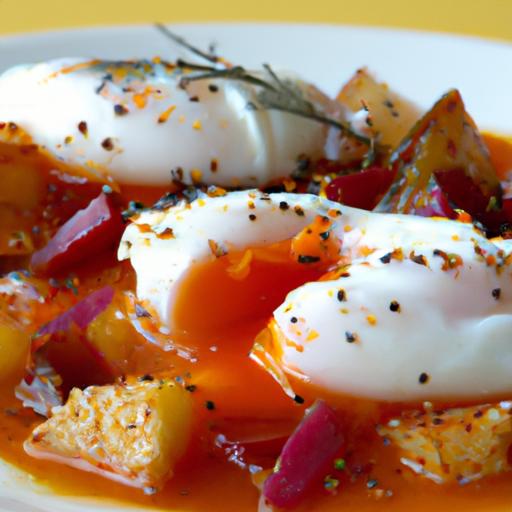

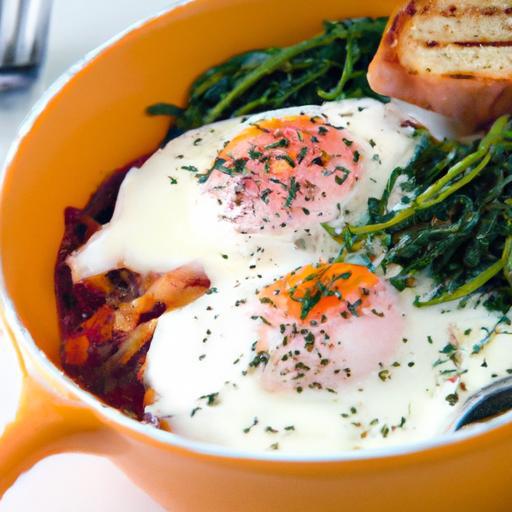
In the sun-drenched kitchens of north Africa, where spices dance in the air and colors burst like a painter’s palette, a humble yet enchanting dish has captured hearts and taste buds across the globe: shakshuka. This vibrant medley of poached eggs nestled in a rich,spiced tomato sauce is more than just breakfast-it’s a culinary treasure that tells a story of tradition,culture,and the joy of simple ingredients transformed through passion. Join us as we explore the origins, flavors, and irresistible allure of shakshuka, uncovering why this North African delight continues to sizzle its way onto tables worldwide.
Shakshuka Delights: North Africa’s Poached Egg Treasure
Shakshuka Delights start with a vibrant medley of tomatoes, peppers, and aromatic spices simmered into a rich, savory base crowned by gently poached eggs. This North African culinary gem offers a feast not only for the palate but for the eyes-its shining reds and golden yolks inviting you to dive right in. Rooted deeply in the Maghreb region, this dish beautifully encapsulates a tradition of communal dining, warmth, and bold flavors that celebrate the richness of North African cuisine.
Origins and Cultural Significance of Shakshuka in North African cuisine
Shakshuka’s origins trace back to Tunisia and spread throughout Algeria, Morocco, and Libya, where it has become a beloved staple for breakfast, lunch, and even dinner. The name “shakshuka” means “a mixture” in Tunisian Arabic,reflecting the dish’s colorful combination of ingredients. Traditionally, it’s cooked in a cast-iron pan shared among family and friends-an embodiment of hospitality and togetherness in North African households.Beyond its delightful taste, shakshuka represents the seamless blend of Mediterranean and Middle eastern influences, making it a true cultural treasure that transcends borders.
key Ingredients and Flavor Profiles That Make Shakshuka Unique
The magic of Shakshuka Delights lies in its carefully balanced ingredients. Ripe plum tomatoes create a luscious, slightly sweet base, while bell peppers add a mellow crunch. The signature warmth comes from cumin and paprika, complemented by the subtle heat of cayenne pepper or harissa. Fresh garlic and onions provide depth, and earthy olive oil adds richness. The eggs are gently poached right in the sauce, their yolks intertwining with the spiced tomato stew to create a harmonious blend of silky, savory textures.
Prep and Cook Time
- Planning: 10 minutes
- Cooking: 25 minutes
- Total Time: 35 minutes
Yield
- Serves 4 people
Difficulty Level
- Easy to Medium
Ingredients
- 2 tablespoons olive oil
- 1 medium onion, finely chopped
- 1 red bell pepper, seeded and diced
- 3 cloves garlic, minced
- 1 teaspoon ground cumin
- 1 teaspoon smoked paprika
- ½ teaspoon cayenne pepper (adjust to taste)
- 1 can (28 oz) plum tomatoes, crushed by hand or blended
- Salt and freshly ground black pepper, to taste
- 4-6 large eggs
- Fresh parsley or cilantro, chopped for garnish
- Optional: 1 tablespoon harissa paste for extra heat
Step-by-Step Guide to Crafting the Perfect Shakshuka at Home
- Heat olive oil in a large skillet over medium heat. Add the chopped onion and sauté until soft and translucent, about 5 minutes.
- Add diced red bell pepper, cooking until tender, about 4-6 minutes, stirring occasionally to prevent sticking.
- Stir in minced garlic, cumin, paprika, and cayenne pepper. Cook for 1 minute until fragrant, allowing the spices to bloom and deepen in flavor.
- Pour in the crushed plum tomatoes, stirring to combine. Season with salt and pepper.Reduce the heat to low and let the sauce simmer gently for 15-20 minutes, uncovered, until it thickens-stir occasionally to avoid scorching.
- If using harissa paste, stir it into the sauce now for a vibrant, smoky kick.
- Create small wells in the sauce with the back of a spoon. Carefully crack an egg into each well, spacing them evenly.
- Cover the skillet with a lid and cook until the egg whites are set but the yolks remain runny, about 5-8 minutes, depending on your preferred doneness.
- Garnish generously with fresh parsley or cilantro before serving.
Chef’s Notes: Tips for Success
- Tomato choice: Fresh plum or Roma tomatoes can be used when in season, lightly blitzed for a fresher flavor.
- Adjust heat: Control your spice level by adding more or less cayenne or harissa,or skip the heat for a milder taste.
- Pan choice: Use a heavy-bottomed skillet or cast-iron pan to ensure even cooking and prevent burning.
- Make-ahead: The base sauce can be prepared a day in advance and refrigerated. poach the eggs fresh when ready to serve.
- Egg poaching: Covering the pan traps steam for perfectly poached eggs-a must to avoid overcooking.
Creative Twists and Serving Suggestions to Elevate Your Shakshuka Experience
Shakshuka Delights can shine in countless variations. Incorporate crumbled feta or goat cheese for tangy creaminess. Toss in spinach or kale for a nutrient boost, or add chorizo or merguez sausage for a heartier meal. Serve alongside warm crusty bread, pita, or homemade za’atar flatbreads to soak up the luscious sauce.
For brunch, drizzle with a cooling yogurt sauce mixed with a touch of lemon and mint. Garnish with sliced avocado or olives for a Mediterranean flair. this dish pairs beautifully with a fresh, crisp salad or a simple cucumber and tomato salad dressed in lemon juice and olive oil.

Nutritional Data (per serving)
| Calories | protein (g) | Carbohydrates (g) | Fat (g) |
|---|---|---|---|
| 270 | 14 | 18 | 15 |
For more Mediterranean breakfast inspirations, check out our Mediterranean Omelette Recipes. Discover the rich history of North African flavors and their global influence on Britannica’s North African Cuisine resource.
Q&A
Q&A: Shakshuka Delights - North Africa’s Poached Egg Treasure
Q1: What exactly is shakshuka?
A1: shakshuka is a vibrant, soul-warming dish originating from North Africa, featuring eggs poached gently in a rich, spiced tomato and pepper sauce. It’s a perfect harmony of tangy tomatoes, aromatic spices, and silky eggs, creating a meal that’s both comforting and bold.
Q2: Where does shakshuka actually come from?
A2: While shakshuka’s roots trace back to the Maghreb region of North Africa-especially Tunisia and Morocco-it has journeyed across borders and cultures. The dish reflects a stunning fusion of Mediterranean, Middle Eastern, and North African culinary traditions.
Q3: What makes shakshuka so special compared to other egg dishes?
A3: unlike scrambled eggs or omelets, shakshuka transforms humble eggs into jewels nestled in a stew of flavors. The slow poaching in spiced tomato sauce infuses the eggs with a smoky, tangy essence, making every bite a luscious experience. It’s a dish that’s as visually captivating as it is delicious.
Q4: Can shakshuka be adapted for different tastes or dietary needs?
A4: Absolutely! Shakshuka is wonderfully versatile. You can spice it up with chili flakes, mellow it with sweet bell peppers, or add greens like spinach for a nutritious twist. For those who avoid eggs, roasted chickpeas or tofu can mimic the texture and soak up the sauce’s magic.Q5: What spices are essential in creating authentic shakshuka flavor?
A5: The soul of shakshuka lies in its spices-cumin, paprika, and cayenne pepper usually headline the show. Garlic, onions, and sometimes a touch of harissa (a North African chili paste) add depth and warmth, making the sauce irresistibly fragrant and fiery.
Q6: When is shakshuka typically enjoyed?
A6: Traditionally, shakshuka is a breakfast or brunch staple, energizing the day with its vibrant flavors. However, it’s equally delightful for lunch, dinner, or even a late-night snack. Its hearty nature makes it a flexible dish for any time of day.
Q7: How do you serve shakshuka to best enjoy its flavors?
A7: Serve shakshuka straight from the pan with warm,crusty bread or fluffy pita to scoop up the luscious sauce and runny yolks. A sprinkle of fresh herbs like parsley or cilantro brightens the dish, while a dollop of creamy yogurt or crumbled feta can add a tantalizing contrast.
Q8: What cultural significance does shakshuka hold in North African communities?
A8: Shakshuka is more than just food-it’s a symbol of communal warmth and hospitality. Sharing a pan of shakshuka is an invitation to gather, converse, and savor life’s simple pleasures together, embodying the heart of North African hospitality.
Q9: Coudl shakshuka be considered a ‘superfood’ dish?
A9: In a way, yes! With nutrient-packed tomatoes, protein-rich eggs, and antioxidant-laden spices, shakshuka offers a nutritious punch. It’s a delicious way to fuel your body while indulging in a burst of complex flavors.
Q10: How can someone new to cooking shakshuka get started?
A10: Start simple: sauté onions and garlic, simmer chopped tomatoes with cumin and paprika until thick and fragrant, then gently crack eggs into the sauce to poach. Don’t rush the process-patience ensures perfect runny yolks and a sauce that sings. Before you know it, you’ll be savoring your own homemade North African treasure.
Insights and Conclusions
As the last spoonful of rich, tomato-spiced shakshuka lingers on the palate, it’s clear that this North African treasure is far more than just a breakfast dish-it’s a vibrant tapestry of culture, history, and flavor woven into one comforting bowl. Whether savored in a bustling Tunisian market or recreated in your own kitchen, shakshuka invites you to experience the warmth and zest of a region where simple ingredients transform into something truly extraordinary. So next time you seek a meal that’s as nourishing as it is inspiring, remember the humble poached egg nestled in its spicy, aromatic embrace-a true delight that continues to captivate taste buds across the world.