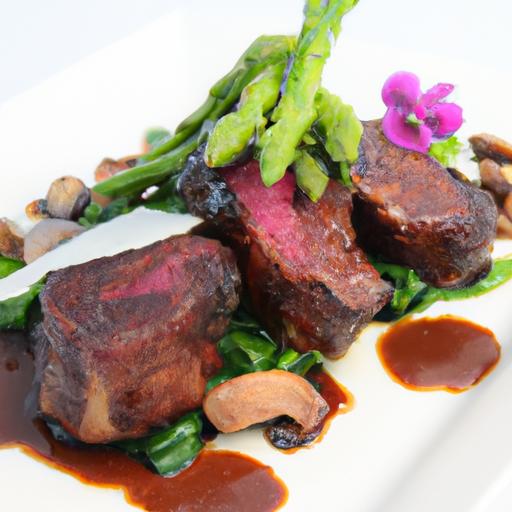

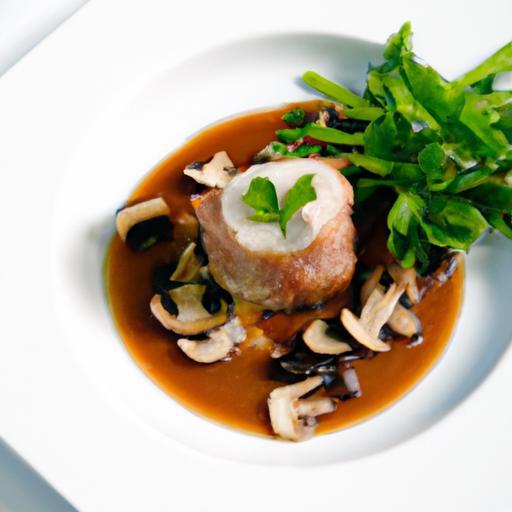
Hidden beneath the familiar cuts of steak and roast lies a culinary treasure frequently enough overlooked: beef cheeks. Once considered humble or even undesirable, thes richly marbled muscles have quietly earned their place on gourmet menus and in home kitchens alike.”Beef Cheeks Unveiled: Tender cuts and Savory Secrets” invites you on a flavorful journey into the heart of this extraordinary cut. From its unique texture and slow-cooked tenderness to the savory depths that make it a chef’s secret weapon, discover why beef cheeks are poised to become the next darling of the meat world. Prepare to rethink what you know about beef,as we unravel the story and science behind one of the most mouthwatering cuts you’ve never truly appreciated-until now.
Beef Cheeks Unveiled: Tender Cuts and Savory Secrets
Beef cheeks, often overlooked yet deeply cherished by culinary enthusiasts, hold an unrivaled charm in their texture and flavor. These richly marbled cuts, sourced from the robust muscles near the cow’s jaw, transform through slow cooking into a melt-in-your-mouth delicacy that sings with savory depth and unpretentious elegance. Discovering the perfect cut and nurturing it with care will unlock the profound taste and tender allure that elevate every beef cheek dish to an unforgettable experiance.
prep and Cook Time
- Preparation time: 20 minutes
- Cooking Time: 3 to 4 hours (slow braising)
- Total Time: Approximately 4 hours 20 minutes
Yield
- Serves 4 hungry guests
difficulty Level
- Medium – perfect for home cooks ready to impress with patiently crafted flavors
Ingredients
- 1.5 lbs beef cheeks, trimmed of excess fat and membranes
- 2 tbsp olive oil or rendered beef fat
- 1 large onion, finely chopped
- 3 cloves garlic, minced
- 2 large carrots, diced
- 2 celery stalks, diced
- 1 cup dry red wine (such as Cabernet Sauvignon)
- 2 cups beef stock, preferably homemade or low sodium
- 2 sprigs fresh rosemary
- 2 sprigs fresh thyme
- 1 bay leaf
- Salt and freshly ground black pepper, to taste
- 2 tbsp all-purpose flour (optional, for light dredging)
Instructions
- Prepare the beef cheeks: Pat the beef cheeks dry with paper towels. For enhanced browning and a slightly thicker sauce, lightly dredge each cheek with the all-purpose flour, shaking off excess.
- Brown the meat: Heat olive oil in a heavy-bottomed dutch oven over medium-high heat. Add beef cheeks and sear for 4-5 minutes on each side until deeply golden. Remove and set aside.
- Sauté aromatics: In the same pot, reduce heat to medium. Add onion, carrots, and celery. Cook until softened and fragrant, about 7 minutes, stirring frequently enough to deglaze the pan.
- Add garlic: Stir in minced garlic and cook for 1 minute until aromatic but not burnt.
- Deglaze with wine: Pour in the red wine, scraping the fond from the bottom of the pot with a wooden spoon. Let the liquid reduce by half, around 8-10 minutes.
- Return beef cheeks: Nestle the cheeks back into the pot.Pour beef stock over, add rosemary, thyme, and bay leaf. Season generously with salt and pepper.
- Slow braise: bring to a gentle simmer, then cover with a tight-fitting lid. Transfer to a preheated oven at 300°F (150°C).Let the cheeks cook low and slow for 3 to 4 hours, checking tenderness after 3 hours. The meat shoudl be easily pierced with a fork and brittle to the touch.
- Finish and rest: Remove meat and herbs from the pot.Strain or skim the sauce to remove solids if desired, then reduce over medium heat until glossy and slightly thickened. Adjust seasoning. Return the cheeks to the sauce briefly before serving.
Tips for Success
- Choosing beef cheeks: Opt for fresh, untrimmed cheeks with visible marbling and minimal sinew for optimal braising results.
- Make ahead: Beef cheeks taste even better after a day of resting in the fridge - flavors deepen and texture softens.
- Slow cooker alternative: use a slow cooker to braise beef cheeks on low for 8 hours for hands-off convenience.
- Flavor variations: Experiment with smoked paprika or star anise for a unique twist on the braising liquid.
- Skim fat: Removing excess fat from the braising liquid ensures a clean, silky sauce that doesn’t overwhelm.
Serving Suggestions
Present your tender beef cheeks atop a creamy parsnip purée or buttery mashed potatoes to soak up the luscious sauce. garnish with freshly chopped parsley and a sprinkle of cracked black pepper for visual contrast and a pop of freshness. Roasted root vegetables or sautéed kale make excellent seasonal sides. For a rustic finish, serve crusty artisan bread alongside to mop every drop of the savory jus.

| Nutrient | Per Serving |
|---|---|
| Calories | 420 kcal |
| Protein | 48 g |
| Carbohydrates | 10 g |
| Fat | 18 g |
For further inspiration on slow-cooked meats, check out our in-depth guide on Slow-Cooked Beef Recipes.For insightful tips on selecting premium beef cuts, you can visit this Butcher’s Selection Guide.
Q&A
Q&A: Beef Cheeks Unveiled – Tender Cuts and savory Secrets
Q1: What exactly are beef cheeks?
A: Beef cheeks are the muscular meat from the facial muscles of a cow. Often overlooked, these cuts are packed with collagen and connective tissue, making them wonderfully tender and flavorful when cooked low and slow.Q2: Why are beef cheeks considered so special in cooking?
A: Beef cheeks boast a unique texture that melts in your mouth after slow cooking. Their intense beefy flavor and rich gelatinous quality elevate dishes to a hearty,luxurious level. They’re the culinary equivalent of a cozy hug on a plate!
Q3: How should beef cheeks be prepared to unlock their full potential?
A: Patience is key. Slow braising or slow cooking for several hours breaks down tough collagen, transforming it into luscious gelatin.This yields a silky sauce and meat that literally falls apart with a fork - perfect for stews, tacos, or a refined ragù.


Q4: Are beef cheeks difficult to find in stores?
A: Sometimes! Their underrated status means they might not always appear in your supermarket’s meat case. But check with butcher shops or specialty meat markets – they often have access to these hidden gems.
Q5: Can beef cheeks be substituted with other cuts?
A: While short ribs or brisket can sometimes stand in for beef cheeks due to their similar collagen content, they don’t quite replicate the unique tenderness and flavor profile. Beef cheeks remain unmatched when authenticity is the goal.
Q6: What cooking methods best highlight the savory secrets of beef cheeks?
A: Braising in red wine, slow roasting with aromatic herbs, or even confit-style cooking all amplify their deep, rich flavor. The goal is gentle, prolonged heat – creating a meal that exudes comfort and sophistication.Q7: Any tips for those new to cooking beef cheeks?
A: Embrace the wait. Start with a flavorful braising liquid-think garlic, onions, herbs, and a splash of acidity like vinegar or wine. Cook low and slow (3-4 hours or more), and don’t rush the resting stage. Your patience rewards you with incredible depth.
Q8: What dishes showcase beef cheeks at their best?
A: Popular stars include beef cheek tacos with vibrant salsas, slow-braised cheek ragù over fresh pasta, or classic French-style bourguignon variants. These dishes turn humble cheeks into mouthwatering masterpieces.
Q9: How do beef cheeks fit into modern food trends?
A: With nose-to-tail eating gaining momentum, beef cheeks embody sustainability and culinary adventure. They invite chefs and home cooks alike to explore less common cuts and savor complex, rich flavors beyond the usual steak.
Q10: Why should adventurous eaters give beef cheeks a try?
A: Because culinary magic happens when simple, tough cuts meet patient cooking. Beef cheeks offer a gateway to new textures and tastes-an indulgence for the palate that’s both rustic and refined. Ready to unveil their savory secrets in your kitchen?
Final Thoughts
As the curtain falls on our exploration of beef cheeks, we uncover more than just a cut of meat-we reveal a world where tough textures transform into tender treasures through patience and skill. Whether braised low and slow or infused with rich spices, beef cheeks invite both cooks and diners to savor depth, tradition, and uncharted flavors. So next time you spot this humble muscle on the butcher’s shelf, remember: beneath its rugged exterior lies a savory secret waiting to elevate your culinary repertoire. Embrace the journey, and let beef cheeks redefine your understanding of comfort and sophistication on a plate.