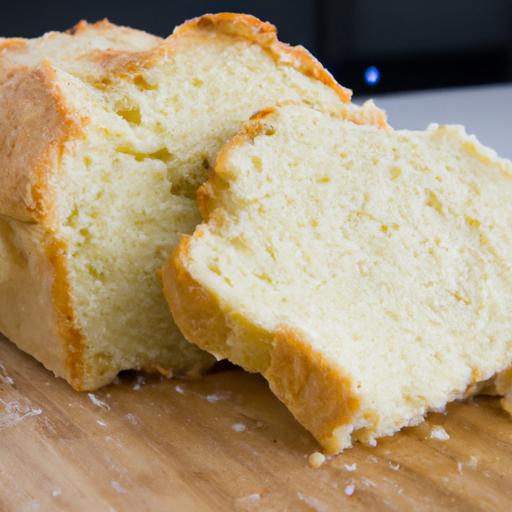

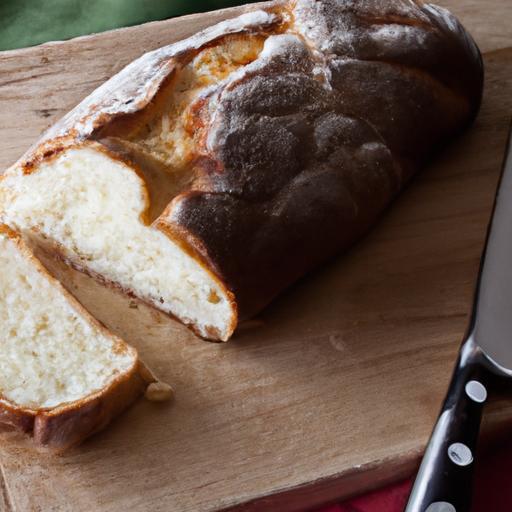
There’s something undeniably comforting about the aroma of freshly baked bread wafting through your kitchen. Now, imagine that bread-not just soft and warm-but enriched with the creamy tang of cottage cheese, creating a loaf that’s as wholesome as it is irresistible. Cottage Cheese Bread is quickly becoming a beloved staple for home bakers seeking a perfect balance of fluffy texture and savory flavor.Whether your a seasoned bread maker or a curious beginner, this soft, savory loaf offers a flavorful twist that’ll have you reaching for seconds, and maybe even thirds. Let’s dive into the art and science behind baking Cottage Cheese bread,and discover why this charming recipe deserves a spot on your baking roster.
Cottage cheese bread offers an irresistible soft texture and a subtly tangy flavor,making it a delightful addition to any kitchen repertoire. This comforting loaf, celebrated for its tender crumb and savory notes, originates from Eastern European home baking traditions, where dairy-rich breads bring warmth and wholesome nutrition to the table. Whether you’re an experienced baker or just starting out, mastering this recipe promises a loaf that’s moist, fluffy, and deliciously satisfying.
Prep and Cook Time
- Planning: 15 minutes
- Proofing & rising: 1 hour 30 minutes
- Baking: 35-40 minutes
- Total Time: Approximately 2 hours 30 minutes
Yield
One 9×5-inch loaf, serving 8-10 slices
Difficulty Level
Medium: requires basic bread-making skills but accessible with careful attention
Ingredients
- 2 cups all-purpose flour, sifted
- 1 cup whole milk cottage cheese, drained
- 1 package (2 1/4 tsp) active dry yeast
- 1/2 cup warm water (105°-115°F)
- 2 tbsp unsalted butter, melted, plus extra for greasing
- 1 tbsp granulated sugar
- 1 tsp fine sea salt
- 2 large eggs, room temperature
- Optional: 1/2 cup shredded sharp cheddar or herbs for savory variations
Step by Step Guide to Mastering Cottage Cheese Bread Baking at Home
- Activate the yeast: In a small bowl, combine the warm water and sugar. Sprinkle the active dry yeast over the surface and let it bloom for 5-7 minutes until foamy. This step ensures your loaf rises beautifully.
- Prepare the dough base: In a large mixing bowl, gently fold the cottage cheese with melted butter and the eggs, whisking until the mixture is smooth but still slightly lumpy-the secret to maintaining moisture.
- Combine dry ingredients: Gradually add the flour and salt to the wet mixture.Pour in the activated yeast mixture.
- Knead the dough: Turn the dough onto a lightly floured surface and knead for 8-10 minutes until smooth and elastic. A soft but not sticky dough is what you’re aiming for.
- First rise: lightly oil a clean bowl, shape the dough into a ball, place it inside, and cover with a damp cloth or plastic wrap. Let it proof in a warm place for 1 hour or until doubled in size.
- Shape the loaf: Gently deflate the dough and shape it into a loaf. Optionally, fold in shredded cheddar or herbs now for an elevated flair.
- Second rise: Place the shaped dough in a greased 9×5-inch loaf pan, cover, and let rise for another 30-40 minutes until it has filled the pan and risen by about an inch above the rim.
- Bake: Preheat your oven to 350°F (175°C). Bake for 35-40 minutes or until the top is golden brown and a skewer inserted into the center comes out clean.
- Cool: Remove from oven and instantly brush the top with melted butter for a soft crust. Let cool on a wire rack before slicing.
Choosing the Perfect Ingredients for a Flavorful and Moist Loaf
The heart of this recipe is the cottage cheese. Its creamy curds introduce moisture and a mild tang that tenderizes gluten strands, creating that coveted soft texture. Opt for a whole milk variety for richness. Fresh, high-quality yeast ensures vigorous rise and airy crumb development. Using room temperature eggs and melted butter helps create an emulsion with the dairy, sustaining the bread’s moist crumb.
Substituting part of the all-purpose flour with bread flour can improve structure for those who prefer lighter crumb, while adding herbs or cheese can layer complex flavors without sacrificing softness.
Creative Variations to Elevate Your Cottage Cheese Bread Experience
- Herbed Delight: Stir in 1 tbsp each of chopped fresh rosemary, thyme, and chives to the dough for an aromatic twist.
- Cheddar & Jalapeño: Add 1/2 cup shredded sharp cheddar and 1 finely chopped jalapeño for a spicy, cheesy loaf perfect for sandwiches.
- Sweet Cinnamon Swirl: Incorporate 1/4 cup brown sugar and 1 tbsp cinnamon into a portion of the dough, swirl into the loaf before baking for a subtle sweet contrast.
- Gluten-Free Adaptation: Swap flour for a gluten-free blend suited for yeast breads,and add 1 tsp xanthan gum for elasticity.
Tips for Success
- always proof your yeast in warm water; too hot will kill the yeast, too cold won’t activate it properly.
- Sifting flour helps aerate and creates lighter dough – a simple step that improves crumb texture.
- If the dough feels too sticky during kneading, add flour sparingly, a tablespoon at a time. Over-flouring can toughen the loaf.
- Use a thermometer to check oven temperature for consistent baking results.
- Letting the bread cool completely before slicing enhances texture and prevents gumminess.
Serving Suggestions
This bread’s delicate flavor pairs wonderfully with fresh butter and a sprinkle of flaky sea salt. For a savory breakfast, toast thick slices and top with smashed avocado, a poached egg, or smoked salmon. It also complements rich cheeses and charcuterie perfectly.
For visual appeal, garnish slices with sprigs of herbs or a light drizzle of olive oil infused with cracked black pepper when serving. Pair it with homemade soups or hearty stews for a comforting meal ambiance.




| Nutrient | Per Slice (Approx.) |
|---|---|
| Calories | 150 kcal |
| Protein | 6 g |
| Carbohydrates | 22 g |
| fat | 4 g |
For baking essentials and more bread recipes, explore our bread recipes collection. To deepen your understanding of yeast and its biology, consult this extensive overview from ScienceDaily.
Q&A
Q&A: Cottage Cheese Bread – Soft,Savory Loaves You’ll Love Baking
Q1: What exactly is cottage cheese bread?
A1: Cottage cheese bread is a delightful twist on traditional homemade bread,where creamy cottage cheese is folded into the dough. The result? A loaf that’s incredibly soft on the inside, with a subtle tang and rich, savory flavor that elevates every bite. it’s a perfect blend of tender crumb and wholesome goodness.
Q2: How does cottage cheese affect the texture of the bread?
A2: Cottage cheese works its magic by adding moisture and tenderness to the dough. Its creamy curds break down during mixing and bake into tiny pockets of richness, giving the bread a uniquely soft, almost melt-in-your-mouth crumb. This makes it perfect for sandwiches or simply enjoying with butter.
Q3: Is cottage cheese bread hard to bake at home?
A3: not at all! Despite sounding fancy,cottage cheese bread is surprisingly easy to make. The basic method resembles a classic yeast bread recipe, with the addition of cottage cheese being the star ingredient. Even novice bakers can achieve a gorgeous, fragrant loaf with a bit of patience and care.
Q4: Can I use any type of cottage cheese?
A4: You can, but keep in mind that full-fat, small-curd cottage cheese tends to give the best results. It provides richness and a smooth texture without making the dough too wet. If you use low-fat or large-curd varieties, your bread might turn out a little drier or less tender.
Q5: what makes cottage cheese bread savory? Can I add othre flavors?
A5: The natural tang and creamy texture of cottage cheese give the bread a subtle savory tone that works wonderfully on its own or as a backdrop for additional seasonings. Feel free to experiment with herbs like rosemary, thyme, or chives; a sprinkle of garlic powder; or even grated cheese like cheddar or parmesan to boost the flavor profile.
Q6: How should cottage cheese bread be stored?
A6: To keep your loaf fresh and soft, wrap it tightly in plastic wrap or store it in an airtight container once it has completely cooled. It can last a couple of days at room temperature or up to a week refrigerated. For longer storage, slice and freeze the bread – just toast slices straight from the freezer for a speedy, delicious snack.
Q7: What’s the best way to enjoy cottage cheese bread?
A7: the possibilities are endless! Enjoy it toasted with a pat of butter or jam, make savory sandwiches packed with deli meats and greens, or serve alongside hearty soups and stews. Its unique soft crumb also makes it wonderful for dipping into olive oil and balsamic vinegar or layering with fresh veggies.
Q8: Can this recipe be adapted for gluten-free diets?
A8: While traditional cottage cheese bread relies on wheat flour for structure,adventurous bakers can experiment with gluten-free flour blends.Keep in mind that gluten-free dough behaves differently, so expect a denser loaf and consider adding binding agents like xanthan gum or psyllium husk for better texture.
Baking cottage cheese bread is like inviting a new best friend into your kitchen – soft, comforting, and quietly extraordinary.Ready to mix up your loaf game? Grab a bowl of cottage cheese and start kneading your way to savory goodness!
Insights and Conclusions
As the comforting aroma of your cottage cheese bread wafts through the kitchen, you’ll know you’ve created something truly special-a loaf that’s tender, savory, and delightfully satisfying. Whether you’re slicing it warm for breakfast or packing it into a picnic basket, this soft bread offers a delicious twist on a classic favorite. Baking with cottage cheese not only adds moisture and richness but also brings a subtle tang that elevates every bite. So next time you’re ready to roll up your sleeves and knead your way to homemade goodness, remember that this humble ingredient can transform simple bread into a bakery-worthy masterpiece you’ll love sharing-and savoring-again and again. Happy baking!